Dollar General’s Rising Appeal to Retail‑Focused Investors
Dollar General Corp. has become a focal point for investors who track exposure to discount‑store retail, a segment that has proven resilient amid shifting consumer habits. The company’s inclusion in multiple broad retail and consumer‑discretionary ETFs signals its growing stature as a bellwether for the low‑price sector.
Digital Transformation Meets Brick‑and‑Mortar
While e‑commerce continues to dominate headlines, the pandemic accelerated a hybrid model in which physical stores coexist with digital platforms. Dollar General’s network of 18,000 stores—most of which are small, neighborhood‑level outlets—offers a ready infrastructure for last‑mile delivery, curbside pickup, and in‑store pick‑up of online orders. By investing in omni‑channel capabilities, the retailer is positioning itself to capture the “shop‑later” consumer, a demographic that spans Gen Z, Millennials, and Gen X.
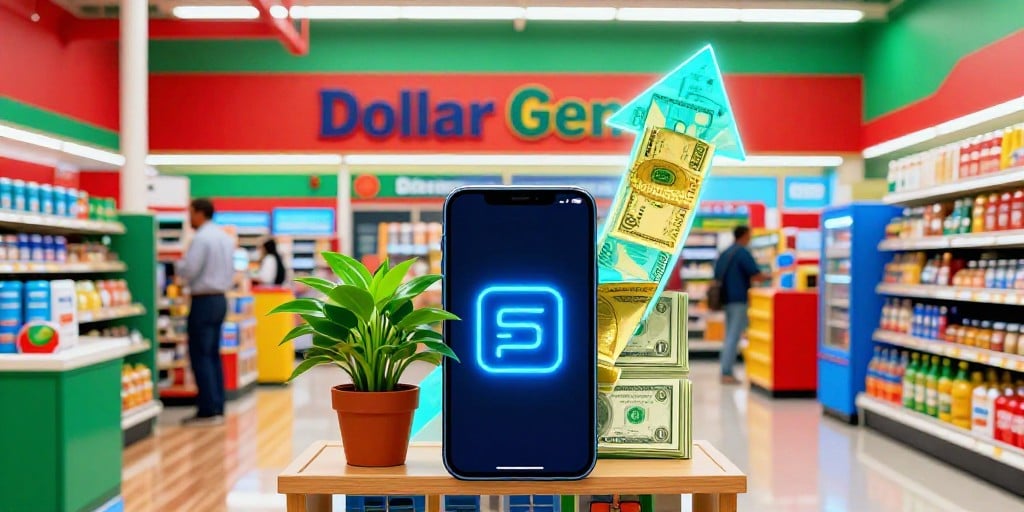
The firm’s recent launch of a proprietary mobile app, coupled with data‑driven inventory management, reflects an industry trend: the convergence of low‑cost retail and digital convenience. Investors recognize that this fusion reduces operational costs while expanding reach, thereby enhancing margins in a space traditionally pressured by price sensitivity.
Demographic Shifts and Spending Patterns
The retail environment is being reshaped by three key demographic forces:
- Millennial Value‑Seekers – Millennials now control a significant portion of household income. Their preference for value and experiential shopping aligns with Dollar General’s product mix, which blends essentials with seasonal and gift items.
- Older Baby Boomers on Fixed Incomes – This cohort increasingly seeks convenient, affordable options for everyday purchases, a niche that Dollar General serves with its broad assortment and widespread locations.
- Gen Z’s “Experience‑First” Mindset – Though Gen Z shoppers are still price‑sensitive, they also value digital engagement. Dollar General’s app and loyalty program cater to this generation’s expectation for seamless, tech‑enabled shopping experiences.
These groups collectively generate robust foot traffic and online orders, creating a stable revenue base that investors find attractive, especially in uncertain economic climates.
Cultural Movements and Consumer Expectations
The current cultural zeitgeist emphasizes sustainability, local sourcing, and ethical consumption. Dollar General has begun to incorporate “green” product lines and community‑partnered initiatives, which resonate with consumers who prioritize environmental responsibility even at lower price points. By aligning its brand with these values, the retailer expands its appeal beyond pure price comparison to include lifestyle alignment—a critical differentiator in an era of heightened brand scrutiny.
Market Opportunities for Investors
- Seasonal and Promotional Cycles – Dollar General’s robust inventory and flexible supply chain enable rapid response to holiday spikes and discount cycles, providing predictable earnings boosts.
- Expansion into Untapped Markets – The firm’s strategy of entering high‑density, underserved communities offers a growth vector that aligns with urbanization trends and demographic shifts.
- Data‑Driven Upselling – Leveraging in‑store and online data analytics, Dollar General can cross‑sell complementary goods, thereby increasing average transaction values—a tactic that investors see as a margin enhancer.
- Digital Ecosystem Partnerships – Collaborations with e‑commerce giants and fintech providers could position Dollar General as a distribution hub, tapping into new revenue streams beyond traditional retail.
Forward‑Looking Outlook
As societal changes continue to reshape how consumers shop, Dollar General’s blend of low‑price accessibility, digital innovation, and demographic targeting positions it well for sustained growth. Investors monitoring the intersection of digital transformation and physical retail will find the company’s strategic initiatives and market presence to be a compelling case study in resilient, adaptable retail business models.