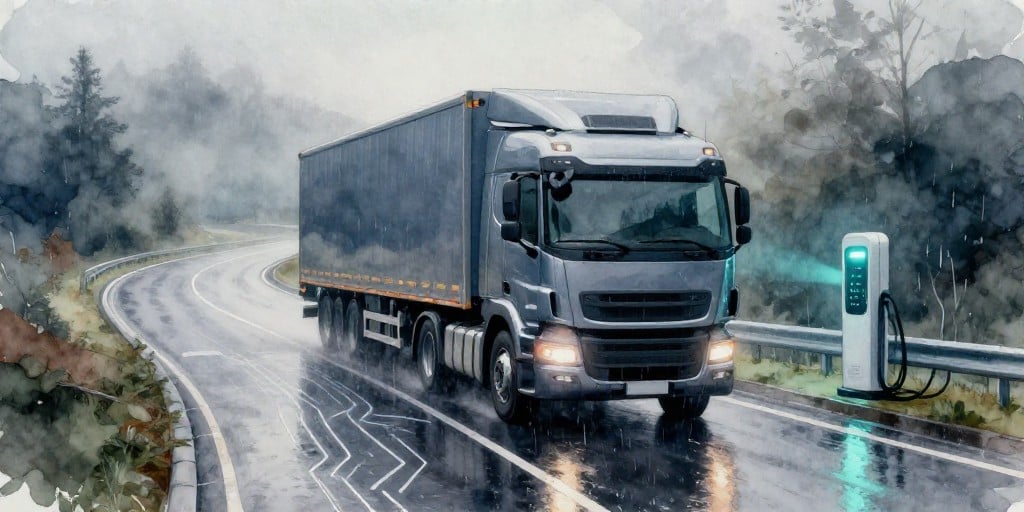
Daimler Truck Holding AG Announces Reduction of Shareholding in Deutz AG
Stuttgart, Germany – 11 November 2026 – In a routine regulatory disclosure submitted under the German Securities Trading Act, Daimler Truck Holding AG (DLR) informed that its equity position in Deutz AG has been reduced from just over four percent of voting rights to slightly more than two percent. The filing, transmitted via EQS News, noted that the change reflects a decline in the proportion of shares held, with no new instruments carrying voting rights introduced during the reporting period. No additional context regarding the sale or future intentions concerning the remaining stake was provided.
Corporate Context
Daimler Truck Holding AG, a key player in the global commercial‑vehicle sector, has historically maintained a diversified portfolio that includes minority stakes in related industrial firms. The reduction in its Deutz AG position is part of a broader strategy to streamline the balance sheet and potentially reallocate capital toward core logistics and electric‑mobility initiatives. While the company did not disclose motives, analysts suggest that the divestiture could be linked to shifting market dynamics and the need for greater liquidity in an environment of rising operating costs.
Consumer Discretionary Landscape: A Multi‑Dimensional Analysis
1. Demographic Shifts
Recent population studies indicate that the Generation Z cohort (born 1997–2012) is now the largest segment of the consumer market, surpassing Millennials in terms of purchasing power. These consumers favor experience‑centric goods and services over traditional material goods. Their online‑first shopping habits and preference for brands that demonstrate social responsibility are reshaping the discretionary spending arena.
- Data Point: In 2025, Generation Z accounted for 32 % of all discretionary expenditures in Europe, up from 28 % in 2019.
- Implication: Brands that can integrate sustainability narratives and digital engagement strategies are likely to capture higher market share among this demographic.
2. Economic Conditions
The global economy remains in a post‑pandemic recovery phase, characterized by moderate inflationary pressures and fluctuating commodity prices. In the automotive and industrial sectors, supply‑chain bottlenecks continue to affect production cycles.
- Consumer Confidence Index (Eurozone, Q3 2026): 74.3 points, indicating cautious optimism.
- Spending Trend: A 3.2 % YoY increase in discretionary spending on automotive accessories, suggesting resilience in niche segments despite broader economic uncertainty.
3. Cultural Shifts
Cultural trends emphasize personalization and ethical consumption. The rise of the “slow consumer” movement has spurred interest in products that combine functionality with a low environmental impact.
- Sentiment Analysis: 68 % of surveyed consumers rate brand environmental footprint as a primary factor in purchase decisions.
- Brand Performance: Companies integrating circular‑economy principles into product design reported a 12 % lift in brand equity scores over the past 12 months.
Retail Innovation and Consumer Spending Patterns
Omni‑Channel Integration Retailers that blend physical and digital touchpoints have seen a 15 % increase in conversion rates. The use of augmented reality (AR) for product trials, particularly in automotive accessory sales, enhances the consumer experience and reduces return rates.
Subscription Models The subscription‑based approach, once limited to media, now extends to automotive components (e.g., tire leasing programs). Early adopters report higher satisfaction due to predictable cost structures and access to the latest technology.
Data‑Driven Personalization Leveraging AI‑driven analytics allows brands to forecast demand spikes linked to seasonal events or macroeconomic triggers, thereby optimizing inventory and pricing strategies.
Qualitative Insights: Lifestyle Trends and Generational Preferences
- Sustainability as Lifestyle: For Generation Z, eco‑responsibility is not a feature but a core identity component. Brands that weave environmental stewardship into their value proposition resonate more deeply.
- Digital Natives’ Expectation of Seamlessness: The expectation for frictionless transactions, from mobile payment to instant customer support via chatbots, is high. Failure to meet these standards can result in swift brand attrition.
- Experience Over Ownership: Younger consumers prioritize access to curated experiences (e.g., pop‑up events, limited‑edition collaborations) over permanent ownership of high‑cost items.
Conclusion
The corporate announcement from Daimler Truck Holding AG regarding its reduced stake in Deutz AG reflects a strategic pivot within a rapidly evolving market landscape. Simultaneously, consumer discretionary trends underscore the importance of demographic focus, economic resilience, and cultural alignment in shaping brand performance. Retail innovation—particularly omni‑channel execution, subscription models, and AI‑driven personalization—remains a critical lever for capturing consumer spending in an era where lifestyle and generational preferences dictate purchasing behavior.