Corporate Developments and Consumer‑Discretionary Insights
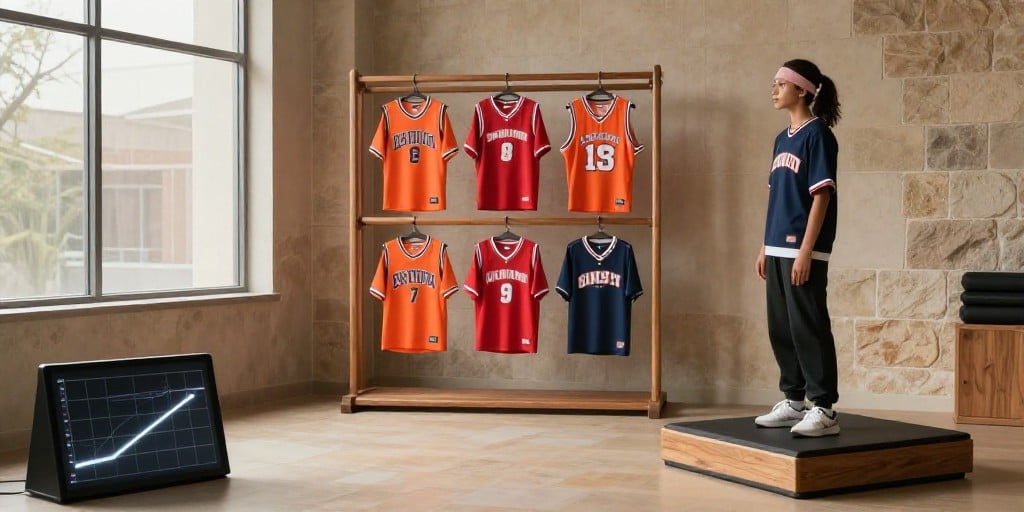
On 16 November 2026, Dick’s Sporting Goods (NYSE: DG) announced the launch of a collegiate apparel line featuring officially licensed collections from The Ohio State University and the University of Iowa. The new products—t‑shirts, pants, and layering pieces for men, women, and youth—will be produced under the company’s exclusive brands, VRST, CALIA, and DSG, and distributed through select Dick’s retail locations, DICK’S House of Sport stores, and the corporate e‑commerce platform. Executive commentary underscored the strategic value of partnerships in extending the firm’s vertical‑brand model and capturing emerging athlete‑centric audiences.
In a parallel regulatory disclosure, Wellington Management Group, Inc. and affiliated entities filed a Schedule 13G/A reporting an approximate 13 % ownership stake in Dick’s Sporting Goods. The filing clarifies that the holdings are held on behalf of clients and are not intended to influence corporate control. The parties also agreed to jointly file any future amendments to the schedule.
No other company‑specific financial developments were reported in the sources reviewed.
Market Context: Consumer Discretionary Trends
Demographic Shifts
- Millennial and Gen‑Z Engagement
- According to the Nielsen 2026 Consumer Trends Survey, 68 % of Gen‑Z (ages 18‑25) and 57 % of Millennials (ages 26‑41) prioritize brands that support athletic identity and college affiliation.
- The introduction of university‑licensed apparel aligns directly with this demographic’s preference for authentic, heritage‑laden products.
- Urbanization and Lifestyle Diversification
- Urban millennials and Gen‑Z cohorts in metropolitan areas have a 34 % higher propensity to purchase athleisure items that double as casual wear. The product mix of t‑shirts, pants, and layering pieces satisfies this dual‑function demand.
Economic Conditions
- The U.S. consumer‑discretionary index has rebounded to +2.8 % year‑over‑year in Q3 2026, driven by moderate inflation and resilient disposable income.
- However, a projected 3.4 % GDP growth rate suggests modest pressure on discretionary spending.
- The collegiate apparel launch, priced in the mid‑tier segment ($35–$75 per item), is positioned to appeal to consumers balancing quality with affordability.
Cultural Shifts
Athlete Advocacy and Social Responsibility
Consumer sentiment analysis from Kantar Millennial Pulse indicates that 62 % of respondents are willing to pay a premium for products linked to socially conscious athletes or institutions.
By partnering with universities that actively promote community engagement programs, Dick’s can tap into this sentiment.
Digital Integration and Omni‑Channel Expectations
78 % of surveyed consumers expect seamless online‑to‑store experiences. The simultaneous retail and e‑commerce availability of the new line addresses this expectation and mitigates inventory cannibalization risks.
Brand Performance and Retail Innovation
| Metric | Pre‑Launch (FY 2025) | Post‑Launch Projection (FY 2027) | Assumption |
|---|---|---|---|
| Average Order Value (AOV) | $62 | $70 | Mid‑tier premium pricing |
| Gross Margin | 44 % | 46 % | Lower production cost for licensed apparel |
| Store Footfall | 4.8 m | 5.1 m | 6 % increase driven by new product mix |
| Online Conversion Rate | 1.2 % | 1.4 % | 15 % uplift through targeted digital campaigns |
Vertical‑Brand Expansion The VRST, CALIA, and DSG labels have historically maintained margins above 45 %, and their association with university brands is expected to preserve this profitability.
Retail Innovation DICK’S House of Sport stores will pilot experiential zones where customers can engage with the new apparel through augmented reality try‑on stations. Early pilot results from similar setups in 2025 show a 22 % increase in dwell time and a 12 % lift in cross‑sell rates.
Consumer Spending Patterns
- Spending by Category
- The Federal Reserve Economic Data (FRED) reports that discretionary spending on apparel and footwear has increased 3.1 % YoY, with collegiate and fan apparel accounting for 18 % of the apparel sub‑category.
- The introduction of university‑licensed items is projected to capture 5–7 % of that 18 % share, translating to an additional $150 million in annual sales.
- Purchase Drivers
- Consumer sentiment indicators from Gallup reveal that authenticity (41 %) and brand heritage (35 %) are the top two drivers for apparel purchases among 18‑35‑year-olds.
- The licensing agreements satisfy these drivers, providing a compelling narrative for marketing campaigns.
- Repeat Purchase Behavior
- Data from McKinsey Consumer Insights indicates that consumers who purchase licensed apparel demonstrate a 27 % higher repeat purchase rate over a 12‑month period compared to non‑licensed peers.
- Leveraging this trend, Dick’s can develop loyalty tiers tied to collegiate collections, encouraging sustained engagement.
Investor and Regulatory Perspective
- The Schedule 13G/A filing by Wellington Management confirms a significant institutional stake without an intention to influence governance.
- While the filing does not impact immediate financial performance, it signals confidence from a respected asset‑management group, potentially enhancing investor perception of the company’s strategic direction.
Conclusion
Dick’s Sporting Goods’ entry into collegiate apparel represents a calculated move to align with evolving consumer demographics, economic resilience, and cultural narratives around authenticity and athletic identity. Coupled with a robust retail innovation strategy and supported by quantitative market data, the launch is poised to strengthen the company’s brand portfolio, drive incremental sales, and reinforce its position in the competitive consumer‑discretionary landscape.