
Corporate News
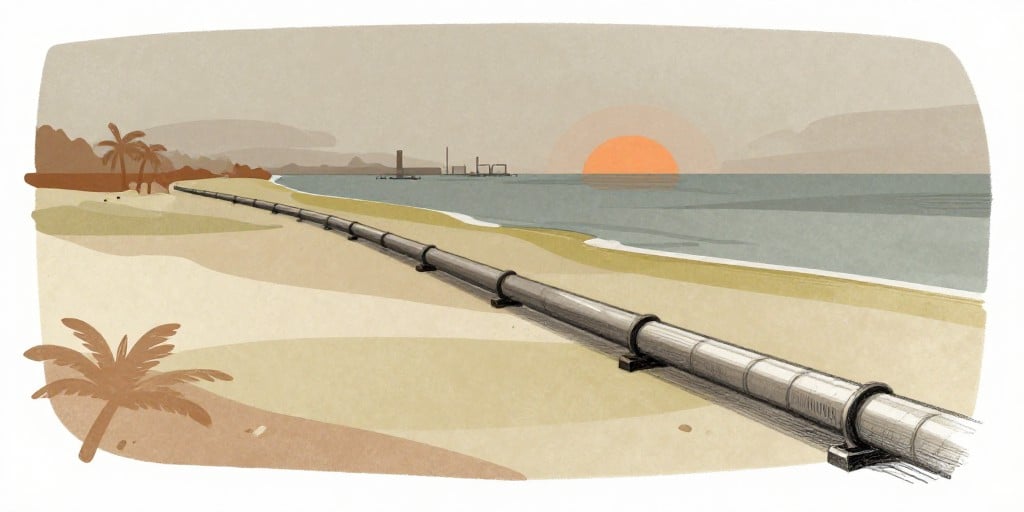
Devon Energy Corp. (NYSE: DVN) confirmed on 17 August 2026 that it has secured a final investment decision for the Solitude Pipeline System, a joint venture that will construct two 48‑inch natural‑gas pipelines linking the Permian Basin to Katy, Texas. The venture, involving WhiteWater Energy, MPLX Energy, Diamondback Energy and Western Midstream Partners, will deliver an initial capacity of roughly 2.25 billion cubic feet per day (bcf/d) beginning in the second half of 2029, with a second phase of comparable scale slated for 2030. The design allows for subsequent expansion to accommodate future demand.
Strategic Context
Devon’s investment aligns with its broader objective of integrating its Delaware Basin operations and transforming physical constraints into sustainable margins. By securing firm, long‑haul transport to the Gulf Coast, the company intends to shift a larger share of its gas off the volatile Waha hub and onto markets that will be fed by expanding liquefied natural‑gas (LNG) exports and power‑generation demand. Devon has already begun negotiating international LNG‑linked pricing agreements that would bring additional volumes under its control in 2027 and 2028.
The joint‑venture structure allocates a 25 % equity interest to Devon, with WhiteWater holding the majority stake. The phased construction approach provides flexibility, enabling capacity to be ramped up or slowed in line with market conditions. Nonetheless, regulatory approval remains required before the project can be commissioned.
Market Impact
The announcement was reflected in the broader market, as Devon was among the energy stocks that contributed to the S&P 500’s top‑performing sector on the day. Rising oil prices benefited producers and refiners, underscoring the interdependence between upstream production and downstream markets. Analysts view Devon’s move into pipeline infrastructure as a continuation of its disciplined, cash‑generating model that emphasizes controlled growth and resilient free cash flow.
Conclusion
By establishing a robust transport corridor to the Gulf Coast, Devon positions itself to capture higher‑margin gas sales and to better align its operations with the global shift toward LNG and power‑generation markets. The joint‑venture structure, phased implementation, and focus on regulatory compliance demonstrate a methodical approach to expanding infrastructure while maintaining financial discipline.