Corporate News Analysis
Strategic Partnership with Cloudflare
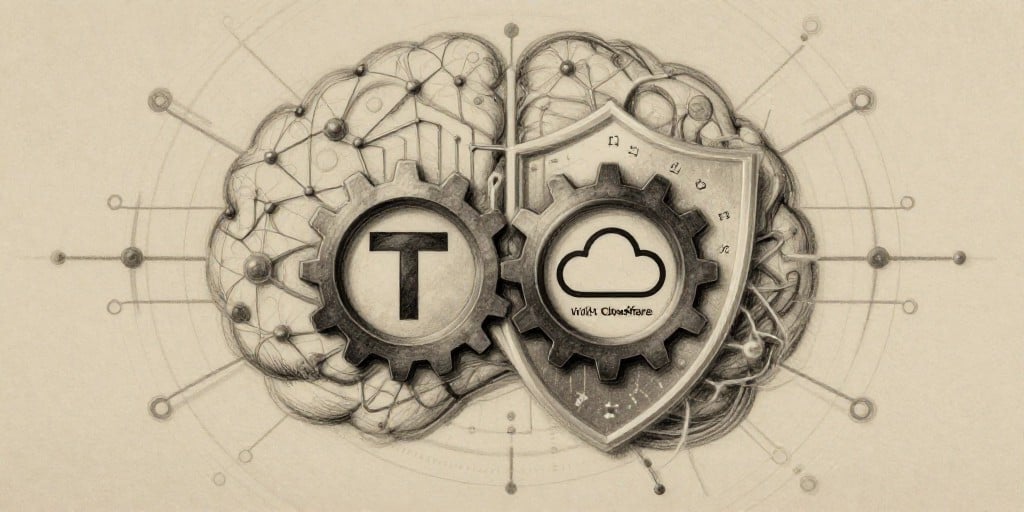
In late September, Deutsche Telekom AG (DTAG) announced a collaboration with Cloudflare, the cloud‑security specialist, to reinforce its European network infrastructure. The alliance will embed Cloudflare’s global platform within DTAG’s T‑Systems unit, a move designed to improve digital resilience and address the escalating security needs of critical data. By integrating Cloudflare’s edge‑computing and DDoS‑mitigation capabilities, DTAG can reduce latency for its European customers while strengthening its competitive positioning against other telecom incumbents such as Vodafone and Telefonica.
The partnership aligns with broader industry trends in which traditional network operators are shifting from a purely connectivity focus to a services‑oriented model. The infusion of Cloudflare’s technology also positions DTAG to better serve the burgeoning market for secure cloud migration, a segment projected to grow at a compound annual growth rate of 12 % over the next decade.
AI‑Focused Investor Day
Simultaneously, the company hosted a “KI‑Investorentag” (AI Investor Day) that underscored its dedication to artificial‑intelligence development. The event highlighted several initiatives, including the expansion of AI‑driven network optimization tools and the launch of a new AI‑platform tailored to enterprise clients. By foregrounding AI capabilities, DTAG aims to capture value from the digital‑economy wave, positioning itself as a pivotal player in the transformation of telecommunications into a data‑centric industry.
This AI push is consistent with the sector’s broader shift toward automation and predictive analytics. Competitors such as Telefonica and BT are also investing heavily in AI, but DTAG’s early entry could afford it a first‑mover advantage in key verticals such as financial services and healthcare, where secure data handling is paramount.
EU Regulatory Developments
The European Commission’s extension of the phase‑out period for high‑risk equipment, primarily from Huawei, has significant implications for DTAG. The company has acknowledged that Huawei supplies equipment in several of its markets, and the extended deadline could entail replacement costs estimated at up to €40 billion. Such a cost burden could strain DTAG’s capital allocation strategy, especially as it balances investment in 5G and emerging 6G technologies.
Regulatory compliance remains a critical lever for DTAG’s long‑term sustainability. While the extended deadline offers a brief reprieve, it also signals that the European Union is committed to tightening its cybersecurity standards. Companies that fail to adapt could face penalties or lose access to lucrative public‑sector contracts, a risk that DTAG must manage proactively.
Market Reaction
Stock activity mirrored the company’s mixed outlook. Shares traded slightly higher on the XETRA exchange, reflecting investor confidence in DTAG’s strategic initiatives. The overall German index recorded a modest gain for the week, suggesting that market participants are cautiously optimistic. Analysts note that while the company’s focus on network security, AI, and regulatory compliance supports a positive valuation narrative, broader economic variables—such as inflationary pressures and geopolitical tensions—continue to influence the firm’s stock performance.
Conclusion
Deutsche Telekom’s recent moves—partnering with Cloudflare, advancing AI capabilities, and navigating EU regulatory mandates—illustrate a deliberate strategy to maintain relevance in a rapidly evolving digital economy. By investing in secure infrastructure and emerging technologies, the company is positioning itself to capture value across multiple sectors. Nevertheless, the €40 billion potential replacement cost, coupled with volatile market conditions, underscores the need for disciplined capital management and ongoing compliance oversight.