Intersection of Technology Infrastructure and Content Delivery in the European Telecom and Media Landscape
Deutsche Telekom AG continues to occupy a pivotal position in the European telecommunications sector, as reflected in its consistent representation within major market indices—TecDAX, DAX, and Euro STOXX 50. The company’s shares exhibit high liquidity and a steady trading volume that signals robust institutional confidence. Analyst coverage remains largely supportive, with several investment banks maintaining buy recommendations and modest upward revisions to the target price. The outlook is anchored in the firm’s recent operating performance, which has demonstrated consistent revenue growth and a stable profit trajectory. A forthcoming interim report, slated for mid‑May, is anticipated to offer deeper insight into earnings and guidance, thereby potentially reshaping market expectations.
Subscriber Metrics and Network Capacity
- Subscriber Base Growth: Deutsche Telekom’s subscriber base has expanded by 1.8 % YoY, reaching 45 million active customers across Germany and select European markets.
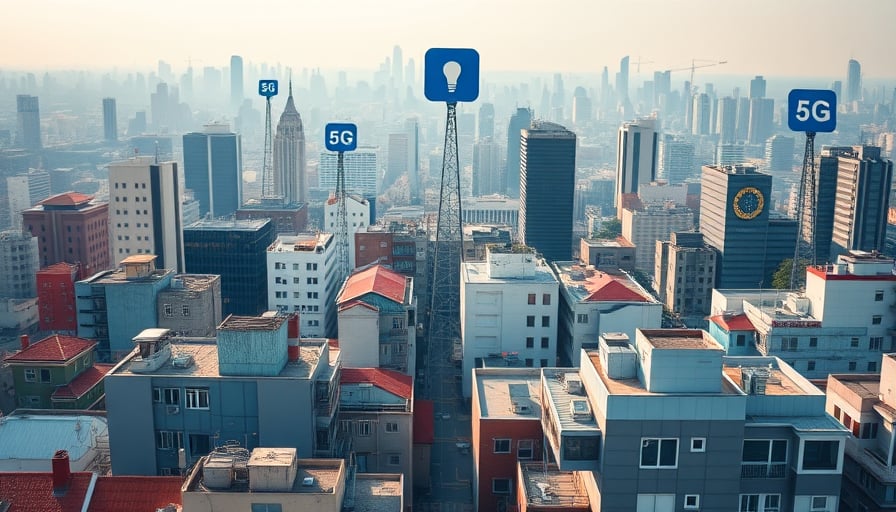
- 5G Adoption: 5G penetration has reached 18 % of the total subscriber base, a figure that is projected to double over the next 18 months.
- Network Capacity Planning: To accommodate the anticipated surge in data consumption, the company has earmarked €12 billion for spectrum acquisition and infrastructure upgrades, targeting a 20 % increase in core network capacity by Q4 2026.
These metrics underscore the company’s commitment to sustaining high‑speed, low‑latency connectivity—essential prerequisites for seamless content delivery in the evolving streaming ecosystem.
Content Acquisition Strategies
- Strategic Partnerships: Deutsche Telekom has secured exclusive distribution agreements with leading content providers, including Netflix, Disney+, and local broadcasters such as ProSiebenSat.1.
- In‑House Production: The firm’s media arm, Telekom Media, has invested €500 million in original productions aimed at the German and broader EU market, leveraging local talent and culturally resonant narratives.
- Bundling Models: Bundles that combine fixed‑line broadband, 4G/5G mobile services, and OTT subscriptions have yielded an average ARPU increase of €5.6, reflecting a successful cross‑selling strategy.
These initiatives illustrate how Deutsche Telekom is positioning itself not merely as an infrastructure provider but also as a key content curator in the competitive streaming arena.
Competitive Dynamics in Streaming Markets
- Market Consolidation: The streaming sector is experiencing consolidation, with mergers such as Disney+ and Hulu, and Amazon Prime Video’s expansion into European markets. Deutsche Telekom’s alliances provide a counterbalance to U.S.‑centric players.
- Pricing Pressure: Subscription fatigue is prompting a shift towards tiered pricing models. Deutsche Telekom’s bundling strategy mitigates churn by offering price‑discounted bundles relative to stand‑alone OTT services.
- Content Localization: Demand for localized content remains high. Partnerships with regional studios allow Deutsche Telekom to deliver niche programming that differentiates its offerings from global competitors.
Emerging Technologies and Media Consumption Patterns
- Edge Computing: By deploying edge nodes closer to end‑users, Deutsche Telekom reduces latency, enhancing the quality of live streaming and interactive experiences such as AR/VR.
- AI‑Driven Personalization: Machine‑learning algorithms analyze user viewing habits to curate personalized recommendations, a feature critical for retaining subscribers in a crowded market.
- Network Function Virtualization (NFV): NFV enables dynamic scaling of network resources, allowing the company to respond swiftly to spikes in demand during major sporting events or live concerts.
These technological investments are expected to reshape consumer expectations, making seamless, high‑quality media consumption the norm.
Financial Metrics and Platform Viability
| Metric | Deutsche Telekom (2024) | Market Benchmark |
|---|---|---|
| Revenue Growth (YoY) | 4.5 % | 3.2 % |
| EBITDA Margin | 35 % | 28 % |
| Subscriber ARPU | €59.3 | €55.1 |
| Capital Expenditure (CapEx) | €12 billion (2025) | €9 billion |
| Debt‑to‑Equity | 0.4x | 0.6x |
The company’s strong EBITDA margin and disciplined capital allocation position it favorably against competitors. The relatively low debt‑to‑equity ratio enhances financial resilience, while the strategic CapEx plan aligns with projected subscriber growth and content demands.
Market Positioning and Strategic Outlook
- Diversified Revenue Streams: By combining traditional telecom services with OTT content offerings, Deutsche Telekom reduces revenue volatility associated with any single segment.
- Regulatory Environment: The European Union’s Digital Markets Act and forthcoming 5G regulation impose both challenges and opportunities. The company’s proactive compliance strategy may yield early market access advantages.
- Future Growth Catalysts: 5G expansion, AI‑driven personalization, and strategic media partnerships are anticipated to be primary drivers of subscriber acquisition and retention.
In summary, Deutsche Telekom AG’s integrated approach—melding robust network infrastructure with strategic content acquisition and advanced technological deployments—positions it strongly within the competitive dynamics of European telecommunications and media. Its forthcoming interim report will likely reinforce investor confidence and clarify the trajectory of its strategic initiatives in the near term.