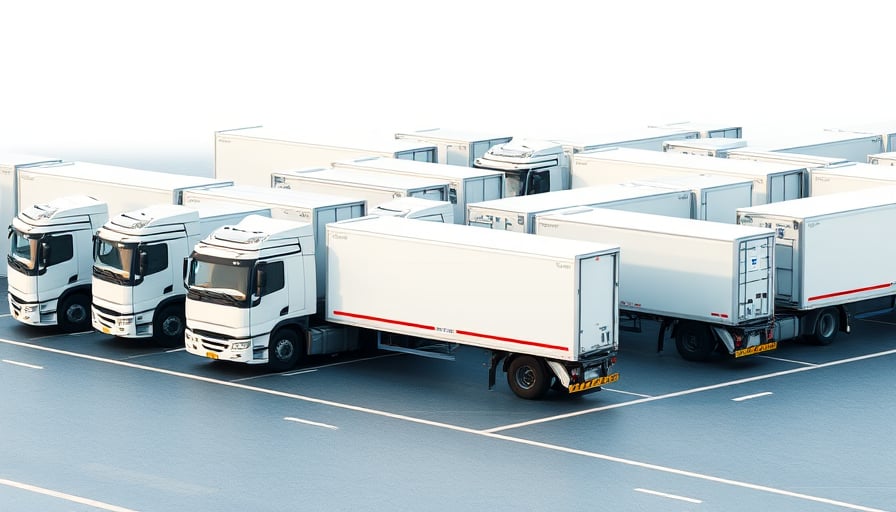
Deutsche Post AG Expands Footprint in Asian E‑commerce and Pharmaceutical Logistics
Deutsche Post AG, the German logistics conglomerate traded on Xetra, has unveiled two strategic initiatives that signal a shift toward high‑margin, high‑complexity segments. By partnering with China’s JD.com and deepening its focus on pharmaceutical logistics, the company aims to broaden its global reach and secure a foothold in sectors that demand sophisticated supply‑chain capabilities.
1. Joint Venture with JD.com: Unlocking Chinese Retail for European Brands
The collaboration centers on JD.com’s Cross‑Border platform, a channel that facilitates direct shipment of European goods to Chinese consumers without the need for a local subsidiary. While the partnership offers a clear shortcut into one of the world’s largest e‑commerce markets, several underexplored dynamics deserve scrutiny.
1.1. Market Entry Barriers and Regulatory Landscape
China’s regulatory framework for cross‑border e‑commerce has evolved rapidly, with the “Double 12” and “Double 11” sales events creating high‑volume windows for international brands. However, recent policy shifts—particularly the tightening of customs inspection protocols and the introduction of new data‑protection regulations—could impact the speed and cost of deliveries. Deutsche Post must navigate these hurdles while maintaining the end‑to‑end visibility promised to its partners.
1.2. Competitive Dynamics
JD.com is already a dominant player in China, boasting a logistics network that rivals domestic giants like Cainiao. Deutsche Post’s entry is likely to intensify competition with established freight forwarders such as UPS, FedEx, and DHL, all of whom have similar cross‑border arrangements. The key differentiator will be the integration of Deutsche Post’s European network with JD’s on‑the‑ground capabilities. Yet, the partnership’s success hinges on its ability to offer cost‑competitive rates without compromising service levels—an area where incumbents already possess economies of scale.
1.3. Potential Risks
- Geopolitical Tensions: Trade disputes between the EU and China could lead to sudden tariff changes or export controls that disrupt cross‑border flows.
- Technology Integration: Seamless integration of tracking systems across two vastly different IT ecosystems is non‑trivial and could expose the partnership to data‑privacy risks.
- Market Volatility: The Chinese consumer market is subject to rapid shifts in consumer sentiment and regulatory oversight, potentially eroding the expected volume of EU imports.
1.4. Opportunities
- First‑Mover Advantage in Specialized Services: By offering integrated end‑to‑end solutions—customs brokerage, last‑mile delivery, and reverse logistics—Deutsche Post could carve out a niche in the increasingly sophisticated Chinese marketplace.
- Data Analytics Synergies: Leveraging JD.com’s consumer‑behavior data can help Deutsche Post optimize routes and inventory forecasting for European brands.
2. Deepening Pharmaceutical Logistics Capabilities
Deutsche Post is also bolstering its freight capacity to serve the pharmaceutical sector, a segment that has become a linchpin of modern global supply chains. This move reflects a strategic bet on a high‑margin industry that demands rigorous compliance and reliability.
2.1. Industry Context
The pharmaceutical supply chain has become a high‑security, highly regulated environment, with temperature‑controlled transport, traceability, and anti‑counterfeiting measures as mandatory. The market is projected to grow at a CAGR of 5.2% through 2030, driven by aging populations and the expansion of biologics.
2.2. Operational Requirements
- Cold Chain Infrastructure: Deutsche Post will need to invest in refrigerated containers and temperature‑controlled warehouses.
- Regulatory Compliance: Compliance with EU directives such as the EU Medical Device Regulation and the UK’s Medicines and Healthcare products Regulatory Agency (MHRA) guidelines is mandatory.
- Digital Tracking: Blockchain or other immutable ledger solutions are increasingly being deployed to guarantee product integrity.
2.3. Competitive Landscape
Major players like DHL, FedEx, and UPS already command a significant share of the pharma logistics market. Deutsche Post’s challenge lies in matching or surpassing the service level while managing cost. Its current strengths—an extensive European network and robust customs brokerage—may provide a competitive edge if leveraged effectively.
2.4. Risks
- Capital Expenditure: The upfront cost of building or leasing temperature‑controlled capacity could strain cash flows.
- Regulatory Penalties: Any breach in compliance—such as a temperature deviation—can result in hefty fines and reputational damage.
- Supply‑Chain Disruptions: The COVID‑19 pandemic exposed vulnerabilities in global pharma logistics; future disruptions (e.g., natural disasters, political instability) could still impact operations.
2.5. Opportunities
- Vertical Integration: By expanding freight capacity, Deutsche Post could move into warehousing and last‑mile delivery for pharma, capturing a larger share of the value chain.
- Technology Partnerships: Collaborations with tech firms specializing in IoT sensors and AI‑driven route optimization could enhance reliability and reduce operating costs.
3. Strategic Implications for Deutsche Post’s Market Position
The dual focus on e‑commerce in Asia and pharmaceutical logistics in Europe underscores Deutsche Post’s intent to diversify its revenue streams into segments that offer resilience against macro‑economic shocks. The company’s strategy aligns with broader industry trends: a shift toward specialization, integration of digital solutions, and the pursuit of higher‑margin services.
Financial Outlook Projected revenue gains from the JD.com partnership are modest in the short term—estimated at €150 million annually by 2025—yet they could accelerate if European brands aggressively target the Chinese market. The pharmaceutical logistics expansion is expected to contribute an additional €200 million in operating income over the next five years, given the sector’s premium pricing.
Investor Perspective While these initiatives promise growth, investors should monitor the execution risk associated with regulatory compliance, technology integration, and geopolitical developments. Deutsche Post’s debt‑to‑equity ratio remains comfortably within industry norms, but the capital intensity of the pharma logistics expansion may require additional financing, potentially diluting shareholder value if not managed prudently.
4. Conclusion
Deutsche Post AG’s latest strategic moves into the JD.com cross‑border platform and specialized pharmaceutical logistics signal a deliberate pivot toward high‑value, high‑complexity services. The company’s ability to navigate regulatory landscapes, integrate disparate technology systems, and compete with entrenched incumbents will determine whether these initiatives translate into sustainable competitive advantage. As the logistics industry continues to evolve, Deutsche Post’s willingness to interrogate conventional wisdom—by seeking out overlooked opportunities and rigorously assessing underlying risks—will be a key determinant of its long‑term success.