
Overview
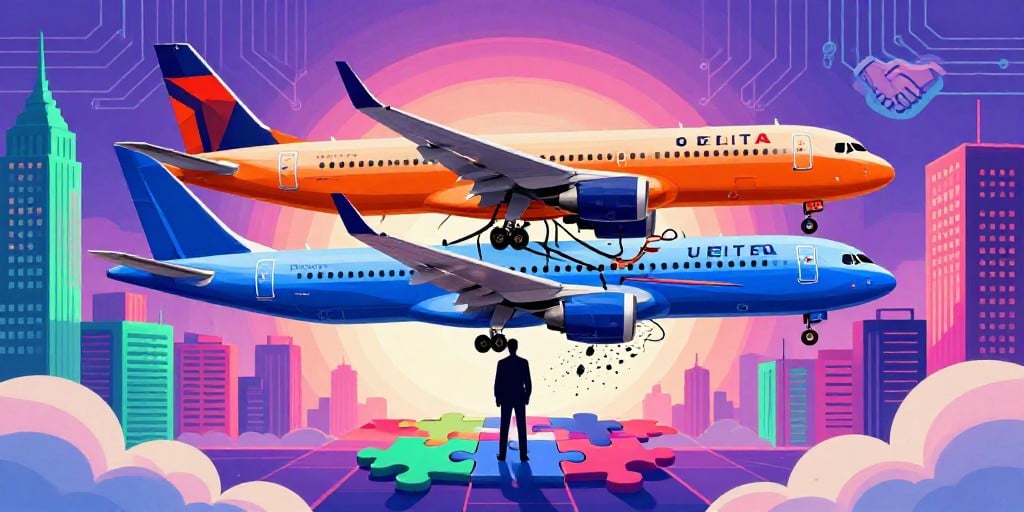
Delta Air Lines and United Airlines entered a brief exploratory phase in which the two carriers considered a merger that could have reshaped the U.S. aviation landscape. Although the talks did not advance beyond a preliminary assessment, the episode illustrates the complex interplay of regulatory scrutiny, operational integration, and strategic alignment that governs consolidation attempts among major airlines. The discussion also highlights broader economic pressures that continue to shape the industry, such as fluctuating fuel costs, labor market dynamics, and evolving consumer expectations for connectivity and service.
Negotiation Context
| Item | Details |
|---|---|
| Initiation | United Airlines approached Delta in the previous calendar year. |
| Delta’s Response | Delta’s leadership conducted a preliminary review, evaluating potential synergies and risks. |
| Outcome | Both parties abandoned the proposal after the initial assessment. |
| Primary Reasons | Regulatory antitrust concerns and logistical challenges inherent to merging two of the largest U.S. carriers. |
Regulatory Landscape
Antitrust Considerations
- Market Share Thresholds: A combined entity would exceed 30% of U.S. domestic passenger traffic, raising red flags under the Department of Justice’s horizontal merger guidelines.
- Route Overlap: Extensive overlap on major hubs could reduce competitive pressure, potentially leading to higher fares or reduced service quality.
Competition Authority Involvement
- Federal Aviation Administration (FAA): Must assess the safety and operational implications of merging maintenance and training programs.
- U.S. Department of Transportation (DOT): Evaluates consumer impact and fare structures, often requiring concessions such as divestiture of certain routes or slots.
Operational Integration Challenges
| Domain | Potential Hurdles |
|---|---|
| Fleet Compatibility | Delta operates a mixed fleet of Airbus and Boeing aircraft; United’s fleet composition differs, necessitating extensive training and parts inventory alignment. |
| Reservation Systems | Integration of SABRE (Delta) and Amadeus (United) systems would require significant IT investment and downtime risk mitigation. |
| Labor Agreements | Separate collective bargaining units and union structures would need harmonization, a process historically fraught with legal disputes. |
| Network Planning | Aligning hub-and-spoke networks and slot allocations at congested airports (e.g., Atlanta, Chicago, Washington D.C.) would require intricate coordination. |
Strategic Positioning
Delta Air Lines
- Current Focus: Strengthening its existing route network, expanding premium cabin offerings, and enhancing ancillary revenue streams.
- Growth Drivers: Investments in data analytics for personalized services and sustainable aviation fuel (SAF) procurement.
United Airlines
- Alternative Initiatives: Pursuing partnership models (e.g., codeshares, joint ventures) and exploring non-U.S. expansion opportunities to diversify revenue.
Broader Economic Implications
- Fuel Cost Volatility: Consolidation could provide economies of scale for hedging strategies but also amplify exposure to market swings.
- Labor Market Tightness: Mergers often trigger workforce realignment; a combined carrier may need to negotiate new collective bargaining agreements, impacting labor costs and operational flexibility.
- Consumer Demand Shifts: The post-pandemic era has seen a surge in business travel and a redefinition of leisure travel patterns, influencing route viability and pricing strategies.
- Technological Adoption: Unified investment in digital transformation (e.g., contactless check‑in, AI‑driven maintenance) can accelerate cost efficiencies but demands upfront capital outlays.
Cross‑Sector Connections
- Transportation Infrastructure: Similar consolidation debates in rail and freight logistics highlight the importance of regulatory frameworks that balance competition with operational efficiency.
- Technology Services: The airline sector’s reliance on sophisticated IT systems mirrors challenges faced by telecom and banking industries in large‑scale system integrations.
- Environmental Policy: The push for lower carbon footprints in aviation resonates with renewable energy initiatives across manufacturing and transportation, suggesting potential collaborative platforms for SAF development.
Conclusion
The Delta‑United merger talks, though ultimately shelved, underscore the persistent allure of consolidation as a means to achieve scale, operational synergies, and market influence. However, the episode also demonstrates that antitrust scrutiny and integration complexities can outweigh perceived benefits, especially when the parties involved are already industry leaders. As airlines navigate the intertwined pressures of regulation, technology, and economics, strategic flexibility remains paramount. The aviation industry continues to watch closely for future consolidation efforts that may successfully balance these forces while delivering tangible value to stakeholders.