
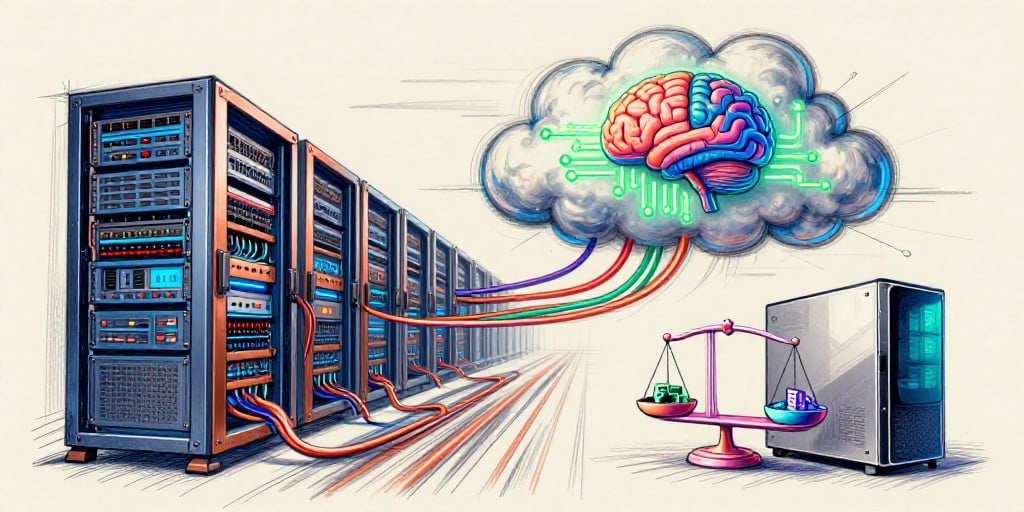
Dell Technologies’ Latest Earnings Cycle: A Balanced View of Core Strengths and Strategic Challenges
Dell Technologies’ most recent quarterly report reflects a company that remains anchored by its traditional hardware business while navigating a complex landscape of emerging technologies and evolving customer expectations. The financial disclosures provide a nuanced picture of both resilience and areas requiring strategic adjustment.
Core Hardware Performance Remains Steady
Dell’s hardware segment—personal computers and servers—continues to demonstrate robustness across enterprise and consumer markets. The company reported consistent demand, driven by ongoing digital transformation initiatives within businesses and a sustained shift toward remote work environments. This stability is underpinned by Dell’s diversified product mix, which allows the firm to absorb fluctuations in specific sub‑categories without jeopardizing overall revenue momentum.
Key takeaways for analysts:
- Revenue Consistency: The hardware division’s revenue growth remained within the upper tier of market expectations, underscoring the firm’s operational resilience.
- Supply Chain Optimization: Dell’s recent investments in supply‑chain flexibility and inventory management have mitigated disruptions that plagued the industry during the pandemic recovery period.
- Margin Preservation: While gross margins in hardware have slightly contracted due to increased component costs, effective pricing strategies and scale have helped maintain profitability levels.
Software and Services: Margins Under Pressure
In contrast, the software and services divisions exhibited signs of margin compression. Competitive pricing pressures, coupled with a broader industry shift toward subscription‑based models, have squeezed profitability. The firm’s leadership acknowledged that refining service offerings is essential to enhance margins, especially as costs associated with cloud and edge computing continue to rise.
Analytical points include:
- Subscription Dynamics: Transitioning from perpetual licensing to recurring revenue streams has introduced price sensitivity among customers, impacting margins.
- Cloud and Edge Costs: Investment in data‑center infrastructure and edge computing capabilities requires significant capital expenditure, which has not yet fully translated into higher service margins.
- Competitive Landscape: Dell faces stiff competition from established cloud providers and emerging software vendors, necessitating differentiated value propositions.
AI and Data‑Center Infrastructure: Long‑Term Growth Horizon
Dell’s ongoing efforts to expand its footprint in artificial intelligence (AI) and data‑center infrastructure are evident through strategic partnerships with key technology vendors. These collaborations aim to bolster Dell’s portfolio of AI‑optimized hardware and associated services.
Observations for stakeholders:
- Portfolio Diversification: By integrating AI‑centric hardware, Dell positions itself to capture a growing segment of high‑performance computing workloads.
- Revenue Impact Lag: Immediate financial benefits from these initiatives are limited, as integration into existing sales channels takes time to mature.
- Strategic Alignment: The focus on AI and cloud infrastructure aligns with broader industry trends toward accelerated digital transformation and high‑efficiency computing.
Strategic Implications and Investor Outlook
Dell Technologies’ recent financial disclosures illustrate a company that balances its foundational hardware strengths with ambitious ventures into services, software, and emerging technologies. The strategic pivot toward AI and cloud infrastructure reflects an industry-wide shift, but execution remains critical.
From an economic perspective:
- Resilience Amid Cyclicality: Hardware demand shows resilience even as broader IT spending cycles fluctuate, suggesting a durable base.
- Margin Management: Successful margin compression in services will be pivotal for sustaining short‑term profitability.
- Transformation Pay‑Off: Long‑term transformation through AI and edge computing is likely to yield significant returns, though it requires sustained investment and careful execution.
In summary, Dell Technologies appears to be navigating a dual strategy—leveraging its established hardware business while incrementally building capabilities in high‑growth technology domains. Analysts and investors will closely monitor the company’s ability to translate these strategic initiatives into tangible financial performance, ensuring that short‑term profitability is not sacrificed for long‑term transformation goals.