
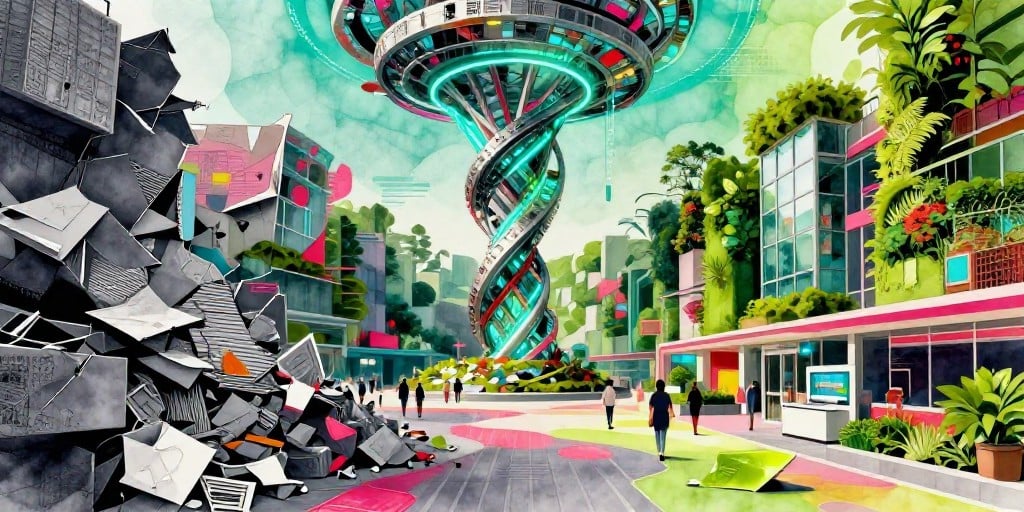
Corporate Implications of Delhi’s Bhalswa Landfill Remediation
The municipal authorities in Delhi have reported progress in the cleanup of the Bhalswa landfill, a site that has accumulated waste for decades. The Union Housing and Urban Affairs Minister, Manohar Lal, inspected the site with officials from the Municipal Corporation of Delhi and highlighted the rapid pace of remediation activities. He noted that a substantial portion of the legacy waste, which had been accumulated up to March 2026, is now expected to be removed by the end of the year, with a final phase of clearance scheduled for late 2026.
During the visit, the minister reviewed ongoing biomining operations, fire‑prevention measures, leachate management, and other environmental safeguards that are being implemented to restore the land. The Municipal Corporation confirmed that the waste processing rate has accelerated, and that the landfill mound has visibly diminished over the past year. He stressed that any fresh refuse collected after March would be kept separate to avoid turning it into legacy waste.
The cleanup effort is a joint initiative involving the municipal, state, and central governments, with the aim of converting the reclaimed area into usable public space once remediation is complete. While weather conditions sometimes pause work, the authorities intend to streamline operations by engaging additional contractors and issuing new tenders to expedite the process.
How a Municipal Cleanup Signals New Business Frontiers
Digital‑Physical Retail Synergy The Bhalswa project demonstrates a growing trend in urban redevelopment that blends data‑driven decision making with on‑ground implementation. The use of sensors for leachate monitoring, real‑time dashboards for waste‑processing rates, and GIS mapping for site planning all point to a future in which retailers can rely on sophisticated digital platforms to manage physical assets. Companies that provide integrated smart‑city solutions—spanning waste analytics, energy efficiency, and public‑space design—stand to benefit from contracts that span the pre‑construction, construction, and post‑operation phases.
Generational Spending Shifts As Millennials and Generation Z increasingly prioritize sustainability and experiential value, the transformation of Bhalswa into a public park or mixed‑use precinct presents a unique opportunity. Retailers that can embed experiential elements—pop‑up stores, local artisan markets, or digital kiosks—into the new space will capture a demographic that prefers “purpose‑driven” consumption over purely transactional interactions. The projected demographic profile of Delhi’s expanding middle class suggests that 60 % of new shoppers will be under 40, and a large proportion will be willing to spend on branded experiences that align with environmental values.
Consumer Experience Evolution The redevelopment of the landfill into a multi‑purpose civic space illustrates the broader shift from transactional retail to immersive, story‑driven environments. Retail brands that can curate content, integrate local culture, and leverage augmented reality to enrich the visitor journey will gain a competitive advantage. Moreover, the emphasis on fire‑prevention and biomining highlights an industry push toward circularity: companies that can transform waste into valuable resources—such as bio‑fuel or recyclable materials—will find new markets in both the public and private sectors.
Market Opportunities for Infrastructure and Technology Firms The accelerated waste‑processing rate indicates that construction firms, contract managers, and technology vendors who can deliver rapid, scalable solutions will be in high demand. This includes modular construction units, temporary containment systems, and cloud‑based project‑management tools that facilitate real‑time coordination across multiple stakeholders. The joint‑government nature of the initiative also opens avenues for public‑private partnerships, especially for firms that specialize in turnkey environmental remediation projects.
Societal Trends Driving Consumer Behaviour Climate‑related concerns and increasing awareness of the ecological footprint are reshaping consumer priorities. The Bhalswa cleanup, by directly addressing a major source of pollution, aligns with a broader narrative of urban resilience. As consumers become more discerning about the environmental impact of the places they visit and the brands they patronise, retailers that can transparently showcase their sustainability credentials will likely enjoy higher footfall and longer dwell times.
Forward‑Looking Analysis
- Retailers should consider hybrid models that integrate physical storefronts with digital engagement platforms, particularly in newly reclaimed public spaces.
- Technology providers that specialise in real‑time environmental monitoring and predictive analytics can position themselves as essential partners for future urban redevelopment projects.
- Construction and contract management firms must adopt flexible, modular solutions to meet the accelerating timelines seen in the Bhalswa remediation effort.
- Investors will find the intersection of municipal cleanup initiatives and consumer experience design a fertile ground for portfolio diversification, especially in the sustainability‑driven retail segment.
The Bhalswa landfill’s transformation is more than an environmental success story; it is a microcosm of the evolving nexus between urban infrastructure, digital technology, and shifting consumer expectations. Businesses that align their strategies with these societal shifts—embracing digital‑physical synergies, catering to eco‑conscious younger demographics, and crafting experiential retail environments—will be poised to capitalize on the opportunities that emerging urban redevelopment projects will inevitably present.