
Dassault Aviation and OHB Advance Europe’s Orbital Transport Ambitions
Project Vortex‑S: A Strategic Response to U.S. Dominance
Dassault Aviation SA, a long‑standing pillar of French aerospace, announced that it will collaborate with German satellite firm OHB to launch a joint spacecraft glider, Vortex‑S, to the European Space Agency (ESA). The partnership is positioned to compete directly with United States‑based orbital transport and logistics providers such as SpaceX’s Cargo Dragon and Boeing’s CST-100 Starliner.
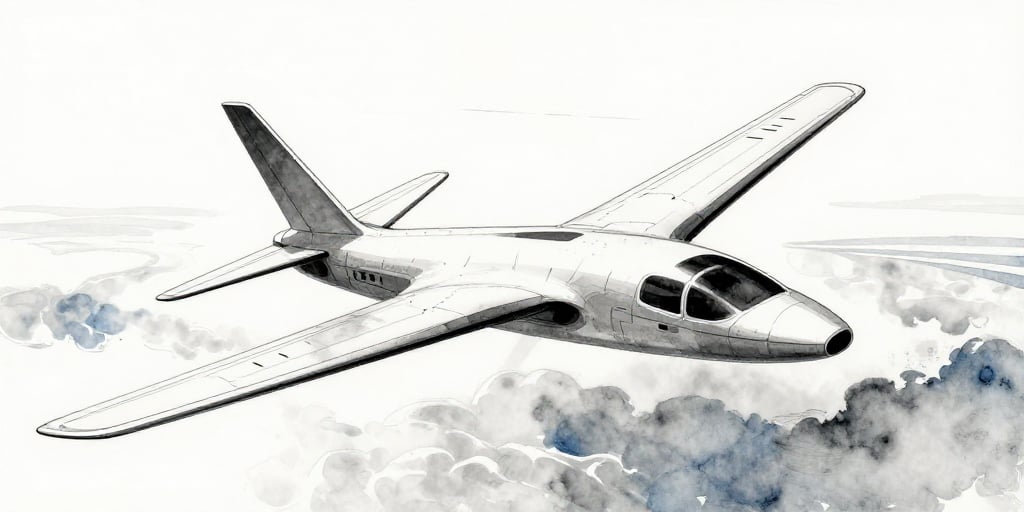
Vortex‑S is conceived as a reusable, autonomous glider that will ferry payloads from Earth orbit to low‑Earth‑orbit (LEO) destinations. According to Dassault, the company has already begun constructing key structural components, while OHB will supply the service module that manages power, communications, and attitude control. The demonstrator—a 4‑metre vehicle—is slated for launch in 2028, following the 2025 initiation of the project.
Underlying Business Fundamentals
- Cost Structure: Early estimates suggest that Vortex‑S could reduce launch‑to‑orbit costs by 15–25 % compared with existing U.S. commercial launch services, owing to shared manufacturing facilities and lower raw material costs in Europe.
- Revenue Streams: Beyond the primary mission of cargo transport, the glider could be re‑configured for rapid response logistics, such as deploying small satellites for defense or scientific purposes, creating a diversified revenue base.
- Capital Expenditure: The project requires an initial outlay of approximately €300 million, primarily for R&D and prototyping. Given Dassault’s robust cash reserves and the French government’s strategic support for European space sovereignty, the risk of financing shortfalls is moderate.
Regulatory Environment The European Union’s Space Agency Framework Act and the forthcoming “Space 2025” directive aim to bolster European autonomy in space operations. Vortex‑S aligns with these policy objectives by reducing reliance on U.S. launch providers and reinforcing the EU’s capacity to meet defense and commercial payload needs. Moreover, the project benefits from the European Union’s “Space Act” provisions, which offer incentives for collaborative R&D among member states.
Competitive Dynamics
- U.S. Rivalry: The United States maintains a near‑monopoly on reusable launch vehicles. Vortex‑S’s competitive advantage hinges on its ability to achieve comparable or superior payload capacity with lower operating costs.
- Emerging European Players: Other European entities, such as ESA’s own Vega‑E and the SpaceX-backed European launch initiative, are concurrently pursuing reusable technologies. Vortex‑S must differentiate itself through rapid deployment schedules, modularity, and integration with existing European launch infrastructure.
- Defense Demand: With increasing NATO interest in rapid resupply and satellite servicing, a dedicated orbital transport vehicle presents a lucrative market segment that U.S. providers may not fully address.
Financial Transparency and Market Reaction
In a routine filing with the Autorité des Marchés Financiers, Dassault disclosed that its share capital stands at €62,170,196.80, with headquarters located in Saint‑Cloud, France. The disclosure reaffirmed compliance with French commercial law but provided no additional operational or financial detail.
On the day of the announcement, European equity markets recorded modest declines. The Paris CAC 40 fell slightly, a reaction reflecting broader geopolitical and inflationary anxieties. Defence‑related stocks, including Dassault, slipped marginally, illustrating the sector’s sensitivity to the evolving geopolitical landscape. Despite the company’s forward‑looking aerospace initiatives, investors remained cautious, underscoring the prevailing risk appetite in the market.
Overlooked Trends and Potential Risks
- Supply Chain Bottlenecks: The aerospace supply chain is still vulnerable to geopolitical tensions, particularly concerning advanced materials and semiconductor components. A disruption could delay Vortex‑S milestones and inflate costs.
- Technological Uncertainty: While reusable gliders promise cost savings, the technology remains nascent in Europe. Unanticipated technical challenges could erode the projected cost advantage.
- Regulatory Hurdles: Although the EU provides a supportive policy environment, the complexity of coordinating approvals across multiple national authorities could prolong the project timeline.
- Competitive Response: U.S. incumbents may accelerate their own reusable programs, potentially diluting the market share that Vortex‑S aims to capture.
Opportunities for Stakeholders
- Investment in R&D: Early-stage funding for reusable vehicle technologies could yield significant returns as the market matures.
- Strategic Partnerships: Collaborations with satellite operators and defense agencies can secure long‑term contracts, mitigating revenue volatility.
- EU Funding Leveraging: Access to Horizon Europe and other EU grants can offset capital expenditures, enhancing the project’s financial viability.
Conclusion
Dassault Aviation’s partnership with OHB to develop the Vortex‑S glider signals a decisive move to secure Europe’s orbital transport future. By interrogating the business fundamentals, regulatory context, and competitive landscape, this initiative reveals both significant opportunities and notable risks that investors, policymakers, and industry stakeholders should monitor closely.