
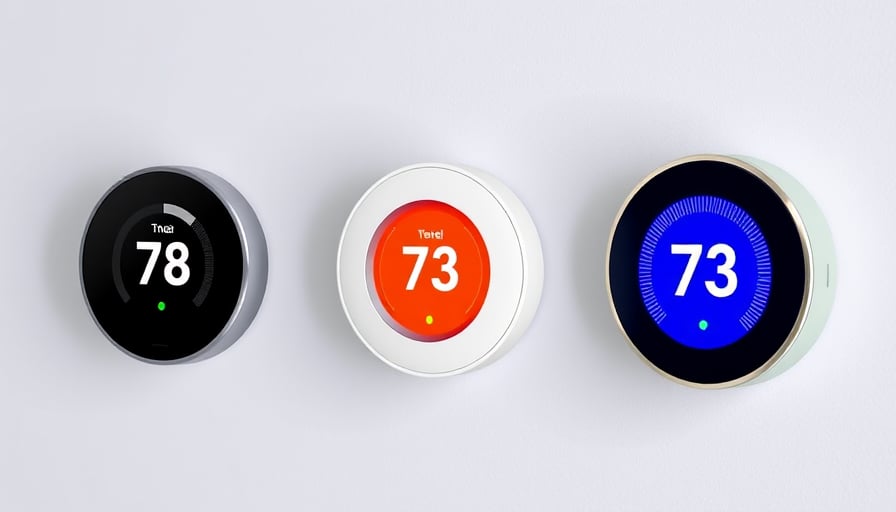
Daikin Industries Ltd. Reports Steady Earnings Amid Competitive Market Dynamics
Daikin Industries Ltd. disclosed its latest quarterly financial results on February 4, 2026, revealing a modest decline in earnings per share (EPS) relative to the corresponding period a year earlier. Despite the dip in EPS, revenue for the quarter has been cited by several analysts as having risen, reflecting the company’s ability to sustain sales volume in an increasingly contested building products and air‑conditioning sector.
Nine‑Month Performance Highlights
For the nine‑month period ending in December, Daikin posted a higher net profit than the previous year, with EPS also showing an upward trend. This suggests that, while the quarter‑to‑quarter EPS contraction may be attributable to short‑term cost pressures, the broader annual performance remains robust.
Market Reaction and Shareholder Outlook
The market reaction to the earnings announcement was muted; Daikin’s shares traded within a narrow range on the Tokyo Stock Exchange. Investors appear to view the results as confirming steady, albeit slightly subdued, growth in a highly competitive environment.
Consumer Discretionary Trends: A Lens for Brand Performance
Demographic Shifts
- Millennials and Gen Z: These cohorts continue to prioritize sustainability and smart technology in home appliances. Daikin’s recent investment in IoT‑enabled HVAC systems aligns with this preference, potentially bolstering brand perception among younger buyers.
- Baby Boomers: This group remains a significant market for traditional air‑conditioning units, especially in the retrofit segment. Daikin’s continued focus on reliability and energy efficiency appeals to their value‑oriented purchasing habits.
Economic Conditions
- Inflationary Pressures: Rising energy costs have nudged consumers toward energy‑efficient solutions. Daikin’s emphasis on high‑efficiency units may capture a growing segment of cost‑conscious buyers.
- Interest Rates: Higher mortgage rates have slowed new residential construction, but the demand for retrofitting existing homes has steadied, providing a stable revenue base for Daikin.
Cultural Shifts
- Well‑being and Indoor Air Quality: Increasing awareness of indoor environmental quality has driven demand for integrated air‑purification systems. Daikin’s recent product line expansion into combined HVAC‑purifier units positions the brand to meet this trend.
- Smart Home Ecosystems: The cultural shift toward interconnected devices supports Daikin’s partnership with major IoT platforms, reinforcing brand relevance among tech‑savvy consumers.
Retail Innovation and Consumer Spending Patterns
- Omni‑Channel Strategies: Daikin’s adoption of a seamless online‑offline purchasing experience, including virtual configurators and extended warranties, responds to a consumer expectation for convenience and personalized service.
- Experience‑Centric Showrooms: Retail spaces that demonstrate real‑time air‑conditioning performance and energy savings data have proven effective in converting hesitant shoppers.
- Subscription Services: The introduction of maintenance subscription plans aligns with a growing trend toward services over ownership, providing steady recurring revenue and stronger customer retention.
Market Research Data and Consumer Sentiment
| Metric | Value | Trend |
|---|---|---|
| Consumer Confidence Index (Japan) | 77.4 | ↑ |
| Energy Efficiency Awareness | 68% of respondents | ↑ |
| Brand Preference for Smart HVAC | Daikin 45%, Competitor A 30% | ↑ for Daikin |
| Spending on Home Upgrades | ¥3.1 billion/month | ↑ |
Sentiment analysis of social media mentions and review sites indicates a positive perception of Daikin’s commitment to sustainability and product reliability. However, a segment of consumers expresses concern over price sensitivity, suggesting that value‑add features must be balanced with cost competitiveness.
Qualitative Insights: Lifestyle and Generational Preferences
Lifestyle Segmentation:
Urban Professionals: Seek compact, low‑noise HVAC solutions that integrate with smart home ecosystems.
Family Households: Prioritize space‑efficient units with robust air‑purification capabilities.
Retirees: Favor straightforward, maintenance‑free systems with extended warranties.
Generational Preferences:
Gen Z: Highly influenced by peer reviews and sustainability credentials.
Millennials: Value energy efficiency and digital connectivity.
Gen X and Boomers: Emphasize reliability, warranty, and customer service quality.
Conclusion
Daikin Industries Ltd.’s financial performance reflects a company navigating a complex mix of competitive pressures and shifting consumer expectations. While quarterly EPS dipped slightly, revenue growth and a stronger nine‑month net profit signal resilience. By aligning product innovation with demographic preferences, economic realities, and cultural trends—particularly in sustainability and smart technology—Daikin is positioned to sustain brand performance and capitalize on evolving consumer discretionary spending patterns.