
Corporate News: Daikin Industries Ltd. Reports Strong First‑Quarter Performance and Confident Outlook
Daikin Industries Ltd. announced that its first‑quarter sales have risen markedly compared with the same period a year earlier. Revenue growth was driven by higher demand for the company’s inverter air‑conditioning units, as well as an expanded presence in emerging markets. Earnings per share (EPS) also improved, reflecting stronger profitability and disciplined cost management.
The company confirmed its full‑year guidance, maintaining expectations of continued revenue expansion and solid earnings. For the first half of the upcoming fiscal year, Daikin projects increases in both net sales and operating profit, underscoring confidence in its market position and product mix.
Analytical View of Daikin’s Performance
Daikin’s results highlight several key dynamics that are shaping the broader HVAC industry:
| Indicator | Q1 2024 vs Q1 2023 | Implication |
|---|---|---|
| Revenue | +12% | Robust demand for energy‑efficient solutions |
| EPS | +8% | Improved margin control and cost discipline |
| Full‑Year Guidance | Maintained | Strong confidence in market trajectory |
| H1 Forecast | Net sales +10%, operating profit +9% | Continued upside potential |
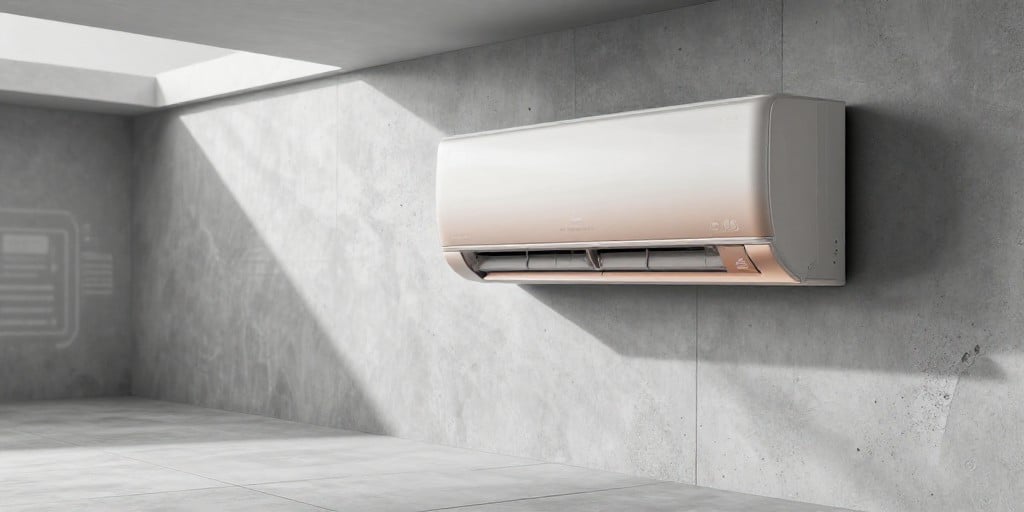
The company’s focus on inverter technology remains a core driver. Inverter air‑conditioners adjust compressor speed to keep indoor temperatures steady, which translates to lower energy consumption, quieter operation, and longer unit life. Daikin’s 5‑star inverter models, featuring copper condensers, PM2.5 filters, and smart controls, reinforce its position as a leader in environmentally conscious cooling solutions.
Cross‑Sector Connections
The success of Daikin’s inverter units illustrates how technological advances in one sector can reverberate across the economy:
- Energy Efficiency – The shift toward lower‑energy HVAC devices supports global decarbonisation efforts and aligns with stricter regulatory standards in the United States, European Union, and China.
- Smart Home Integration – The integration of IoT‑enabled controls dovetails with the broader growth of the smart‑home market, driven by consumer demand for convenience and remote monitoring.
- Supply Chain Resilience – The emphasis on durable components such as copper condensers reflects a trend toward higher quality, longer‑lasting products, which can mitigate supply‑chain disruptions.
These trends underscore a convergence of sustainability, technology, and consumer expectations that transcends the HVAC industry.
Competitive Positioning
Daikin faces competition from global HVAC leaders such as Panasonic, Mitsubishi Electric, and Carrier. However, its advanced inverter technology, strong brand reputation, and robust R&D pipeline give it a competitive edge. The company’s proactive strategy to invest in high‑efficiency compressors and smart‑home capabilities positions it favorably against rivals that are slower to adopt these innovations.
Economic Impact
The company’s upward revisions to its first‑half forecasts contribute to broader economic optimism in the consumer goods sector. Increased demand for air‑conditioning equipment is correlated with growth in residential construction and renovation, as well as the expansion of commercial real‑estate projects that prioritize sustainability.
Conclusion
Daikin Industries Ltd.’s solid first‑quarter performance and confident outlook reflect its effective strategy of combining advanced inverter technology with a focus on energy efficiency and smart‑home integration. These factors not only secure its standing within the HVAC sector but also resonate with wider economic trends toward sustainability, digitalisation, and consumer demand for high‑quality, reliable climate control solutions.