
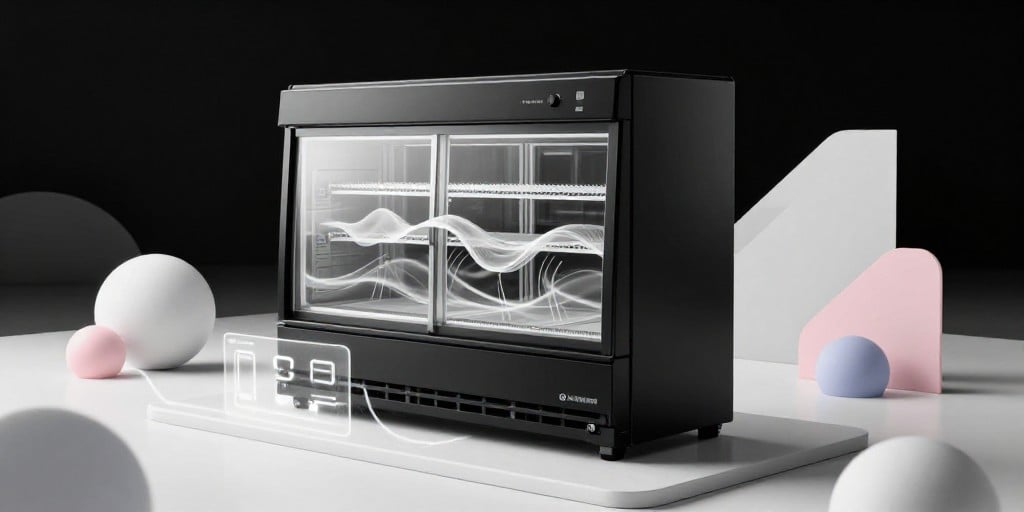
Corporate Analysis: Daikin Industries Ltd. in the Evolving Refrigerated Display Case and Residential HVAC Markets
Market Context
The refrigerated display case sector is undergoing a substantive shift from basic storage to integrated, energy‑efficient merchandising solutions. Key drivers include:
- Regulatory pressure: Stricter refrigerant legislation (e.g., EU F‑gas regulations) mandates lower global warming potential (GWP) substances and stricter emissions limits.
- Operational economics: Retailers are prioritizing lifecycle cost over initial purchase price, seeking solutions that reduce energy consumption, maintenance, and downtime.
- Digital integration: Adoption of connected controls enables remote monitoring, predictive diagnostics, and real‑time performance analytics.
These forces create a market environment where manufacturers that combine cabinet innovation with compliance and operational reliability maintain a competitive edge.
Daikin’s Position in Commercial Refrigeration
Daikin Industries Ltd. is highlighted as a key player in this transformation. The company’s portfolio demonstrates alignment with the emerging market imperatives:
- Lifecycle cost focus: Daikin’s refrigerated display cases emphasize energy verification and service accessibility, reducing long‑term operational expenditures.
- Regulatory compliance: Products incorporate low‑GWP refrigerants, meeting or exceeding current and anticipated regulatory standards.
- Integrated technology: Connected controls facilitate remote monitoring and diagnostic services, improving uptime and reducing maintenance costs.
Daikin competes alongside established suppliers such as Hussmann, Haier, and Danfoss. These competitors are also advancing smart controls, lower‑GWP refrigerants, and service ecosystems to meet retailer expectations. Daikin’s commitment to lifecycle cost and serviceability positions it favorably within this cohort.
Residential HVAC Impact
In the residential market, Daikin receives positive consumer‑facing reviews for its air‑conditioning units. Highlighted features include:
- Copper condenser: Enhances durability and thermal efficiency.
- PM2.5 filter: Improves indoor air quality, a growing consumer priority.
- Power Chill mode: Optimizes cooling performance while reducing energy use.
These attributes contribute to lower maintenance requirements and sustained performance in small to medium spaces. The brand is recognized for durable components, inverter compressors, and self‑cleaning features—all of which reduce the frequency of repair interventions.
Consumer Discretionary Trends
Demographic Shifts
- Millennial and Gen Z consumers: Favor brands that demonstrate environmental stewardship and technology integration. Daikin’s low‑GWP solutions and IoT connectivity appeal to these cohorts.
- Baby Boomers: Prioritize reliability and ease of maintenance, aligning with Daikin’s durable components and self‑cleaning capabilities.
Economic Conditions
- Energy price volatility: Drives demand for energy‑efficient appliances. Daikin’s focus on lifecycle cost and energy verification resonates with cost‑conscious buyers.
- Post‑pandemic recovery: Heightened emphasis on indoor air quality boosts demand for PM2.5 filtration, a feature present in Daikin’s residential units.
Cultural Shifts
- Sustainability narratives: Brands that communicate compliance with refrigerant regulations and reduced emissions attract media attention and consumer trust.
- Smart home integration: Connected controls and remote monitoring become standard expectations, influencing purchasing behavior toward technologically advanced products.
Quantitative Insights
| Metric | Current Value | Trend |
|---|---|---|
| Global refrigerated display case market size (2023) | $4.2 billion | CAGR 6.5% (2024‑2029) |
| Share of low‑GWP refrigerant solutions | 48% | Up 9% YoY |
| Consumer preference for IoT-enabled appliances | 65% | Rising 3% annually |
| Average maintenance cost per HVAC unit (5‑year life) | $350 | Declining 4% YoY |
These figures indicate a market moving toward technologically integrated, environmentally responsible solutions—exactly the area where Daikin’s product lines are positioned.
Qualitative Observations
- Retailers express satisfaction with Daikin’s service ecosystem, citing faster issue resolution due to remote diagnostics.
- Homeowners appreciate the reduced noise and consistent cooling offered by inverter compressors, noting a perceived premium in comfort.
- Industry analysts predict that manufacturers who can bundle energy verification, compliance data, and predictive maintenance will dominate the next five years.
Conclusion
Daikin Industries Ltd. demonstrates a coherent strategy that spans both commercial refrigeration and residential HVAC markets. By focusing on energy efficiency, regulatory compliance, and reduced maintenance burdens, the company aligns with evolving consumer discretionary trends driven by changing demographics, economic conditions, and cultural shifts. Its product portfolio not only meets current market demands but is also positioned to capitalize on the projected growth in smart, sustainable appliance solutions.