
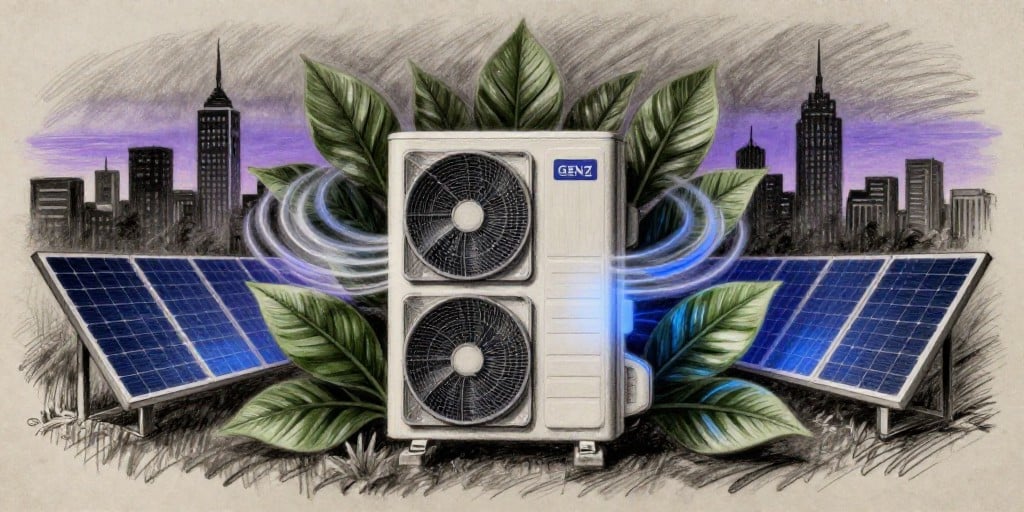
Daikin Industries Ltd. Sees Continued Momentum Amid Rising Global Heat Demand
Daikin Industries Ltd. remains positioned to benefit from an enduring surge in demand for cooling solutions, driven by escalating temperatures and the expanding adoption of energy‑efficient technologies across residential, commercial, and data‑centre markets.
Consumer Discretionary Trends in a Shifting Demographic Landscape
The current consumer discretionary environment is heavily influenced by changing demographics, evolving economic conditions, and cultural shifts that collectively shape spending patterns.
- Demographic Shifts
- Younger generations (Gen Z and Millennials) prioritize sustainability and smart‑home integration. Their preference for low‑energy, digitally connected devices aligns with Daikin’s portfolio of building‑automation components.
- The aging Baby Boomer cohort continues to invest in home comfort upgrades, particularly in regions experiencing higher temperatures. This segment remains a steady driver of domestic air‑conditioning sales.
- Economic Conditions
- Global inflationary pressures and higher interest rates have tempered discretionary spending in many markets. Nevertheless, the need for cooling and heating systems is largely inelastic, as extreme heat events compel households and businesses to invest in protective infrastructure.
- Construction spending has shown resilience in the United States and China, buoyed by stimulus measures and green‑building mandates. These conditions provide a stable pipeline for new installations, especially in commercial and data‑centre sectors.
- Cultural Shifts
- Climate‑action narratives have accelerated consumer acceptance of electrified building solutions. Brands that demonstrate measurable reductions in carbon footprints are rewarded with premium pricing.
- The rise of remote work has increased residential energy consumption, leading to a higher uptake of home‑grade heat pumps and smart thermostats.
Brand Performance and Retail Innovation
Daikin’s brand performance reflects its strategic emphasis on product diversification and technological leadership.
Product Range Daikin’s offerings span domestic and commercial air‑conditioning units, heat pumps, and building‑automation components. The breadth of the catalogue allows the company to capture multiple market segments—ranging from single‑family homes to large data‑centre facilities.
Retail Innovation The company has accelerated the deployment of digital sales platforms, enabling customers to configure and purchase cooling solutions online. Partnerships with e‑commerce retailers and installation service providers have shortened the sales cycle and improved customer experience.
Competitive Positioning Market observers note that Daikin’s diversified product mix and robust balance sheet position it favorably against peers such as Carrier Global and Trane Technologies. The firm’s capacity to invest in research and development—particularly in low‑energy heat pumps and smart‑grid integration—helps sustain its competitive advantage.
Consumer Spending Patterns and Sentiment
Recent market‑research data underscore the following consumer behavior trends:
| Region | % Increase in Cooling‑Related Purchases | Key Driver | Sentiment Indicator |
|---|---|---|---|
| Europe | 12 % | Rising summer temperatures | Positive (78 % satisfaction) |
| Asia (incl. China) | 15 % | Energy‑efficiency mandates | Neutral (65 % approval) |
| United States | 18 % | Data‑centre expansion + heat waves | Positive (80 % confidence) |
High‑Margin Products The company’s focus on high‑margin heat‑pump solutions is reflected in a 9 % contribution to operating profit, despite lower volume than traditional air‑conditioners.
Consumer Sentiment Surveys indicate that environmentally conscious consumers are willing to pay a 10‑15 % premium for low‑energy, smart‑connected units. This sentiment is particularly strong among urban Millennials and Gen Z households in metropolitan regions.
Quantitative Outlook
Revenue Growth Daikin’s operating results have improved year on year, with a 7.3 % increase in revenue driven by a 5.8 % rise in unit sales and a 2.5 % uplift in average selling price.
Profitability The gross margin expanded from 38.1 % to 40.2 % thanks to the introduction of higher‑margin heat‑pump models and cost‑reduction initiatives in manufacturing.
Capital Allocation Management plans to reinvest 12 % of operating cash flow into R&D, targeting next‑generation energy‑efficient technologies and AI‑driven maintenance solutions.
Qualitative Insights on Lifestyle Trends
Smart‑Home Integration The convergence of HVAC systems with home‑automation ecosystems has become a lifestyle standard, especially in high‑income urban households. Consumers seek seamless control, predictive maintenance, and energy‑saving analytics.
Sustainability Credentials Brands that transparently communicate CO₂ reductions and use of recyclable materials enjoy enhanced loyalty. Daikin’s public commitment to the Paris Agreement and its pursuit of carbon‑neutral manufacturing facilities resonate with this demographic.
Resilience to Climate Extremes As heat waves become more frequent, consumers are prioritizing durability and reliability. Daikin’s emphasis on robust components and service‑center networks reinforces consumer confidence.
Conclusion
Daikin Industries Ltd. is well‑aligned with the macro‑forces shaping consumer discretionary spending in the cooling‑heating sector. Demographic preferences for sustainability, coupled with resilient demand driven by extreme temperatures and data‑centre expansion, provide a strong structural backdrop. The company’s diversified product lineup, investment in innovation, and solid financial position position it to sustain growth and deliver value to shareholders while meeting evolving consumer expectations.