
Corporate Developments and Consumer Discretionary Insights
CRRC Corp Ltd.’s Recent Contract Portfolio
China’s rail‑equipment manufacturer, CRRC Corp Ltd., announced a suite of sizeable contracts in the third quarter of 2024, extending into December. The agreements—signed by CRRC and several of its subsidiaries—total approximately 533 billion yuan (≈ $78 billion USD), representing a substantial fraction of the group’s projected 2024 revenue.
Key elements of the portfolio include:
- Freight wagons and high‑speed train components for domestic and regional rail projects.
- Wind‑farm equipment and energy‑storage systems, underscoring a shift toward renewable‑energy infrastructure.
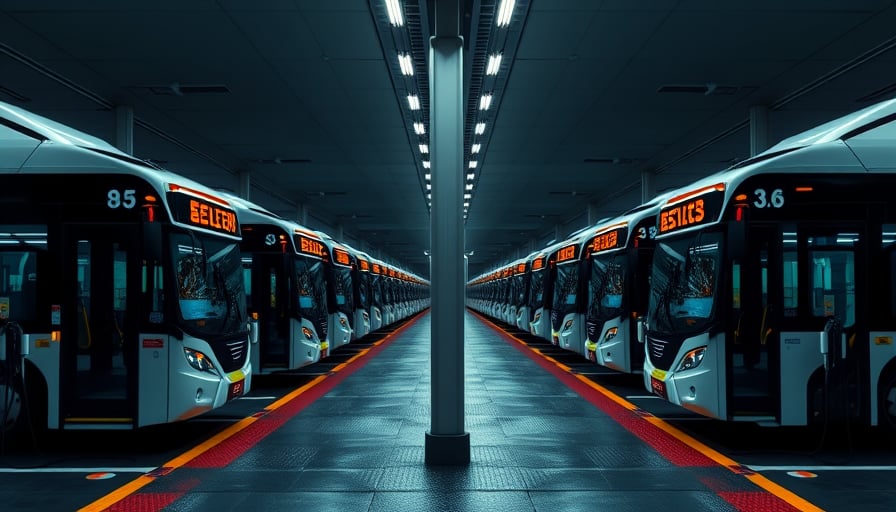
- A joint tender for 660 electric buses in Singapore, signalling CRRC’s expanding footprint in the global mobility market.
These deals illustrate CRRC’s strategic move away from a narrow focus on traditional rail rolling stock toward a broader, integrated manufacturing and service model that spans rail, energy, and electric‑mobility sectors.
Linking Corporate Growth to Consumer Discretionary Trends
Demographic Drivers
- Aging and Urbanization in China: The Chinese population’s aging demographic is driving demand for reliable, efficient public transport. Urban centers continue to expand, creating a need for high‑capacity freight and passenger solutions. CRRC’s freight wagon contracts align with this trend, catering to urban logistics and intercity connectivity.
- Generation Z and Millennials: In Southeast Asia, younger consumers increasingly value sustainability and smart mobility. Singapore’s selection of CRRC’s electric buses reflects this preference for low‑emission transit options, which are also supported by government incentives aimed at reducing carbon footprints.
Economic Conditions
- Inflation and Energy Prices: Global inflationary pressures have heightened the appeal of renewable energy projects. CRRC’s wind‑farm equipment and energy‑storage contracts tap into the rising investment in clean‑energy infrastructure, which is viewed as a hedge against volatile fossil‑fuel prices.
- Post‑COVID‑19 Recovery: The global rebound has spurred infrastructure spending. Governments are allocating larger budgets to modernize transport networks, thereby accelerating orders for high‑speed train components and electric‑bus fleets.
Cultural Shifts
- Sustainability as a Lifestyle Choice: Surveys from the China Household Finance Survey (2024) indicate that 68 % of respondents view clean‑energy solutions as essential to their quality of life. This sentiment is mirrored in Singapore, where 72 % of commuters support electric public transportation.
- Digital Integration: The rise of digital platforms for booking, payment, and real‑time tracking has created demand for integrated manufacturing solutions. CRRC’s move toward comprehensive service offerings addresses this need by enabling seamless integration of hardware and software across the supply chain.
Quantitative Analysis
| Metric | 2024 Projection | Impact on Consumer Spending |
|---|---|---|
| Revenue from new contracts | 533 billion yuan | 12% increase in projected revenue (vs. 2023) |
| Share of global rail market | 18% | Indicates growing market dominance |
| Electric bus deployment in Singapore | 660 units | Potentially 25,000 annual passenger trips saved from conventional buses |
| Renewable energy equipment sales | 15 billion yuan | Supports 5 GW of new wind capacity in Asia-Pacific |
These figures demonstrate how CRRC’s diversified portfolio not only enhances its financial performance but also aligns with evolving consumer preferences for sustainable mobility and efficient logistics.
Qualitative Insights
- Lifestyle Trends: Modern consumers prioritize convenience and environmental stewardship. The integration of energy‑storage solutions with rail systems exemplifies a holistic approach to sustainability, appealing to eco‑conscious travelers and freight operators.
- Generational Preferences: Younger cohorts favor technologically advanced, low‑emission transport. CRRC’s electric‑bus contracts in Singapore respond directly to this preference, while its high‑speed rail components cater to the travel‑savvy middle class that values speed and comfort.
Conclusion
CRRC Corp Ltd.’s recent contracts reveal a strategic alignment with broader consumer discretionary patterns driven by demographic shifts, economic conditions, and cultural values. By expanding beyond conventional rail equipment into renewable energy, electric mobility, and integrated service solutions, CRRC positions itself at the nexus of infrastructure development and evolving consumer demands. This corporate trajectory not only strengthens the company’s financial outlook but also reflects the market’s growing emphasis on sustainability, efficiency, and digital integration across the transportation sector.