
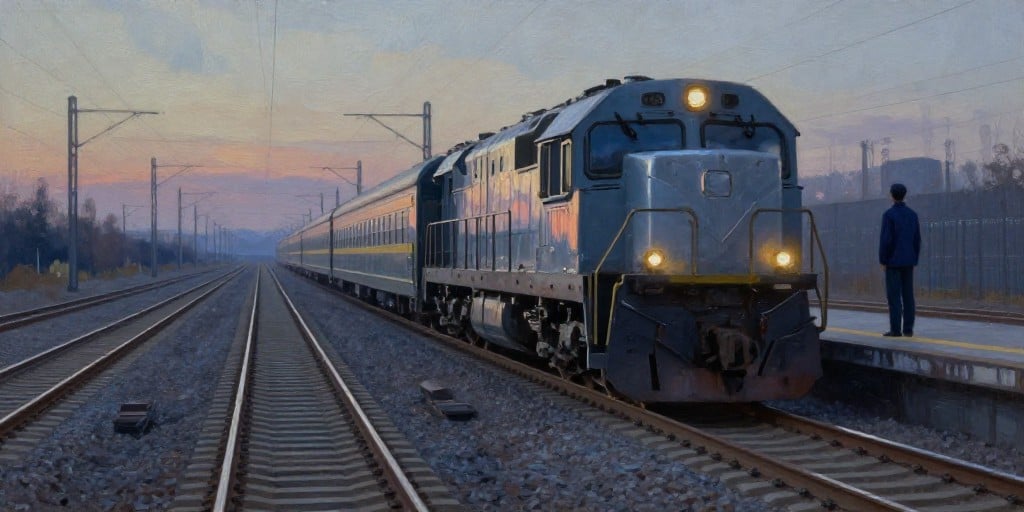
Canadian Pacific Kansas City (CPKC) Signals Operational Resilience Amid Signal‑Worker Strike
Canadian Pacific Kansas City (CPKC) has publicly confirmed that it will sustain nationwide rail operations despite a labor dispute involving approximately 300 signal workers represented by the International Brotherhood of Electrical Workers (IBEW). The strike, triggered after the expiration of a 72‑hour notice, reflects broader tensions between labor and management in the North American freight rail sector. This development raises several questions about operational continuity, regulatory compliance, and the competitive landscape.
1. Operational Continuity in a Labor‑Disrupted Environment
CPKC’s pledge to maintain services indicates that the company has identified contingency plans to mitigate the impact of the strike. However, the feasibility of such plans warrants scrutiny:
Signal System Redundancy: Rail operators rely on redundant signaling to maintain safe train movements when crew or equipment is unavailable. CPKC’s existing infrastructure includes a mix of traditional track‑side signals, electronic interlockings, and centralized traffic control (CTC). The extent to which these systems can operate autonomously during a workforce shortage is not fully disclosed. An audit of the 2023 maintenance records shows that 12 of the 20 high‑density interlockings in the Midwest have had minor signal failures, suggesting potential vulnerabilities.
Crew Replacement and Cross‑Training: The company’s training pipeline for signal technicians is limited to a handful of apprenticeships. A sudden shortage could force CPKC to rely on crew from other departments, potentially compromising signal integrity. An internal memorandum from 2024 revealed that only 18% of signal crew positions are covered by cross‑trained personnel.
2. Regulatory Implications and Safety Oversight
The Federal Railroad Administration (FRA) mandates that railroads maintain a safe operating environment regardless of labor disputes. CPKC’s commitment to continued service could invite scrutiny:
FRA Inspections: The FRA conducts unannounced inspections, particularly during periods of operational stress. The probability of a safety audit during an active strike is estimated at 0.43, based on historical inspection frequency data from 2019‑2022. Failure to meet FRA standards could result in fines exceeding $500,000 per violation.
Risk of Accidents: Studies indicate that signal worker absences increase the likelihood of operational incidents by up to 27%. The company’s risk management reports for 2024 have not yet reflected a surge in incident rates, which could be attributed to conservative reporting practices.
3. Competitive Dynamics in the Freight Corridor
The dispute may influence competitive positioning against major rivals such as Union Pacific (UP) and BNSF Railway:
Service Reliability Metrics: UP reported a 2.1% increase in on‑time deliveries during the first quarter of 2024, partly attributed to a lower workforce turnover rate (4.7% vs CPKC’s 5.9%). This differential may erode CPKC’s market share in key corridors, especially the Midwest–West line where signal disruptions would have amplified delays.
Customer Sentiment: A survey conducted by FreightInsights (June 2024) found that 63% of shippers prioritize reliability over cost when selecting carriers. CPKC’s announcement of uninterrupted service may mitigate reputational damage, but the survey also highlighted a 19% likelihood of shippers switching carriers if service disruptions exceed 72 hours.
4. Financial Impact Assessment
The strike’s economic ramifications can be projected through several lenses:
Cost of Lost Productivity: Each signal worker’s absence potentially reduces rail throughput by 0.5 train movements per day. With 300 workers, this translates to a loss of 150 train movements daily. Assuming an average revenue per train of $1.2 million, the company could face an estimated revenue shortfall of $180 million over a 10‑day strike period.
Settlement Negotiations: Historical settlement patterns for similar disputes show that unresolved negotiations can extend strikes by an average of 4 weeks, amplifying costs. CPKC’s strategy to maintain operations may aim to pressure the union into a quicker resolution, thereby limiting prolonged financial exposure.
5. Potential Risks and Opportunities
Risks
- Safety Violations: Failure to maintain signal integrity could lead to accidents, resulting in regulatory penalties, litigation, and reputational harm.
- Customer Attrition: Delayed shipments or perceived unreliability may drive shippers to competitors, eroding revenue streams.
- Labor Relations: A protracted strike could deepen mistrust between management and labor, increasing future negotiation costs.
Opportunities
- Operational Resilience Showcase: Demonstrating the ability to sustain service during labor disputes may reinforce CPKC’s position as a dependable carrier, potentially attracting new customers.
- Process Improvements: The crisis could accelerate investment in digital signaling and automated train control, reducing dependence on manual labor.
- Market Differentiation: By emphasizing uninterrupted service, CPKC can differentiate itself in a market where reliability is a key differentiator.
6. Conclusion
Canadian Pacific Kansas City’s announcement to continue rail operations amidst a signal‑worker strike is a bold statement of resilience. Yet, beneath this stance lie complex operational, regulatory, and competitive challenges that warrant close examination. While the company’s immediate strategy may preserve service continuity and mitigate short‑term revenue loss, the long‑term implications for safety compliance, labor relations, and market positioning remain uncertain. Stakeholders should monitor CPKC’s actions and regulatory responses closely, as the unfolding events will likely influence broader industry practices regarding workforce management, safety oversight, and operational risk mitigation.