
Institutional Investor Interest and Executive Portfolio Adjustments
Costco Wholesale Corp has recently drawn the attention of institutional investors, most notably through a substantial purchase by a U.S. factor‑rotation exchange‑traded fund. This entry signals confidence in the company’s long‑term earnings stability and its resilient business model, which remains largely insulated from cyclical fluctuations in the broader economy. At the same time, a number of senior executives have begun liquidating portions of their personal holdings, an action that suggests a strategic portfolio realignment rather than an alarm about the firm’s prospects. The timing of these sales—coinciding with the fund’s inflow—illustrates how institutional activity can coexist with executive discretion, reinforcing the perception that Costco’s share price is now subject to broader macro‑market forces rather than company‑specific catalysts.
Operational Enhancements: Speeding the Checkout Experience
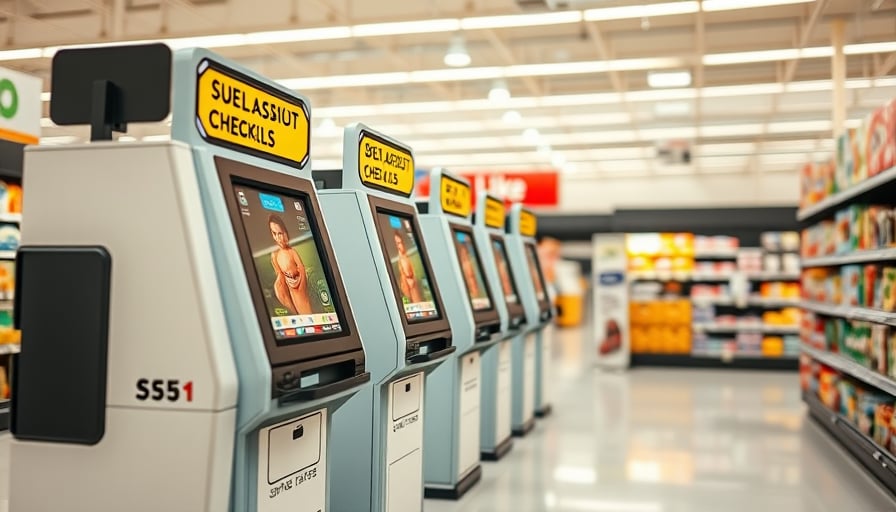
In alignment with its ongoing focus on operational excellence, Costco has announced two significant changes aimed at accelerating the checkout process at its warehouses. First, the retailer is expanding its “express” lanes, adding dedicated, high‑volume, low‑value item counters that reduce dwell time for shoppers carrying small baskets. Second, the company is rolling out an updated electronic payment system that enables contactless transactions to be processed in fewer seconds, thereby easing the bottleneck that often occurs during peak hours. These initiatives are part of a broader strategy to maintain Costco’s reputation for delivering value at scale while simultaneously improving customer satisfaction and throughput efficiency.
The checkout upgrades dovetail with Costco’s broader omnichannel ambitions. While the company has historically relied on a physical‑store‑first model, recent data from the consumer staples distribution sector show that a hybrid approach—integrating in‑store convenience with online ordering and curbside pickup—is becoming essential to capture changing shopper preferences. By tightening its in‑store experience, Costco is better positioned to support seamless transitions between its brick‑and‑mortar footprint and emerging digital touchpoints.
Market Context: Nasdaq Subdued, Costco Stable
The Nasdaq Composite index has exhibited muted activity in recent sessions, a trend that reflects heightened uncertainty in the technology and growth‑stock arenas. In contrast, Costco’s share price has demonstrated relative resilience, buoyed by both institutional inflow and the company’s track record of steady dividend payments and modest price appreciation. The juxtaposition of a quiet trading environment with Costco’s continued focus on internal efficiency underscores a key narrative: the retailer’s current trajectory is less about aggressive corporate restructuring and more about incremental operational refinement that reinforces its position as a core player in the consumer staples distribution sector.
Cross‑Sector Patterns and Long‑Term Implications
When we synthesize data from adjacent consumer goods categories—such as discount retailers, warehouse clubs, and online grocery platforms—a consistent pattern emerges. Successful firms are investing in:
| Category | Key Trend | Operational Focus |
|---|---|---|
| Discount Retail | Omnichannel integration | Unified inventory across physical and digital channels |
| Warehouse Clubs | Rapid checkout technology | Automation of payment and scanning processes |
| Online Grocery | Same‑day delivery logistics | Advanced warehouse robotics and route optimization |
Costco’s recent initiatives mirror this cross‑sector movement: by expanding express lanes and accelerating electronic payments, the retailer is aligning itself with the broader industry’s shift toward frictionless transactions. Moreover, the firm’s strategic decision to attract institutional capital while allowing executives to rebalance personal portfolios signals a robust governance structure that can adapt to market volatility without compromising long‑term goals.
Supply Chain Innovation
Beyond checkout improvements, Costco has been quietly modernizing its supply chain through strategic partnerships with logistics providers that specialize in cold‑chain and high‑volume freight. This focus on supply‑chain resilience is critical, especially in a post‑pandemic landscape where disruptions can erode consumer confidence. By leveraging real‑time inventory analytics and predictive demand modeling, Costco is reducing overstock and minimizing waste—factors that directly enhance profitability and support its brand positioning as a cost‑conscious retailer.
Consumer Behavior Shifts
Contemporary consumer behavior reveals a growing appetite for convenience without sacrificing value. A 2025 Nielsen study found that 68 % of U.S. shoppers now expect same‑day delivery or in‑store pickup for high‑frequency items, while still prioritizing low price points. Costco’s checkout enhancements and supply‑chain innovations cater to these expectations by delivering speed and reliability at a low cost to the consumer. The synergy between operational efficiency and customer demand is a powerful lever that will sustain Costco’s competitive advantage over the next decade.
Connecting Short‑Term Movements to Long‑Term Transformation
The immediate effect of institutional investment and executive portfolio adjustments is a modest lift in share valuation and a perception of increased liquidity. These short‑term market dynamics serve as a barometer for confidence in Costco’s strategic direction. In the longer term, the company’s emphasis on omnichannel retailing, supply‑chain optimization, and checkout acceleration positions it to capture evolving consumer preferences while maintaining its core value proposition.
As the retail landscape continues to evolve—driven by digital convergence, sustainability pressures, and shifting demographic trends—Costco’s current trajectory signals a deliberate, data‑driven approach to transformation. By staying true to its foundational principles of bulk purchasing, cost leadership, and operational excellence, the company is poised to translate short‑term market signals into enduring industry leadership.