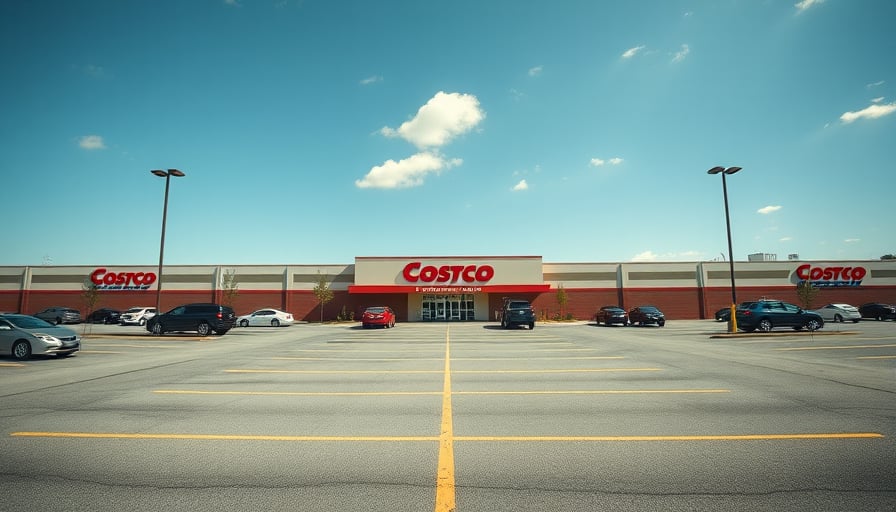
Costco Wholesale Corp. Expands into Fuel Retail: A Strategic Pivot at the Nexus of Digital and Physical Shopping
Costco Wholesale Corp. has announced a strategic initiative to broaden its retail footprint by launching standalone fuel stations at select warehouse locations. While the company has not yet released detailed financial projections, executives emphasize the potential to enhance member convenience and generate incremental traffic to its bulk‑goods stores. This development signals a broader corporate shift toward diversified service offerings, reflecting both evolving consumer habits and the growing convergence of digital and physical retail ecosystems.
Aligning with Lifestyle and Demographic Trends
The Rise of the “Experience‑First” Consumer Millennials and Gen Z shoppers increasingly value seamless experiences that blend online convenience with tangible touchpoints. A fuel station adjacent to a warehouse creates a one‑stop environment where members can refuel, shop, and complete digital‑enabled transactions—all within a single visit. This aligns with the “grab‑and‑go” lifestyle that prioritizes speed without compromising value.
Changing Household Structures and Mobility The United States is witnessing a shift toward smaller household units, with more young adults owning vehicles but lacking dedicated storage for fuel purchases. By providing a dedicated fuel outlet, Costco taps into a demographic that seeks convenience without sacrificing bulk‑price benefits.
Sustainability and the Green Consumer With rising environmental consciousness, consumers are exploring fuel alternatives such as electric vehicle (EV) charging or bio‑fuel options. Costco’s infrastructure could serve as a testing ground for future green‑energy services, positioning the company as a forward‑thinking retailer in the era of decarbonization.
Digital Transformation Meets Physical Retail
Integrated Loyalty Programs Costco’s existing membership model can be leveraged to offer fuel discounts or digital coupons through a mobile app, reinforcing data capture and personalized marketing. The seamless integration of fuel purchases into the existing loyalty framework will deepen member engagement.
Data-Driven Inventory and Pricing Fuel stations provide a rich data stream on consumer purchase patterns, enabling predictive analytics that can optimize in‑store assortments and pricing strategies. The digital backbone of Costco’s operations—e‑commerce platforms, inventory management, and customer analytics—can extend into the fuel retail domain.
Contactless Payments and Automation The fuel station can adopt advanced payment technologies—such as mobile wallets, RFID‑enabled fuel cards, or QR‑based checkout—mirroring the automated checkout experiences Costco already offers at its warehouses. Such innovations reduce friction for the customer while providing the company with further digital touchpoints.
Generational Spending Patterns and Market Opportunities
Value‑Seeking Millennials Millennials, the largest segment of Costco’s membership base, prioritize price‑value and are comfortable with digital engagement. A bundled value proposition—bulk groceries paired with discounted fuel—cater to their cost‑conscious mindset.
Gen Z and Digital Natives While Gen Z typically exhibits a preference for niche, boutique experiences, they also value efficiency and digital integration. A fuel station that supports EV charging or offers app‑based loyalty incentives could attract this cohort, broadening Costco’s appeal beyond its traditional core.
The “Work‑From‑Anywhere” Workforce As remote work reshapes commuting patterns, businesses may seek flexible fuel solutions for their fleets. Costco’s fuel stations could become hubs for corporate accounts, creating a new B2B revenue stream.
Forward‑Looking Analysis
Incremental Revenue Streams Although fuel sales are expected to generate modest incremental revenue, the strategic value lies in increased foot traffic and cross‑selling opportunities. Fuel customers are more likely to visit the warehouse for complementary purchases, boosting overall sales volumes.
Competitive Positioning By diversifying services, Costco mitigates risks associated with reliance on bulk merchandise and positions itself against competitors exploring omni‑channel retail models (e.g., Walmart’s integrated fuel and grocery model). This diversification strengthens Costco’s competitive moat in a rapidly changing retail landscape.
Scalability and Geographic Expansion Early-stage implementation allows the company to pilot the concept in select markets, refine operational logistics, and assess customer adoption rates. Successful pilots can inform a broader rollout, potentially covering a significant portion of the U.S. retail footprint.
Sustainability Initiatives In the long term, incorporating alternative fuels and EV charging aligns with consumer expectations and regulatory pressures toward greener operations. This could open access to subsidies and incentives, enhancing profitability and brand reputation.
Conclusion
Costco’s move into standalone fuel stations exemplifies how a traditional bulk retailer can pivot by leveraging digital tools, demographic insights, and evolving consumer preferences. By intertwining convenience, value, and technology, the company not only bolsters its physical presence but also creates new revenue streams that resonate with younger, experience‑centric shoppers. As the retail sector continues to blur the lines between online and offline, Costco’s strategic diversification may serve as a blueprint for other firms seeking sustainable growth in an increasingly digital world.