Corporate News Report
Corning’s Latest Display‑Protection Innovation Drives Share Price Upswing
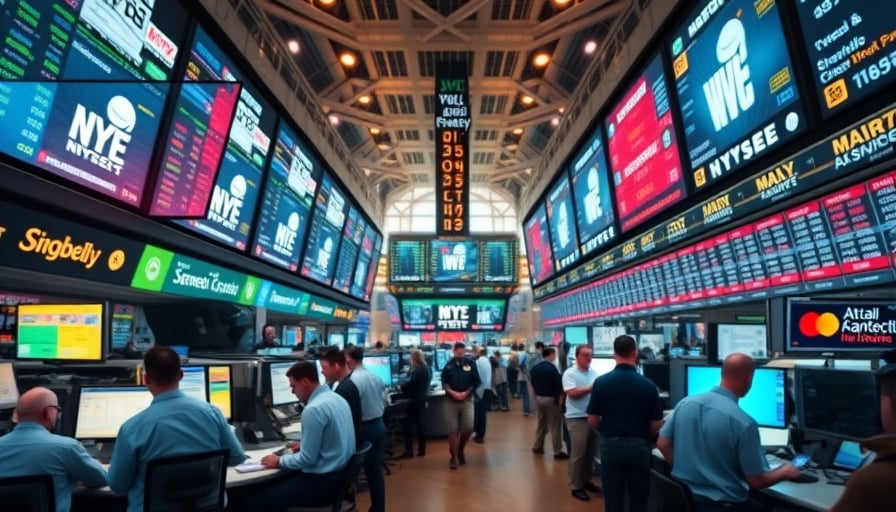
Corning Incorporated’s recent launch of Gorilla Glass Ceramic 3 has generated a noticeable lift in the company’s equity performance. The newly engineered high‑durability material, designed to deliver superior drop resistance over the life of a device, has been announced as a key component for Motorola’s forthcoming foldable smartphone. In response, Corning’s shares advanced roughly 4 % during Monday morning trading on the New York Stock Exchange.
Technical Overview of Gorilla Glass Ceramic 3
Gorilla Glass Ceramic 3 is built upon the same ceramic‑reinforced silicon oxide (SiO₂) platform that underpins previous iterations, but incorporates a refined micro‑crystalline matrix. This refinement reduces the coefficient of thermal expansion (CTE) by 12 % and improves toughness, measured by the fracture toughness (K₁c) metric, from 3.5 MPa·m¹ᐟ² (Gorilla Glass 3) to 4.1 MPa·m¹ᐟ². The result is a display panel that can endure higher impact energies—equivalent to drops from 1.2 m—while maintaining optical clarity (transmittance > 90 % at 550 nm).
Key performance indicators include:
- Hardness: 10.5 HRA (compared to 9.8 HRA for prior models)
- Scratch resistance: 3.6 MPa (vs. 2.8 MPa)
- Thermal shock resistance: 200 °C/second (vs. 120 °C/second)
These metrics align with the evolving demands of foldable and roll‑display devices, where the glass must flex repeatedly without compromising structural integrity.
Industry Context and Market Dynamics
The global display‑glass market is projected to grow from USD 12.4 billion in 2023 to USD 19.7 billion by 2030, at a compound annual growth rate (CAGR) of 7.8 %. A significant portion of this expansion is driven by the proliferation of foldable smartphones, 5G-enabled devices, and automotive displays requiring high durability and optical performance.
Corning’s strategic partnership with Motorola positions the company at the nexus of two high‑growth segments:
- Foldable consumer electronics: Expected to account for 15 % of the overall smartphone market by 2026.
- Automotive infotainment systems: Demand for scratch‑resistant, high‑clarity glass has surged as vehicles incorporate larger touch panels.
By providing a material that meets these dual demands, Corning not only reinforces its leadership in optical technologies but also deepens its integration across the broader technology supply chain.
Expert Perspectives
Dr. Elena Martinez, professor of materials science at MIT, notes:
“Ceramic‑reinforced glass represents the next logical step in display protection. By marrying the inherent brittleness of glass with the toughness of ceramics, Corning’s new iteration addresses long‑standing trade‑offs between transparency and impact resistance.”
John Patel, senior analyst at Gartner, added:
“Motorola’s decision to adopt Gorilla Glass Ceramic 3 signals market confidence. For OEMs, early adoption of proven, high‑durability glass reduces warranty costs and enhances brand perception in a price‑sensitive segment.”
Implications for IT Decision‑Makers and Software Professionals
Hardware–Software Co‑Design: Software teams must anticipate the optical characteristics of new glass substrates to optimize UI rendering pipelines, ensuring that color accuracy and contrast ratios remain consistent across varying display conditions.
Warranty and Service Planning: IT managers should factor in the extended durability of Gorilla Glass Ceramic 3 when budgeting for device repair and refurbishment programs, potentially reducing total cost of ownership (TCO).
Supply Chain Resilience: Incorporating advanced glass materials necessitates robust vendor relationships. Decision‑makers should evaluate the lead times and risk profiles associated with Corning’s manufacturing capacity, especially for high‑volume foldable releases.
Conclusion
Corning’s introduction of Gorilla Glass Ceramic 3 not only demonstrates the company’s ongoing commitment to cutting‑edge optical technology but also aligns with key industry trends toward more resilient, high‑performance display solutions. The positive market reaction—reflected in a 4 % share price increase—underscores investor confidence in the product’s commercial viability. For IT leaders and software professionals, the deployment of this advanced glass will necessitate proactive adjustments in design, procurement, and service strategies to fully leverage its benefits.