
Continental AG Maintains Steady Position in Global Automotive Supply Chain
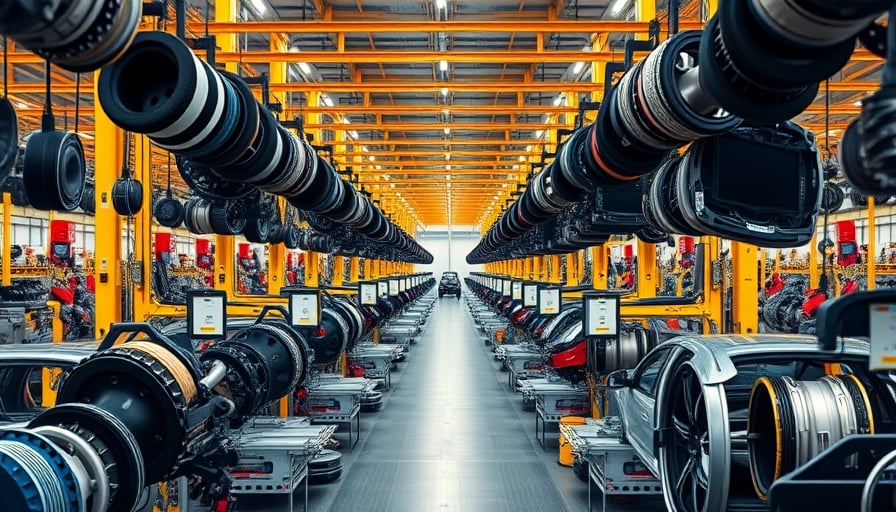
Continental AG, headquartered in Hannover, Germany, remains a prominent diversified supplier to the worldwide automotive sector. Its product portfolio spans tires, braking systems, shock absorbers, hoses, belts, conveyor belting, and sealing systems, catering to passenger cars, trucks, commercial vehicles, and bicycles. The company’s extensive geographic footprint and broad range of components position it as a critical node in the global automotive value chain.
Product Diversification and Market Reach
Continental’s manufacturing footprint covers multiple continents, with production facilities strategically located to serve key regional markets. The company’s tire business, for instance, supplies high‑performance and off‑road tires to major OEMs and aftermarket distributors alike. Its braking systems and shock absorbers are integral to vehicle safety and ride quality, while conveyor belting and sealing solutions find applications beyond automotive, extending into industrial and consumer goods sectors. This cross‑industry exposure helps buffer Continental against cyclical swings that may affect a single segment.
Financial Performance and Share Price Dynamics
Recent market data indicate that Continental’s share price has fluctuated within a relatively narrow range, a pattern that aligns with the broader investor sentiment toward mature automotive suppliers. The firm’s price‑earnings ratio, while higher than some peers, reflects sector‑specific challenges such as raw‑material cost volatility and the transition toward electric and autonomous vehicles. Nevertheless, the company’s market capitalisation places it among the larger players in the automotive component industry, attracting investors focused on technology integration and sustainable mobility solutions.
Competitive Positioning and Technological Innovation
Continental invests heavily in research and development to stay ahead of evolving regulatory standards and consumer demands. Its focus on lightweight materials, advanced driver‑assist systems, and electrification technologies reinforces its competitive advantage. By partnering with OEMs on joint development programs, Continental secures long‑term contracts while sharing the risks associated with new product launches.
Macro‑Economic Context and European Market Impact
In the broader German and European economy, Continental’s performance contributes to the resilience of the consumer‑discretionary sector. As a key supplier, its operational efficiency and product reliability directly influence vehicle production volumes, which in turn affect downstream industries such as logistics, retail, and after‑sales services. Moreover, Continental’s emphasis on sustainability aligns with European Union directives on carbon emissions, positioning the company favorably for future regulatory shifts.
Conclusion
Continental AG exemplifies how a diversified supplier can maintain stability amid industry turbulence by leveraging a broad product mix, investing in technological innovation, and aligning closely with OEMs. Its steady share price trajectory, significant market capitalisation, and integral role in the automotive supply chain underscore the firm’s importance to both the German economy and the wider European market.