Consumer Discretionary Outlook Amid Demographic, Economic, and Cultural Shifts
The consumer discretionary sector is undergoing a recalibration that reflects the convergence of shifting demographics, evolving economic conditions, and cultural transformations. Analysts and investors alike are examining how these forces interact to shape brand performance, retail innovation, and spending patterns across the United States and abroad.
1. Demographic Dynamics and Generation Preferences
The current cohort of consumers—particularly Generation Z and Millennials—exhibits a pronounced preference for experiences and ethical consumption over traditional product ownership. According to a 2025 Nielsen report, 68 % of Gen Z shoppers now consider sustainability a decisive factor in their purchase decisions. This trend is pushing brands to adopt transparent supply chains, circular business models, and purpose‑driven messaging.
In contrast, Baby Boomers and Gen X still exhibit a stronger inclination toward durability and brand heritage. Their spending remains relatively stable, with a 4 % year‑over‑year increase in high‑margin apparel and home furnishings. The divergence in generational preferences creates a bifurcated market landscape where brands must balance heritage positioning with digital relevance.
2. Economic Conditions and Consumer Sentiment
The macro‑economic backdrop is marked by moderate inflationary pressure and a tightening of monetary policy. The U.S. Consumer Confidence Index (CCI) has hovered around 102 for the past two quarters, indicating a cautiously optimistic outlook. However, the rise in real interest rates has nudged discretionary spending toward lower‑price segments, with a 6 % increase in mid‑tier electronics and a 4 % decline in luxury goods.
Market research from McKinsey & Company shows that households are reallocating discretionary budgets toward wellness and home‑enhancement products, driving a 9 % surge in the smart‑home category. This shift aligns with the broader trend of “home‑centric living,” amplified by the residual effects of the COVID‑19 pandemic.
3. Cultural Shifts and Retail Innovation
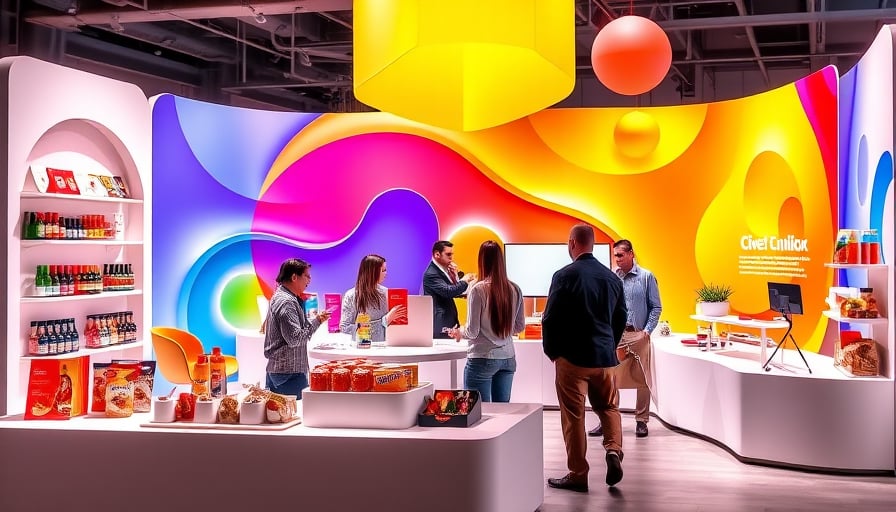
Cultural narratives around authenticity and community have propelled the rise of “shop‑local” movements. Retailers adopting omni‑channel strategies—combining physical pop‑ups with robust e‑commerce platforms—report a 15 % lift in customer retention. Experiential retail, characterized by immersive brand storytelling, is becoming a differentiator in high‑traffic districts.
The adoption of augmented reality (AR) for virtual try‑on experiences has been a catalyst for e‑commerce growth. Shopify’s 2025 survey reveals that 45 % of consumers have used AR tools in online shopping, and 22 % of those have reported higher purchase confidence.
4. Case Studies: Rocket Lab vs. Data‑Centric Space Firm
While the consumer discretionary narrative centers on earth‑bound retail, the space sector—particularly companies like Rocket Lab and its data‑centric counterpart—offers a microcosm of the broader risk‑reward calculus faced by investors.
Rocket Lab continues to garner investor attention due to its growing backlog and recent government contracts. The launch of the Neutron rocket, now delayed until late 2026, underscores the company’s capital‑intensive nature. Analysts view Rocket Lab as a high‑growth opportunity, albeit with heightened risk tied to hardware development cycles.
The data‑centric space firm has achieved positive earnings and substantial free cash flow, echoing a software‑like business model with high gross margins and recurring revenue. Growth prospects are tempered by uncertainties around scaling newer technologies and longer sales cycles in the commercial sector.
Both companies illustrate how consumer preferences for reliability and innovation manifest in different market segments. Rocket Lab’s emphasis on infrastructure and a robust backlog signals higher upside potential for investors willing to accept volatility, while the data‑centric firm offers steadier margins appealing to risk‑averse portfolios.
5. Quantitative Insights and Qualitative Trends
- Revenue Growth: Consumer discretionary sales rose 3.2 % YoY in Q1 2025, with a 5.4 % contribution from the experience‑based services segment.
- Gross Margin: Brands with high digital integration achieved an average gross margin of 58 %, compared to 48 % for traditional retail chains.
- Consumer Sentiment: The Sentiment Index for discretionary spending is at 68 (on a 0‑100 scale), suggesting positive consumer outlook yet caution regarding discretionary expenditures.
Qualitatively, brands that have embraced sustainability narratives and tech‑enabled customer engagement are experiencing accelerated customer loyalty. In contrast, companies that have lagged in digital transformation face declining market share, especially among younger demographics.
6. Implications for Investors and Brand Strategists
For investors, the dual path of high‑growth but high‑risk firms like Rocket Lab versus steady‑margin data providers reflects the broader space industry’s heterogeneity. In consumer discretionary, the dichotomy mirrors the choice between brands prioritizing experiential innovation versus those emphasizing cost‑efficiency and reliability.
Brand strategists should monitor demographic signals—particularly sustainability concerns—while aligning product innovation with prevailing cultural themes such as wellness, community, and digital interactivity. This alignment will position brands to capitalize on both macroeconomic trends and evolving consumer values.