Corporate Analysis of Consolidated Edison Inc. in the Context of Power System Modernization
Consolidated Edison Inc. (CENX) remains a focal point for market observers following recent regulatory developments that underscore the broader challenges facing the utilities sector. The company’s financial performance has displayed resilience amid volatility, yet its operational stability is now being tested by intensified scrutiny of its compliance framework, environmental reporting, and grid reliability standards.
1. Power Generation, Transmission, and Distribution Dynamics
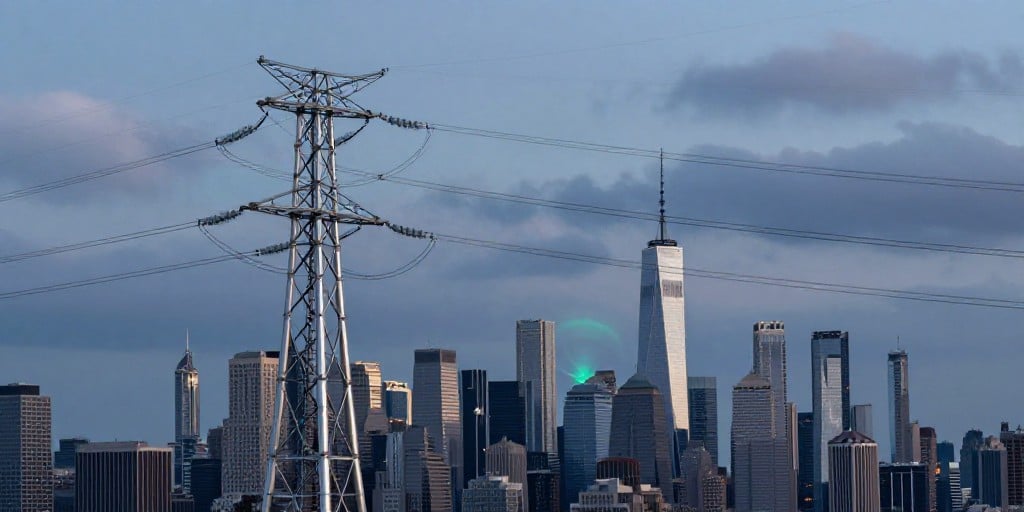
CENX operates a substantial distribution network that delivers electric and natural gas services across New York City, Long Island, and surrounding regions. While the company’s generation portfolio is modest—primarily composed of peaker plants and purchased power contracts—its transmission and distribution systems are critical for grid stability.
- Grid Stability: The firm’s distribution network must accommodate rapid changes in load demand and intermittent renewable injections. Advanced protection schemes, automated reclosers, and real‑time voltage regulation are integral to maintaining synchronism across substations.
- Renewable Integration: New York State’s renewable portfolio standards (RPS) and the federal Clean Power Plan mandate increased penetration of wind, solar, and storage. CENX’s current infrastructure, designed for a predominantly baseload load profile, must adapt to variable renewable outputs. This adaptation requires enhanced forecasting algorithms, dynamic line rating (DLR) capabilities, and expanded battery storage to smooth supply curves.
- Infrastructure Investment: The firm’s capital allocation plans indicate a focus on upgrading transformers, installing smart grid sensors, and deploying advanced distribution management systems (ADMS). These investments are essential to mitigate voltage violations, reduce line losses, and enable rapid fault isolation—key to supporting a higher share of renewables without compromising reliability.
2. Regulatory Frameworks and Rate Structures
Regulatory bodies, including the New York Public Service Commission (NYPSC) and federal agencies, are revisiting rate design to reflect the costs and benefits of grid modernization.
- Cost‑of‑Service (COS) Analysis: CENX’s current COS model must evolve to incorporate the value of ancillary services provided by distributed energy resources (DERs). Incorporating performance-based ratemaking (PBR) could incentivize DER adoption while ensuring that cost recovery remains equitable.
- Reliability Standards: The North American Electric Reliability Corporation (NERC) has introduced new reliability assessment protocols (e.g., Reliability Assessment Framework for Transmission System Operators). Compliance necessitates rigorous contingency analysis and real‑time system monitoring—factors that may elevate operating expenses in the short term.
- Environmental Reporting: Federal and state mandates for greenhouse gas (GHG) emissions reporting are driving utilities to disclose emissions associated with both generation and transmission. CENX’s recent transparency initiatives aim to align with the Greenhouse Gas Protocol and the SEC’s climate disclosure framework, potentially influencing investor perception and risk assessments.
3. Economic Impacts of Utility Modernization
The transition toward a cleaner, more resilient grid involves significant capital expenditures. For CENX, these investments influence both capital structure and consumer pricing.
- Debt Reduction vs. Infrastructure Funding: Management’s emphasis on debt reduction aligns with maintaining a high credit rating, yet the need for capital to fund grid upgrades may constrain debt repayment schedules. A balanced approach—utilizing low‑interest rate facilities for infrastructure and retaining cash reserves for contingency—will be critical.
- Ratepayer Implications: Modernization projects, while essential for reliability, translate into increased capital costs that are typically recovered through rate increases. However, the adoption of distributed generation can offset some costs by reducing peak demand and transmission losses, potentially moderating rate hikes.
- Long‑Term Economic Benefits: Improved grid stability and renewable integration reduce outage frequency, enhance system resilience against extreme weather events, and lower the total cost of ownership. These benefits, though not immediately reflected in quarterly earnings, strengthen long‑term value for both the company and its customers.
4. Engineering Insights into Power System Dynamics
From an engineering perspective, the challenges and opportunities for CENX can be distilled into three core dynamics:
- Load Forecasting Accuracy: High‑resolution weather data and machine learning algorithms improve the precision of demand forecasts, allowing more efficient scheduling of peaker plants and DER dispatch.
- Voltage Control with High Renewable Penetration: Reactive power compensation via static VAR compensators (SVCs) and power factor correction equipment mitigates voltage sags caused by rapid solar output fluctuations.
- Protection Coordination in a Distributed Environment: Advanced fault detection algorithms and adaptive relays ensure that protection settings remain optimal as the network topology evolves with the addition of DERs and microgrids.
These engineering considerations underline the necessity for a coordinated strategy that blends technological upgrades, regulatory compliance, and financial prudence.
5. Conclusion
Consolidated Edison Inc.’s experience exemplifies the multifaceted nature of contemporary utility operations. While the company’s core revenues remain robust, its strategic focus on grid modernization, regulatory compliance, and financial discipline is pivotal for sustaining operational stability. By investing in advanced transmission and distribution technologies, aligning rate structures with modern reliability standards, and maintaining transparent environmental reporting, CENX is poised to navigate the transition toward a more sustainable and resilient energy system—balancing short‑term financial pressures with long‑term value creation for investors and consumers alike.