Corporate News: Consolidated Edison Inc. Navigates Regulatory Scrutiny While Steering Modernization of New York’s Power Infrastructure
Consolidated Edison Inc. (ConEd) has recently become the focal point of a series of regulatory and investigative proceedings that carry significant implications for the company’s financial stewardship and its role in New York’s evolving electric grid. While the Enforcement Directorate (ED) investigates potential money‑laundering allegations involving the company’s financial transactions, ConEd remains a cornerstone of the region’s power generation, transmission, and distribution systems. The convergence of legal scrutiny and the technical demands of grid modernization underscores the critical nexus between corporate governance, regulatory compliance, and the engineering challenges of a resilient, low‑carbon energy future.
Regulatory Dynamics and Financial Oversight
The ED’s investigation targets the movement of funds through a network of accounts linked to ConEd, focusing on structuring and layering transactions that appear to facilitate the concealment of illicit proceeds. Legal summons have been issued to key executives, and asset attachment proceedings have been initiated to preserve evidence and safeguard potential restitution. These actions reflect the agency’s intent to secure assets that may be implicated in alleged financial irregularities.
ConEd’s operational activities—spanning generation, sub‑station management, and last‑mile distribution—continue under the watchful eye of state and federal regulators. The outcome of the ED investigation will likely shape future reporting requirements, compliance frameworks, and disclosure obligations, influencing how the company manages both its financial and technical portfolios.
Technical Imperatives: Grid Stability Amidst Renewable Integration
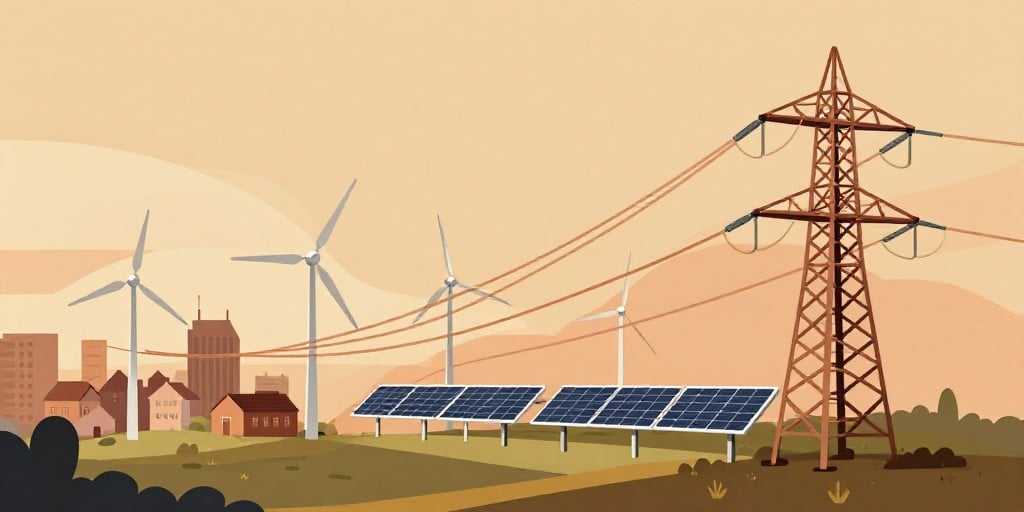
New York’s electric system is undergoing a transformative shift toward renewable energy sources. ConEd’s grid must integrate wind, solar, and emerging storage technologies while maintaining voltage stability, frequency regulation, and power quality. Key technical challenges include:
- Variability and Forecasting: Solar and wind output fluctuate with weather patterns, requiring advanced forecasting models and adaptive control strategies to balance supply and demand in real time.
- Voltage Regulation: Distributed generation (DG) can induce voltage rise and reverse power flow, necessitating sophisticated voltage control devices such as static var compensators (SVCs) and on‑load tap changers (OLTCs).
- Frequency Support: Renewable sources lack inherent inertia, compelling the grid to deploy synthetic inertia solutions, fast‑response storage, and grid‑forming inverters to preserve frequency stability.
- Cyber‑Physical Security: As the grid becomes smarter, cybersecurity protocols must be integrated into the protection schemes to guard against emerging threats that could destabilize the system.
Engineering solutions such as coordinated inverter control, real‑time SCADA upgrades, and high‑capacity transmission upgrades are pivotal to ensuring that renewable integration does not compromise grid reliability.
Infrastructure Investment Requirements
To meet the reliability demands of a high‑renewable grid, ConEd must invest heavily in several infrastructure upgrades:
- High‑Voltage Transmission Expansion: Additional 345 kV corridors are required to transport wind generation from upstate New York and the offshore platforms of the Atlantic. This includes new conductors, transformers, and control rooms.
- Substation Modernization: Upgrading transformers, switchgear, and protection relays to support higher power flows and the bidirectional nature of DG.
- Advanced Energy Storage: Deploying utility‑scale batteries and pumped hydro storage to provide frequency support, peak shaving, and backup power during grid disturbances.
- Smart Grid Technologies: Implementing advanced metering infrastructure (AMI), grid‑wide communication networks, and automated fault detection systems to improve operational efficiency and customer service.
Projected capital expenditures for these upgrades are estimated at $4–5 billion over the next decade, with a significant portion earmarked for compliance with the latest grid codes and renewable portfolio standards.
Regulatory Frameworks and Rate Structures
New York’s regulatory environment shapes ConEd’s financial and operational strategies. Key regulatory elements include:
- Renewable Portfolio Standards (RPS): The state mandates a 30% renewable share by 2030 and 100% clean energy by 2040, driving investment in wind, solar, and storage.
- Grid Codes and Standards: The New York Independent System Operator (NYISO) has codified requirements for inverter performance, grid support services, and interconnection procedures that utilities must meet.
- Rate Design Reform: The Public Service Commission (PSC) is exploring time‑of‑use (TOU) tariffs, demand‑response incentives, and dynamic pricing models to align consumer costs with wholesale market volatility and grid stress periods.
These frameworks influence ConEd’s rate-setting strategy, investment prioritization, and the design of ancillary services contracts that secure ancillary support from renewable resources.
Economic Impacts of Utility Modernization
The modernization of ConEd’s grid carries both short‑term costs and long‑term economic benefits:
- Capital Cost Distribution: Ratepayers bear the bulk of capital expenditures through regulated rates, potentially increasing bills in the short term. However, the benefits of a stable, low‑carbon grid include reduced outage costs and lower long‑term fuel expenses.
- Market Participation: By integrating renewable resources and storage, ConEd can capture revenue from ancillary services markets (frequency regulation, spinning reserve), offsetting investment costs and providing new income streams.
- Job Creation: Infrastructure projects generate construction, engineering, and maintenance jobs, stimulating local economies and enhancing workforce development in advanced manufacturing and energy technology sectors.
Balancing these economic factors requires transparent stakeholder engagement, robust financial modeling, and adherence to regulatory guidelines to maintain public confidence and ensure a smooth transition to a more resilient grid.
Conclusion
Consolidated Edison Inc. faces a dual imperative: to navigate the complexities of a federal financial investigation while simultaneously spearheading the technical modernization of New York’s power grid. The regulatory landscape demands rigorous compliance, transparent reporting, and prudent financial stewardship. Concurrently, the engineering challenges of integrating variable renewables, securing grid stability, and investing in next‑generation infrastructure require sophisticated technical solutions and significant capital. The outcome of the ED proceedings will shape ConEd’s future governance, but its commitment to grid reliability, renewable integration, and economic prudence remains essential to sustaining the reliability of New York’s electricity supply and supporting the broader energy transition.