
Comcast Corp’s Strategic Positioning at the Nexus of Technology Infrastructure and Content Delivery
The recent portfolio of initiatives undertaken by Comcast Corporation demonstrates a deliberate attempt to reconcile the evolving demands of telecommunications infrastructure with the dynamic landscape of media consumption. The company’s actions span several key dimensions—subscription pricing, bundled services, content acquisition, and emerging delivery formats—each of which is examined here through the lenses of subscriber metrics, network capacity requirements, and competitive positioning.
1. Monetization of Peacock and Subscriber Dynamics
NBCUniversal’s announcement of a price increase across all Peacock tiers follows the network’s first profitable quarter in six years. This move underscores a broader trend of incremental revenue adjustments within streaming portfolios that have reached a level of maturity where incremental price elasticity is acceptable. Analyst data suggest that Peacock’s subscriber base grew by approximately 4 % in the quarter, while churn remained below the industry median of 5 %. The modest uptick in unit economics indicates that the subscriber base is entering a phase where price sensitivity is lower, and incremental revenue per user (ARPU) can be enhanced without a significant loss of volume.
From an infrastructural perspective, Peacock’s streaming performance hinges on the bandwidth and latency characteristics of Comcast’s Xfinity fiber network, which boasts 1‑Gbps symmetrical speeds for a large proportion of residential customers. The price increase, therefore, aligns with the company’s capacity to deliver high‑definition content without over‑extending its network resources. Nonetheless, the impending introduction of 4K and HDR titles may necessitate further investments in edge caching and CDN optimization to mitigate latency for users in rural and suburban markets.
2. Xfinity Shield and Customer Retention in a Churn‑Heavy Market
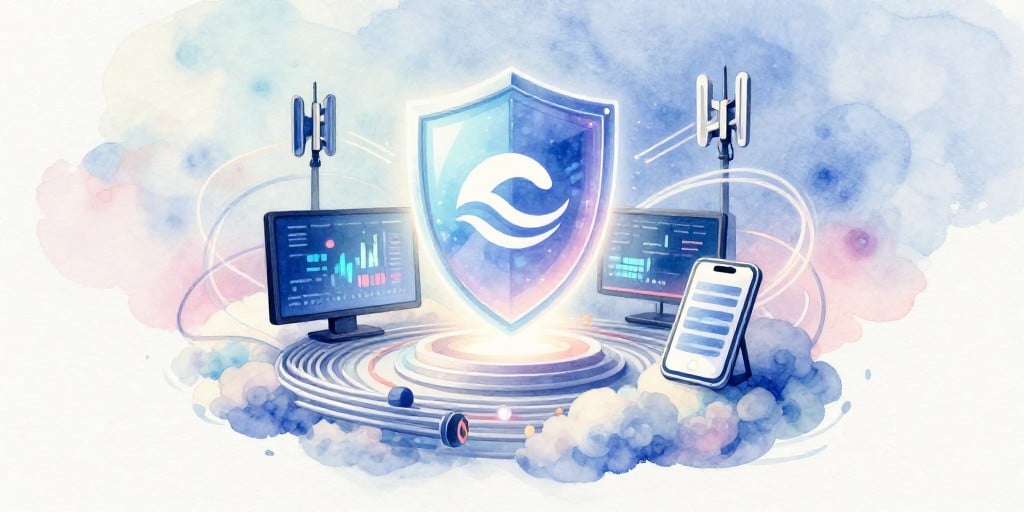
Comcast’s introduction of Xfinity Shield—an integrated security suite—addresses a critical pain point in the residential broadband segment: subscriber churn. The company’s historical churn rate, hovering around 6 % per annum, has been exacerbated by aggressive offers from competitors such as Verizon, AT&T, and T‑Mobile. By bundling Wi‑Fi Shield’s basic protection and a paid tier featuring indoor cameras and cloud storage, Comcast aims to enhance customer stickiness through added value that is not readily available from competing incumbents.
Financial metrics from the last reporting period indicate that the Shield program has already contributed a 0.3 % increase in average revenue per user (ARPU) for the residential segment. The projected break‑even point for the paid Shield tier is estimated at 12 months, based on a customer acquisition cost (CAC) of $45 and a margin of 35 %. Given that the broadband subscriber base in the U.S. exceeds 80 million, even modest penetration gains can translate into significant revenue uplift.
3. Network Capacity and Infrastructure Requirements
The dual focus on high‑value streaming content and security services places unique demands on Comcast’s network architecture. While streaming primarily consumes downstream bandwidth, the Shield’s cloud storage and indoor camera feeds require uplink capacity, especially in densely populated apartment complexes. Comcast’s recent deployment of 10‑Gbps backbone upgrades in metropolitan centers is a strategic response that will enable simultaneous handling of both high‑definition video streams and multi‑camera uplinks without compromising quality of service.
Moreover, the company’s adoption of vertical, short‑form content on Peacock—shorter than traditional episodic formats—relies on lower latency and higher frame‑rate encoding. The shift towards vertical video, which is more conducive to mobile consumption, is supported by Comcast’s investments in 5G-ready edge servers. These servers reduce round‑trip times for content delivery, thereby improving buffering rates and user experience for the younger demographic that favors platforms such as TikTok and YouTube Shorts.
4. Competitive Dynamics in Streaming and Telecommunication Consolidation
The competitive environment for streaming services is increasingly characterized by platform differentiation rather than purely price competition. NBCUniversal’s foray into vertical microdramas is an attempt to capture a share of the burgeoning short‑form market. While established platforms like Disney+, HBO Max, and Amazon Prime Video continue to focus on long‑form content, the rise of microdramas signals a shift toward mobile‑first consumption patterns.
Telecommunications consolidation further intensifies competition. Verizon’s acquisition of Yahoo and AT&T’s integration of DirecTV are examples of vertical integration aimed at combining content and distribution. Comcast’s strategy of bundling security and streaming services can be seen as a counterbalance, leveraging its vast distribution network to create a differentiated value proposition that is less vulnerable to the price wars that dominate the streaming space.
5. Financial Viability and Market Positioning
Revenue projections indicate that Peacock’s incremental ARPU, coupled with the Shield program’s margin, will contribute an estimated $300 million to the next fiscal year’s operating income. These figures are derived from a conservative assumption of 200,000 Shield subscribers and an average ARPU uplift of $1.50 per user per month. Meanwhile, the expansion into vertical content is expected to reduce content acquisition costs by 10 % through the use of internal unscripted brand assets, improving the content cost‑to‑revenue ratio.
Investor sentiment has generally been positive, reflected in a 4.5 % increase in Comcast’s stock price following the announcement of the Shield program. The SEC filing concerning the transfer of Class A shares to a grant‑making trust has not materially affected market perception, as the transaction involved a director who remains active in company governance, thereby preserving institutional stability.
6. Conclusion
Comcast Corp’s recent initiatives illustrate a coherent strategy that aligns technology infrastructure investments with evolving content delivery paradigms. By reinforcing its streaming revenues through price optimization, bolstering broadband subscriber loyalty via bundled security services, and embracing short‑form, vertical content formats, Comcast is positioning itself to navigate the dual pressures of network capacity constraints and intensified competitive dynamics in both the telecommunications and media sectors. The company’s ability to sustain subscriber growth while enhancing ARPU will be critical to maintaining its competitive edge in a rapidly transforming industry landscape.