
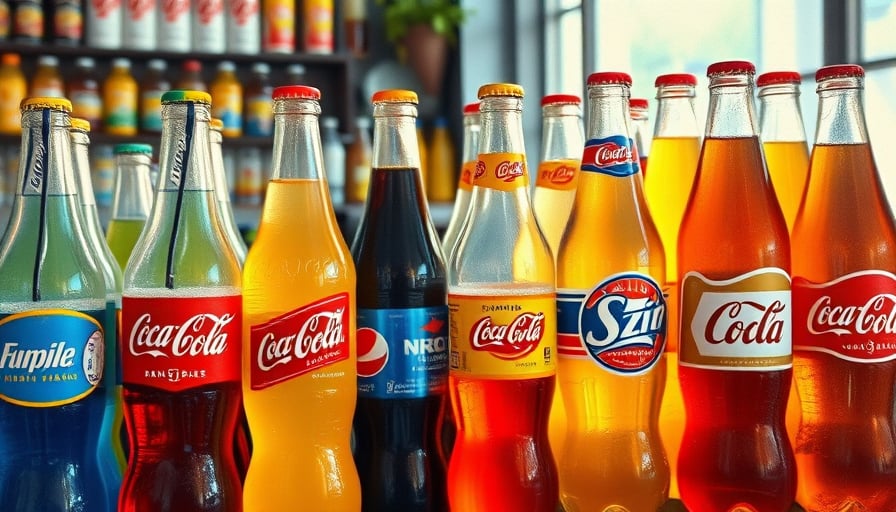
Coca‑Cola HBC AG’s Market Performance and Strategic Implications
The most recent trading activity on the London Stock Exchange saw Coca‑Cola HBC AG (ticker COH) rise modestly, a movement that mirrored a broader trend of resilience among non‑banking blue‑chip equities. The gains helped offset a decline in the banking sector, underscoring a shift in investor sentiment toward consumer staples during periods of macroeconomic uncertainty. In parallel, the Athens exchange reached a near‑record high, buoyed in part by the firm’s solid performance and persistent market presence.
Regulatory Turnaround and Its Market Significance
A noteworthy development in Coca‑Cola HBC’s corporate narrative is the successful appeal that annulled a competition authority fine. This outcome demonstrates the firm’s proactive approach to regulatory compliance and risk management—an attribute increasingly prized by investors in an era of heightened scrutiny over market conduct. The ruling also eliminates a potential drag on future earnings, thereby reinforcing the company’s financial stability.
Financial Metrics Pointing Toward Growth
The company’s latest financial disclosure reveals a steady rise in net sales and operating profitability. Key highlights include:
- Net Sales Growth: A year‑over‑year increase reflecting both volume expansion and successful pricing strategies.
- Operating Profitability: Improved margins driven by cost‑efficiency measures and favorable product mix.
- Market Share Expansion: Incremental gains in both developed and emerging markets, indicating effective distribution and brand positioning.
These metrics align with broader consumer trends—particularly the rise of health‑conscious purchasing and the premiumisation of beverages—which create fertile ground for product innovation.
Strategic Focus for the Upcoming Year
Guidance for the forthcoming fiscal year emphasises two main pillars:
- New Product Launches: Leveraging data‑driven insights to introduce beverages that resonate with evolving consumer preferences, such as low‑sugar and functional drinks.
- Gradual Recovery in Mature Markets: Re‑engagement strategies aimed at revitalising established brands while capitalising on cross‑border synergies.
This dual strategy positions Coca‑Cola HBC to capture both incremental sales growth and market share expansion, thereby sustaining long‑term shareholder value.
Digital Transformation Meets Physical Retail
Coca‑Cola HBC’s performance offers a microcosm of the broader consumer sector, where digital and physical touchpoints converge to shape the purchasing journey. The firm’s investment in e‑commerce platforms, coupled with a robust supply‑chain network, enables real‑time inventory optimisation and personalised marketing. Simultaneously, physical retail remains pivotal for brand visibility and impulse buying—especially in emerging economies where consumers still rely heavily on in‑store experiences.
- Digital Engagement: Mobile‑first campaigns and data analytics are refining customer segmentation, allowing for tailored promotions that boost conversion rates.
- Experiential Retail: Pop‑up activations and immersive brand zones reinforce consumer loyalty and create shareable moments that amplify social‑media reach.
The synthesis of these channels is reshaping how consumers interact with brands, creating new opportunities for omnichannel retailers that can seamlessly blend digital convenience with tangible product experiences.
Generational Spending Patterns and Lifestyle Trends
Millennials and Gen Z are redefining the beverage landscape. Their priorities—sustainability, authenticity, and wellness—present both challenges and opportunities for traditional consumer staples:
- Sustainability: Demand for recyclable packaging and responsible sourcing is compelling firms to innovate in material science and supply‑chain transparency.
- Authenticity: Storytelling and heritage brands resonate with younger demographics, encouraging deeper emotional connections.
- Wellness: The surge in health‑focused lifestyles has spurred a wave of functional beverages, presenting a growth avenue that Coca‑Cola HBC is well‑positioned to exploit through its diversified portfolio.
Conversely, older cohorts continue to value convenience and brand familiarity, ensuring that classic offerings retain relevance in mature markets.
Cultural Movements Driving Market Opportunities
The intersection of cultural movements and consumer behaviour is evident in the rise of “experiential consumption”—the idea that purchasing a product is as much about the associated experience as the item itself. Brands that craft narratives around lifestyle aspirations—whether through limited‑edition collaborations or community‑centric events—can command premium pricing and foster brand loyalty.
Additionally, the “slow‑food” and local‑produced movements are encouraging consumers to seek provenance and ethical transparency. Beverage companies that can authenticate supply chains and communicate these stories effectively gain a competitive edge.
Forward‑Looking Outlook
- Consumer Staples Resilience: Despite macroeconomic headwinds, staples like beverages maintain demand elasticity, especially when tied to lifestyle and wellness trends.
- Digital‑Physical Synergy: Firms that integrate seamless omnichannel experiences will capture higher conversion rates and build lasting consumer relationships.
- Regulatory Landscape: Proactive compliance and transparent governance will continue to be critical differentiators in attracting long‑term investment.
For investors and executives, Coca‑Cola HBC AG’s recent market performance signals a broader narrative: disciplined operational management, strategic product innovation, and a balanced embrace of digital and physical retail are pivotal in capitalising on shifting consumer demographics and cultural currents. By aligning business strategies with these societal shifts, companies can unlock sustainable growth trajectories and maintain a competitive advantage in the evolving consumer marketplace.