
Coca‑Cola Co. Reports Improved Operating Efficiency and Expands Brand Presence Ahead of the 2026 Winter Olympic Games
Operating Efficiency Gains Amid Currency Headwinds
Coca‑Cola Co. announced that its operating efficiency rose in the third quarter of 2025, as evidenced by a modest expansion of the operating margin. The company’s management attributes this improvement to a disciplined focus on cost control across its global supply chain, production facilities, and distribution networks. Despite adverse foreign‑exchange movements—particularly the appreciation of the U.S. dollar against key commodity and raw‑material currencies—the company was able to offset potential margin compression through targeted reductions in logistics spend, consolidation of packaging suppliers, and streamlined inventory management.
Analysts note that the improvement, while incremental, signals the effectiveness of Coca‑Cola’s long‑term operating model. By maintaining a disciplined expense base while sustaining revenue growth through premium product launches and geographic expansion, the company demonstrates resilience against macroeconomic shocks that frequently challenge commodity‑intensive businesses.
Strategic Brand Activation in Rome
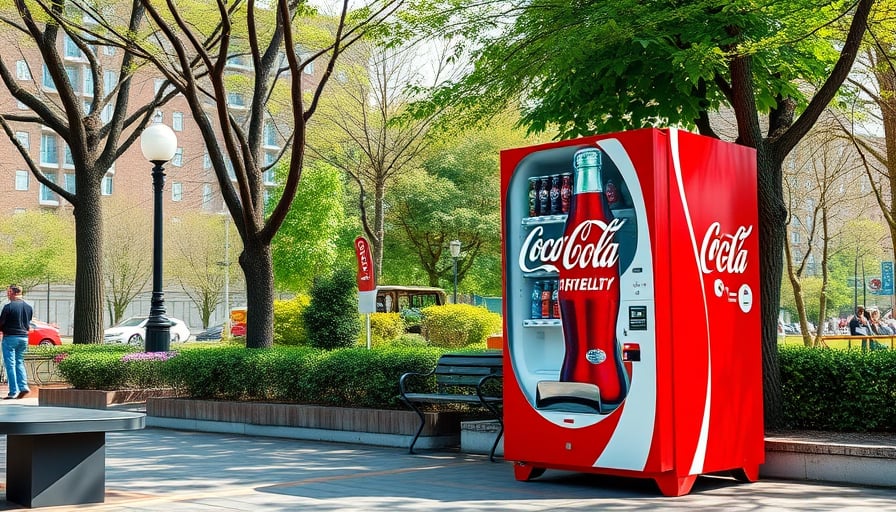
Concurrently, Coca‑Cola has intensified its brand presence by launching a large‑scale marketing initiative in Rome. The activation, timed to coincide with the forthcoming 2026 Winter Olympic Games, leverages the city’s status as a major cultural and sporting hub to increase visibility among a global audience. The campaign incorporates digital engagement, experiential pop‑up events, and partnerships with local sports organizations to reinforce the brand’s association with athletic performance and global unity.
From a strategic standpoint, this initiative aligns with Coca‑Cola’s broader effort to differentiate its portfolio in a crowded beverage market. By associating the brand with high‑profile sporting events, the company seeks to reinforce consumer perceptions of quality, refreshment, and lifestyle alignment—elements that resonate strongly with younger demographics.
Broader Economic Context
The dual focus on operating efficiency and brand activation reflects a broader industry trend toward balancing cost discipline with marketing spend to sustain profitability in uncertain economic climates. Beverage manufacturers, particularly in the non‑alcoholic segment, have faced rising commodity costs, shifting consumer preferences toward healthier options, and intense competitive pressures from both established and niche players.
Coca‑Cola’s modest margin expansion underscores the effectiveness of disciplined cost management in mitigating the impact of volatile currency rates—a challenge shared across many multinational corporations. Meanwhile, its investment in Olympic‑era marketing illustrates the importance of strategic brand positioning to capture consumer attention in a crowded marketplace.
Competitive Positioning and Market Dynamics
In the broader beverage sector, Coca‑Cola competes with a mix of global giants (e.g., PepsiCo) and regional specialists that offer differentiated product lines such as organic teas, low‑calorie drinks, and ready‑to‑drink coffees. The company’s ability to maintain operating margins while expanding brand engagement suggests a robust competitive advantage rooted in scale, distribution reach, and brand equity.
Key drivers of market performance for Coca‑Cola include:
| Driver | Impact |
|---|---|
| Currency fluctuations | Short‑term margin pressure |
| Input cost volatility | Operational cost control critical |
| Consumer trend toward health | Product innovation pipeline |
| Global events (e.g., Olympics) | Brand activation opportunities |
| Digital engagement | Direct consumer touchpoints |
Coca‑Cola’s strategy of coupling operational excellence with high‑visibility brand activations positions the company well to navigate the evolving competitive landscape and capitalize on emerging consumer trends.
Conclusion
The company’s reported improvement in operating efficiency, even under challenging currency conditions, demonstrates effective cost‑control measures and operational resilience. At the same time, its strategic marketing push in Rome ahead of the 2026 Winter Olympic Games highlights a sustained commitment to brand relevance and consumer engagement. Together, these developments reinforce Coca‑Cola’s positioning as a leader that balances disciplined financial management with proactive brand positioning in a dynamic global economy.