Corporate News Brief
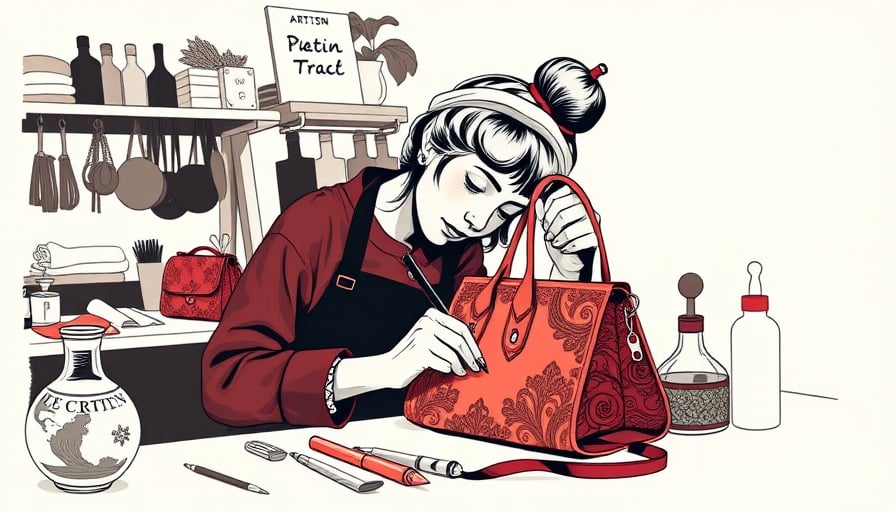
Tapestry Inc., the parent company of Coach, announced the relaunch of a new variant of its Coach Tabby Bag, a flagship item that has long been associated with luxury fashion. The German‑language report highlights that the bag will be reintroduced as a timeless classic, featuring fresh design iterations intended to rejuvenate consumer appeal. While the brief does not disclose pricing details or projected sales figures, it indicates that Tapestry is actively seeking to reinforce its brand position within the high‑end segment.
Strategic Context
Brand Reinforcement in a Saturated Luxury Market The luxury fashion landscape continues to be dominated by a handful of heritage houses that rely on heritage and exclusivity to sustain premium pricing. By relaunching an iconic product, Tapestry demonstrates an understanding that legacy assets can be leveraged to maintain brand relevance without the need for entirely new product categories.
Incremental Innovation versus Radical Redesign The decision to refresh rather than overhaul the Tabby Bag aligns with a broader trend among established luxury brands that favor incremental updates. This approach reduces risk, preserves core brand equity, and allows for quick adaptation to changing consumer preferences—particularly among younger affluent shoppers who value both heritage and contemporary design cues.
Cross‑Sector Synergies The fashion industry increasingly draws inspiration from adjacent sectors such as technology and sustainability. While the brief does not mention any sustainable materials or tech integrations, the timing of the relaunch coincides with a wave of consumer expectations for eco‑friendly luxury goods. If Tapestry incorporates such elements, it could create a compelling narrative that bridges fashion with the broader sustainability movement.
Market Drivers
Shifts in Consumer Demographics Millennials and Gen Z are now a larger portion of the luxury spenders, yet they differ from earlier affluent cohorts in their preference for authenticity, storytelling, and ethical production. The refreshed Tabby Bag could be positioned to meet these preferences by emphasizing heritage craftsmanship and potential sustainable sourcing.
E‑commerce and Direct‑to‑Consumer Growth The pandemic accelerated the shift to online retail. By launching a new variant online first, Tapestry could generate immediate buzz and capture data on consumer engagement, thereby informing future product development and pricing strategies.
Competitive Positioning Competitors such as Michael Kors and Kate Spade have also introduced refreshed product lines, signaling a broader industry response to evolving consumer tastes. Tapestry’s relaunch is therefore a strategic move to avoid being perceived as stagnant and to keep its brand in the conversation of high‑end lifestyle choices.
Economic and Fundamental Considerations
Cost Structure and Margins Luxury goods typically enjoy higher gross margins compared to mass‑market apparel. By re‑introducing an existing product, Tapestry can capitalize on economies of scale in manufacturing while keeping development costs lower than for an entirely new line. This conserves capital and preserves cash flow, which is particularly valuable in volatile market conditions.
Brand Equity and Pricing Power Maintaining a strong brand allows Tapestry to command premium pricing even in a price‑sensitive environment. A refreshed classic product can reinforce consumer perception of exclusivity, thereby supporting sustained pricing power.
Supply Chain Resilience The global supply chain disruptions of recent years have prompted luxury brands to diversify sourcing and strengthen local production capabilities. While not explicitly stated, a new variant launch presents an opportunity to incorporate more resilient sourcing strategies, further protecting against future disruptions.
Conclusion
Tapestry Inc.’s relaunch of the Coach Tabby Bag represents a calculated effort to blend heritage with contemporary relevance. By opting for incremental innovation, the company seeks to strengthen its foothold in the high‑end market while navigating broader economic trends such as shifting consumer demographics, sustainability demands, and the acceleration of digital retail. The move underscores the importance of adaptive strategy within established product lines, reinforcing the notion that longevity and relevance can coexist in today’s dynamic luxury landscape.