
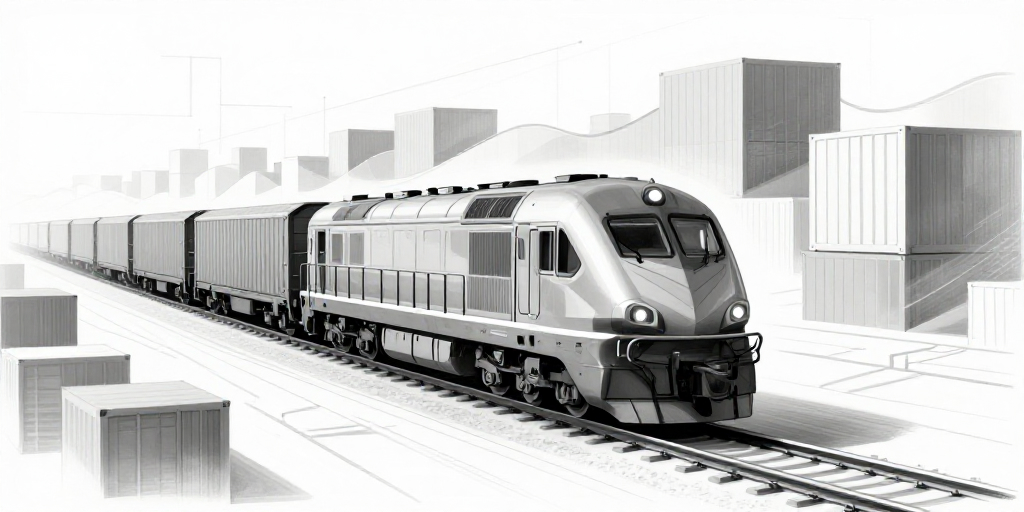
Canadian National Railway Co. Attains 52‑Week Record Amid Shifting Analyst Outlook
Canadian National Railway Co. (CN) has recently achieved a new 52‑week high, with its shares trading at a level that signals growing confidence in North American transport infrastructure. The rally reflects a broader reassessment of the sector, as market participants weigh the company’s ability to navigate rising operating costs while preserving operational efficiency.
Earnings Anticipation and Cost Management
Investors are poised to evaluate CN’s first‑quarter earnings, slated for release at the end of April. Analysts project that the report will showcase the firm’s capacity to contain escalating expenses—particularly in fuel, labor, and equipment depreciation—while sustaining service quality. Early signals from the fourth quarter of the prior year underscored robust productivity, with notable gains in grain and oil freight segments. These sectors, which benefit from seasonal commodity demand and long‑haul routes, contributed to an overall increase in throughput.
Traffic and Performance Dynamics
Despite a modest uptick in freight volume, recent traffic data indicates a slight reduction in average train speeds. This trend may reflect capacity constraints or shifting cargo mixes, but it also underscores the company’s focus on maintaining safety and reliability. Analysts will scrutinize how CN balances these operational metrics with the need to meet customer delivery expectations in a market where rail and trucking competition intensifies.
Analyst Sentiment Shift
Market coverage has recorded a notable shift in analyst sentiment. Several brokerage houses have upgraded their ratings from neutral to buy and raised target prices, citing CN’s solid positioning within the regional infrastructure network. The upgrades suggest that the company’s asset base—encompassing extensive track mileage, modern locomotives, and strategic intermodal hubs—offers resilience against market volatility. Furthermore, CN’s diversified service portfolio, which spans grain, oil, forest products, and intermodal traffic, provides a buffer against cyclical downturns in any single sector.
Management Outlook and External Headwinds
While the outlook remains cautiously optimistic, management has highlighted potential headwinds. International container shipping dynamics, particularly those affecting the flow of imported goods across the U.S.‑Canada corridor, could compress rail freight volumes. Additionally, the transport of forest products—an industry subject to commodity price swings and regulatory changes—poses a risk to revenue stability. CN’s leadership acknowledges these factors, emphasizing the need for strategic hedging and operational flexibility.
Broader Economic Context
CN’s performance cannot be divorced from macroeconomic forces shaping the transportation industry. Rising crude oil prices, fluctuating freight rates, and evolving trade policies influence cost structures and demand elasticity. Moreover, the company’s ability to attract capital for infrastructure upgrades aligns with broader national priorities to enhance supply chain resilience. As such, CN’s forthcoming earnings report will likely serve as a barometer for how well the rail sector can offset cost pressures and sustain profitability in a dynamic economic environment.
Investor Considerations
Investors will weigh multiple dimensions—cost control effectiveness, traffic growth trends, and exposure to commodity markets—when determining whether to maintain or adjust their holdings in CN. The upcoming earnings release will provide empirical data on revenue growth, margin performance, and management’s strategic initiatives. Until then, the market remains attentive to CN’s operational metrics and macroeconomic signals that may influence the company’s trajectory within the North American transport landscape.