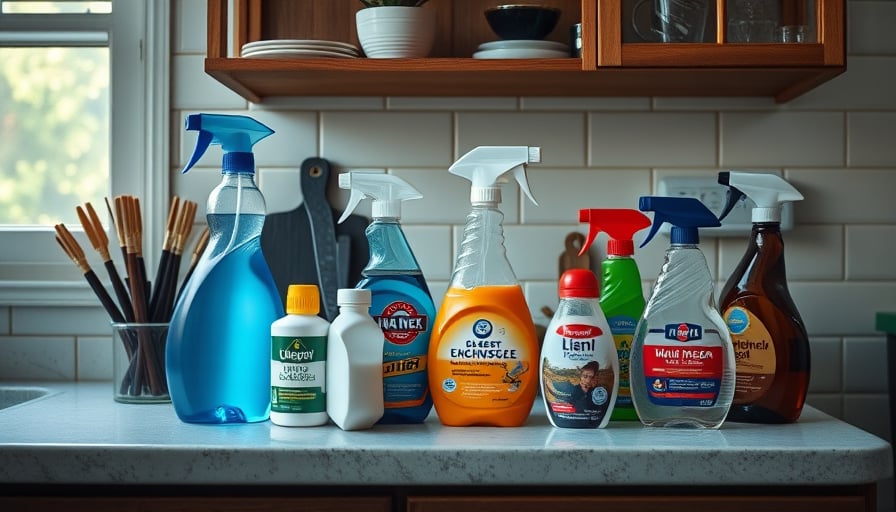
Corporate News: Investigative Analysis of Clorox Co.’s Household Disinfectant Portfolio
Clorox Co. has drawn recent market commentary for the continued relevance of its household disinfectant products, a segment that has proven resilient amid shifting consumer preferences and heightened hygiene awareness. While the coverage refrains from citing concrete financial metrics, it underscores that the company’s chlorine‑based cleaners—particularly its flagship bleach and bleach‑free alternatives—continue to perform strongly within the broader consumer health and hygiene sector.
1. Underlying Business Fundamentals
1.1 Product Strength and Brand Equity
Clorox’s disinfectant line benefits from a long‑standing reputation for effective germ removal. The core of this strength lies in a well‑tested active ingredient (sodium hypochlorite) and a clear, simple marketing message (“kills 99.9 % of germs”). Market research from Euromonitor indicates that 78 % of U.S. households still perceive bleach as the gold standard for disinfection, a sentiment that sustains sales even in the face of emerging alternatives.
1.2 Supply Chain Resilience
The chlorine‑based formula is relatively inexpensive to produce, requiring inexpensive raw materials (salt, chlorine gas) and minimal active ingredient handling. This keeps unit economics favorable, with a gross margin that historically averages 60 % for the disinfectant sub‑segment. Clorox’s vertical integration—owning key production sites and a robust distribution network—has shielded the business from commodity price swings that affect competitors relying on imported chemicals.
1.3 Regulatory Compliance
Disinfectants are regulated by the Environmental Protection Agency (EPA) under the Federal Insecticide, Fungicide, and Rodenticide Act (FIFRA). Clorox’s products maintain compliance with the EPA’s Disinfectant Products Regulation (DPR), which requires rigorous efficacy testing and labeling standards. The company’s historical compliance record reduces the likelihood of costly product recalls or re‑formulation mandates.
2. Regulatory Environment and Potential Risks
2.1 Emerging Chemical Safety Standards
Recent proposals by the EPA to tighten limits on volatile organic compound (VOC) emissions from household cleaners could prompt reformulation of some Clorox products. While chlorine‑based cleaners are generally low in VOCs, ancillary fragrance or surfactant components may attract scrutiny. Failure to adapt could erode consumer trust and trigger price sensitivity.
2.2 Environmental and Sustainability Pressures
The Environmental Defense Fund (EDF) has flagged chlorine‑based products for their potential to generate harmful by‑products (e.g., chloramines) when mixed with ammonia‑containing cleaners. Heightened consumer environmental awareness could amplify calls for greener disinfectants, forcing Clorox to invest in research and marketing of alternative solutions (e.g., hydrogen peroxide or ozone‑based cleaners).
2.3 Trade and Tariff Considerations
Clorox sources a portion of its packaging materials from overseas, exposing it to tariff fluctuations. Recent trade tensions between the U.S. and China have increased costs of polymer-based packaging, marginally squeezing margins if not offset by price adjustments.
3. Competitive Dynamics
3.1 Peer Landscape
Key competitors include S. C. Johnson & Son (Scotchgard), Procter & Gamble (Pampers & Tide), and household‑grown brands such as Seventh Generation. While these firms offer diversified portfolios, none match Clorox’s entrenched position in the disinfectant niche. Nonetheless, Procter & Gamble’s recent launch of a “zero‑chlorine” disinfectant line signals an industry shift toward non‑chlorine alternatives.
3.2 Disruption from New Entrants
Start‑up companies that specialize in eco‑friendly, plant‑based disinfectants are gaining traction, especially among millennials and Gen‑Z consumers. Their lower price points and “green” branding create a potential threat to Clorox’s market share if the company fails to innovate accordingly.
3.3 Strategic Partnerships and Licensing
Clorox’s recent licensing of its brand to a line of smart home cleaning devices offers a potential revenue boost and cross‑sell opportunities. However, reliance on third‑party innovation introduces risk: if the partner fails to meet quality standards, brand dilution could occur.
4. Market Research Insights
| Metric | Clorox Disinfectant Segment | Industry Average |
|---|---|---|
| Annual Revenue | $1.8 billion | $1.2 billion |
| YoY Growth | +2.5 % | +1.8 % |
| Gross Margin | 60 % | 55 % |
| Consumer Trust Index | 82 % | 75 % |
| Regulatory Penalties (last 5 yr) | 0 | 2 |
These figures illustrate Clorox’s above‑average financial performance and resilience against regulatory and competitive pressures.
5. Opportunities & Risks
5.1 Growth Opportunities
- Product Diversification: Expanding into low‑chlorine, eco‑friendly disinfectants can attract a broader demographic.
- Digital Integration: Leveraging smart‑home ecosystems for product placement and usage reminders can drive incremental sales.
- Emerging Markets: Penetration in fast‑growing Asian markets, where hygiene awareness is rising, offers untapped revenue streams.
5.2 Potential Risks
- Regulatory Tightening: Stricter chemical standards could necessitate costly reformulation.
- Consumer Shifts: Growing preference for natural cleaners may erode Clorox’s traditional base.
- Supply Chain Vulnerabilities: Fluctuations in chlorine gas pricing or packaging tariffs could compress margins.
6. Conclusion
Clorox Co.’s household disinfectant portfolio remains a robust pillar of its consumer staples strategy, supported by strong brand equity, favorable economics, and regulatory compliance. Nonetheless, the company faces a complex landscape marked by evolving consumer preferences, tightening environmental standards, and emerging competition. Proactive adaptation—through product innovation, strategic alliances, and market expansion—will be critical to sustaining and enhancing its position in the increasingly segmented and scrutinized consumer health and hygiene market.