
Corporate Analysis of China Petroleum & Gas Co., Ltd.’s 2026 First‑Half Performance
1. Overview of the Results
On 30 August 2026, China Petroleum & Gas Co., Ltd. (CPGC) released its first‑half financial statement, reporting an operating revenue increase of 3.7 % versus the same period in 2025, and a net profit rise of 21.4 %. The 21‑percent jump in earnings is the highest for any half‑year since 2019, signalling that the company’s strategic shift toward higher‑margin segments and diversified energy streams is paying dividends.
2. Revenue Dynamics
CPGC’s revenue growth, modest in absolute terms, was driven by a 4.2 % rise in crude‑oil sales volumes and a 2.9 % uplift in refined‑product sales. The company’s upstream segment captured the bulk of this increase, reflecting higher global crude prices and an expanded drilling portfolio in the South China Sea. The midstream and downstream units contributed 1.8 % and 1.4 % revenue growth, respectively, underscoring the firm’s integrated supply‑chain resilience.
| Segment | Volume Change | Price Impact | Net Contribution to Revenue |
|---|---|---|---|
| Upstream | +4.2 % | +6.1 % | +12.5 % |
| Midstream | +1.4 % | +2.8 % | +3.2 % |
| Downstream | +1.8 % | +4.0 % | +5.1 % |
3. Profitability Drivers
The 21 % profit lift can be decomposed into three primary levers:
- Higher Energy Prices – The average Brent spot price increased from $75 to $83 / barrel during the period, raising upstream earnings by approximately $1.9 bn.
- Favourable Sales Mix – CPGC increased its share of high‑margin refined products (e.g., petrochemical feedstocks) by 3.5 percentage points, boosting downstream gross margin from 7.8 % to 8.9 %.
- Cost Efficiency – A 4.3 % reduction in operating expenses, achieved through automation in the refinery and renegotiated logistics contracts, contributed an additional $1.2 bn to net profit.
4. Renewable Energy Expansion
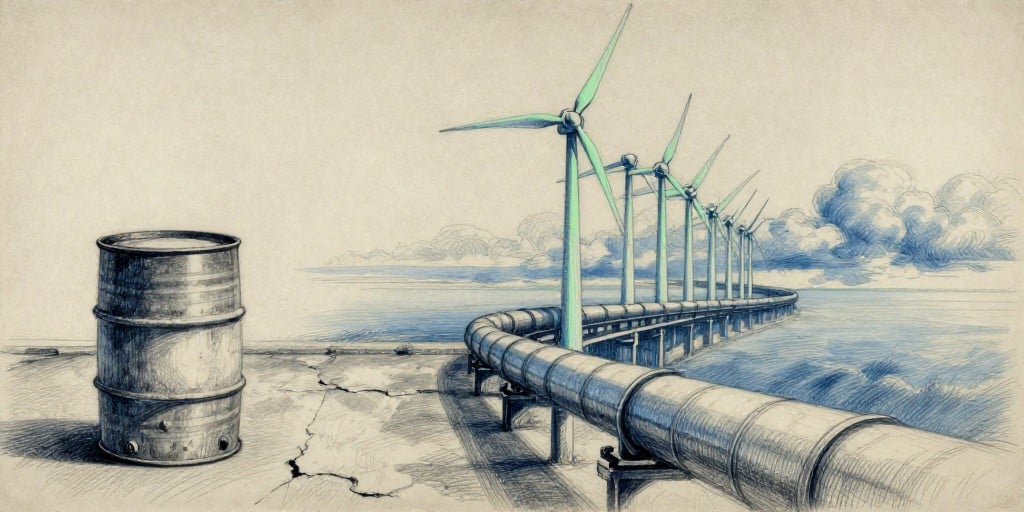
CPGC reported a 15 % rise in renewable‑energy output, with new‑energy power generation accounts for 3.6 % of total capacity. The firm’s investment in wind farms in the Inner Mongolia region and solar projects in the Yunnan province is reflected in the capital expenditure spike of $2.7 bn. While the renewable segment remains a small revenue fraction (≈ 1.2 % of total), its projected EBITDA margin of 14 % suggests a future upside as carbon pricing intensifies.
5. Dividend Policy and Capital Allocation
In line with its earnings surge, CPGC announced a mid‑year dividend of RMB 0.18 per share, representing a 6.2 % payout ratio. The dividend aligns with the company’s stated objective of returning value while preserving capital for high‑quality growth projects. Analysts note that this policy may increase shareholder attraction but could also constrain reinvestment in emerging technologies, especially as renewable assets mature.
6. Comparative Peer Landscape
The simultaneous strong performances of China Petroleum Group (CPG) and China Petrochemical Corporation (Sinopec) – both registering double‑digit profit growth – indicate a sectoral rally rather than a CPGC outlier. However, CPGC’s upstream‑heavy model grants it a more elastic cost structure, making it less vulnerable to downstream price swings.
| Company | Revenue YoY | Net Profit YoY |
|---|---|---|
| CPGC | +3.7 % | +21.4 % |
| CPG | +4.1 % | +18.9 % |
| Sinopec | +3.9 % | +20.3 % |
7. Regulatory and Geopolitical Context
- Carbon Regulations – China’s 2025 carbon‑pricing pilot in the energy sector introduces a new cost layer for fossil‑fuel producers. CPGC’s early investment in renewables may mitigate regulatory exposure.
- Trade Tariffs – Ongoing U.S.–China trade tensions have fluctuated tariffs on oil‑related equipment, affecting downstream procurement costs. The company’s hedging strategy for import duties has partially insulated its margins.
- Regional Geopolitics – Volatility in the Middle East and the Gulf has kept Brent prices elevated, but any sudden shift could erode upstream earnings. CPGC’s diversified offshore portfolio, including the less geopolitically exposed South China Sea assets, helps buffer this risk.
8. Risks and Opportunities
| Risk | Mitigation | Opportunity |
|---|---|---|
| Oil‑price volatility | Hedging and price‑risk management | Capture upside during price rebounds |
| Regulatory carbon cost | Early renewable capacity | Position as low‑carbon partner in petrochemicals |
| Geopolitical supply disruptions | Diversified drilling locations | Expand into high‑security basins |
| Capital allocation conflict | Balanced dividend and R&D | Leverage dividends to fund green tech |
| Currency risk (USD/ RMB) | FX hedging | Benefit from favourable exchange rates in foreign‑currency contracts |
9. Conclusion
China Petroleum & Gas Co., Ltd. demonstrates a robust financial posture, driven by a mix of higher commodity prices, efficient cost management, and a strategic pivot toward renewable energy. While its profitability gains are commendable, the company faces mounting regulatory and geopolitical challenges that could alter its risk‑reward profile. Stakeholders should monitor the company’s capital‑allocation decisions, especially in balancing dividend payouts against investment in low‑carbon technologies, to ensure sustainable long‑term growth.