
Corporate News Analysis: Chevron’s Strategic Moves Amidst Global Energy Dynamics
On July 10, 2026, U.S. equity markets registered modest gains across all major indices, with the technology sector delivering a noticeable lift. Within the energy and industrial landscape, Chevron Corp. emerged as a focal point due to several strategic developments that underscore its dual focus on long‑term supply security and expanding international influence.
1. Long‑Term Gas Supply Agreement with Alinta Energy
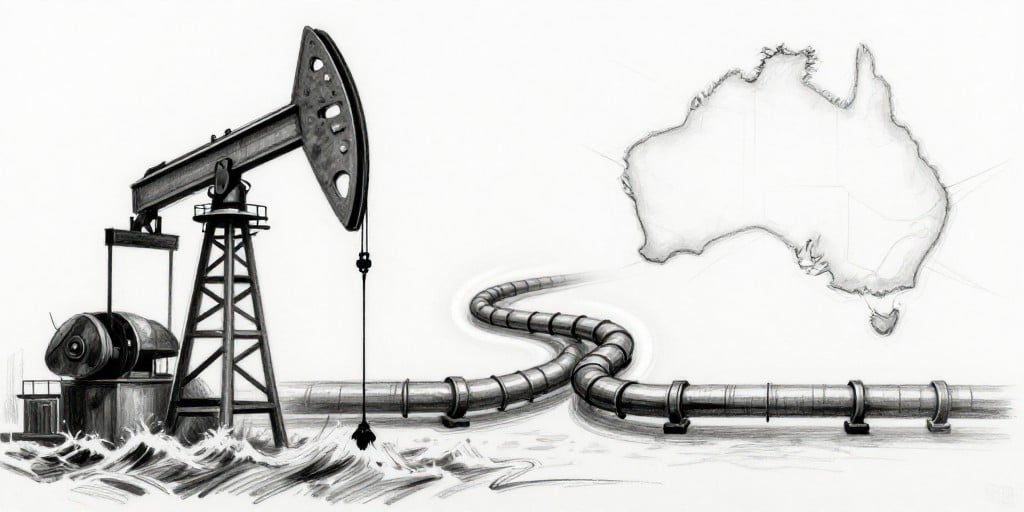
Chevron announced a five‑year natural‑gas supply agreement with Australia’s Alinta Energy, securing a steady volume of gas sourced from the company’s Gorgon, Wheatstone and North West Shelf assets. The contract does not involve any transfer of ownership or disclosure of financial terms, but it signals Chevron’s intent to reinforce the domestic gas market in Western Australia. From an operational standpoint, the agreement aligns with Chevron’s broader strategy of diversifying supply chains and mitigating volatility in global commodity prices.
Key industry dynamics reflected in this deal include:
- Geopolitical Stability: Australia’s political environment remains stable, reducing geopolitical risk for long‑term energy contracts.
- Resource Quality: The Gorgon, Wheatstone and North West Shelf fields are among the world’s largest natural‑gas reservoirs, ensuring consistent supply quality.
- Regulatory Framework: The Australian government’s supportive stance on renewable transition and domestic gas production enhances the attractiveness of such agreements.
2. Expanding Presence in Venezuela
Concurrent with the Australian agreement, Chevron’s role in the Venezuelan oil sector was highlighted in discussions surrounding the interim Venezuelan government’s newly issued oil regulations. These regulations open the sector to private operators, building upon arrangements that placed Chevron in operational control of PDVSA assets since 2022. While the Venezuelan agreement does not directly impact Chevron’s U.S. operations, it underscores the company’s continued involvement in high‑risk, high‑reward international oil and gas development.
Competitive positioning considerations:
- Asset Control: Operational control over PDVSA assets provides Chevron with a foothold in one of the world’s largest oil reserves.
- Risk Mitigation: By diversifying into both gas and oil, Chevron balances portfolio risk across commodity cycles.
- Regulatory Engagement: Active participation in shaping foreign regulatory environments enhances Chevron’s strategic leverage.
3. Investor Perspective: Dividend Aristocrat Status
Domestically, Chevron’s stock continued to attract analyst attention, featuring on a list of dividend‑aristocrat equities recommended for purchase. The company’s dividend payout ratio remained well above 100 %, a notable metric that signals robust cash generation relative to earnings. Analysts cited a potential upside based on recent earnings estimates, even as the share price experienced a modest decline at the close of the trading day.
Financial performance insights:
- Cash Flow Strength: High payout ratios suggest a strong capacity to return capital to shareholders.
- Earnings Forecasts: Positive earnings estimates imply confidence in future operational profitability.
- Market Sentiment: Share price movement reflects broader market dynamics rather than fundamental deterioration.
4. Strategic Implications and Broader Economic Trends
Chevron’s recent activities illustrate a coherent strategy that interweaves long‑term supply contracts with an active international presence. This duality is reflective of several broader economic trends:
| Trend | Chevron’s Response | Economic Impact |
|---|---|---|
| Energy Transition | Maintaining gas supply agreements in stable markets | Supports low‑carbon pathways while preserving revenue |
| Geopolitical Volatility | Operating in both stable (Australia) and high‑risk (Venezuela) environments | Diversifies geopolitical exposure |
| Capital Allocation | High dividend payout, yet maintaining investment in exploration | Balances shareholder returns with growth investment |
| Market Consolidation | Negotiating long‑term supply contracts | Strengthens market position against competitors |
By securing a five‑year natural‑gas agreement in Australia and continuing to leverage operational control in Venezuela, Chevron is reinforcing its supply chain resilience while maintaining a robust global footprint. The company’s financial metrics, notably its high dividend payout and positive earnings outlook, provide a compelling narrative for investors seeking both income and growth potential in an era of shifting energy dynamics.
In summary, Chevron’s recent strategic moves emphasize a commitment to long‑term supply stability, diversified international operations, and a shareholder‑friendly financial policy—factors that collectively enhance its competitive positioning across the energy sector and resonate with broader economic trends shaping the global market.