Corporate Performance and Strategic Outlook
Cheniere Energy Inc. released its fourth‑quarter 2025 results, reporting a record level of LNG exports and a notable improvement in operating profit and cash flow. Management emphasized that year‑end financials exceeded market expectations, positioning the company as a leading player in the global LNG market.
Financial Highlights
- Export Volume – Q4 2025 LNG exports surpassed all previous quarterly highs, reflecting sustained demand in both the United States and European markets.
- Operating Profit – The company recorded a 15 % year‑over‑year increase in operating profit, driven by higher spot prices and efficient cost management.
- Cash Flow – Operating cash flow grew by 20 %, providing ample liquidity for upcoming capital‑allocation initiatives.
Cheniere’s management cited a combination of favorable commodity pricing, strategic contracting, and robust operational execution as key contributors to the strong performance.
2026 Guidance and Capacity Expansion
In its latest forward‑looking statement, Cheniere outlined a target for adjusted EBITDA for 2026, projecting a 12–15 % rise relative to 2025 levels. The company also announced plans to expand its LNG production capacity by an additional 0.5 billion standard cubic feet per day (bscf/d) through the completion of the Pioneer project and the phased addition of two new liquefaction units at the Sabine Terminal.
Analysts have responded to these developments by raising their price targets for the stock, reflecting confidence in Cheniere’s ability to sustain growth amid a tightening supply landscape and increasing global demand for cleaner fuels. The guidance underscores the firm’s commitment to maintaining a competitive edge through incremental capacity and cost efficiencies.
Tax‑Credit Payout and Regulatory Commentary
Cheniere secured a substantial tax‑credit payout from the Internal Revenue Service (IRS) for its utilization of LNG as an alternative fuel. The credit, amounting to $120 million, was awarded under the Alternative Fuel Credit provision of the IRS Code. The payout has attracted scrutiny regarding the interpretation of the credit’s eligibility criteria, with some industry observers questioning the alignment between the credit’s intent and its application to large‑scale LNG production.
From a regulatory standpoint, this episode highlights the evolving nature of federal incentives for low‑carbon energy carriers and underscores the importance of navigating policy frameworks that support long‑term investment in LNG infrastructure.
Capital Allocation and Share Repurchase Program
Cheniere confirmed the successful completion of its “20/20 Vision” program, a multi‑year capital‑allocation strategy aimed at optimizing the company’s asset base while enhancing shareholder value. Building on this milestone, management authorized an additional $1.5 billion in share repurchases for the 2025–2026 fiscal years, signaling confidence in the firm’s balance‑sheet strength and long‑term profitability.
The repurchase program is expected to bolster earnings per share (EPS) and reinforce investor confidence in Cheniere’s growth trajectory.
Maritime Logistics Expansion
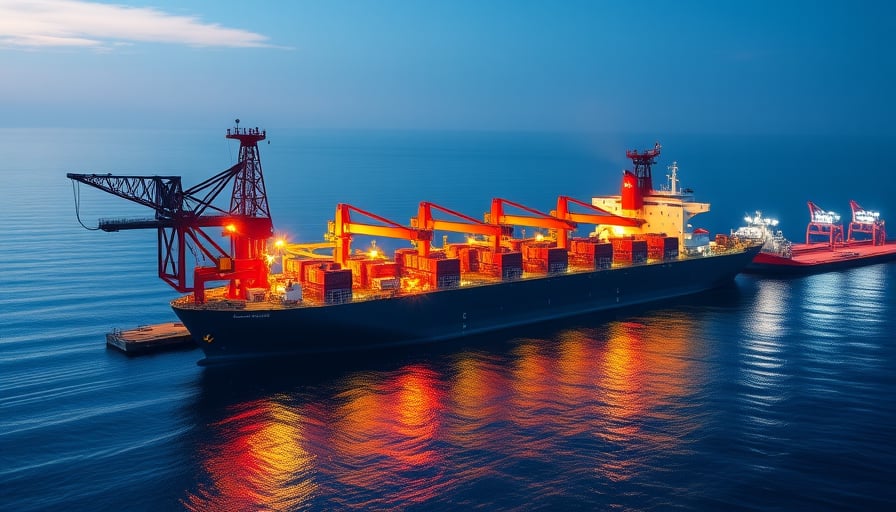
In maritime operations, Cheniere exercised an option under its Ocean Yield partnership to increase the number of LNG carriers under its logistics umbrella. The addition of three new vessels—each with a capacity of 155,000 m³—expands the firm’s reach across key shipping routes, including the North Atlantic and the Trans‑Pacific corridor.
This expansion not only enhances Cheniere’s ability to meet rising export volumes but also positions the company to capitalize on emerging opportunities in the maritime LNG transport sector, which is experiencing accelerated growth due to decarbonization mandates in shipping and port operations.
Cross‑Sector Implications
Cheniere’s robust performance and strategic initiatives intersect with broader industry trends. The LNG market is increasingly influenced by:
- Energy Transition Dynamics – Growing demand for low‑carbon fuels is driving investment in LNG infrastructure worldwide.
- Commodity Price Volatility – Fluctuations in natural gas prices directly impact export volumes and profitability.
- Regulatory Evolution – Shifting tax incentives and environmental regulations shape capital‑allocation decisions.
- Logistics Integration – The expansion of maritime fleets aligns with global trends toward integrated supply chains that reduce carbon footprints.
By leveraging its operational efficiencies, capital‑allocation discipline, and expanding logistics network, Cheniere is well‑positioned to navigate these cross‑sector forces and sustain its leadership role in the LNG value chain.