Corporate News Analysis: Coca‑Cola Europacific Partners plc and the Shifting Consumer Landscape
Coca‑Cola Europacific Partners plc (CCEP) disclosed a series of routine corporate actions on March 20, 2026 that were mirrored in its trading activity. The company’s share price moved in tandem with the broader European equity market, which experienced a moderate decline amid heightened interest‑rate expectations and geopolitical tensions. In this environment, CCEP’s shares fell only slightly, aligning with the performance of other consumer‑goods peers.
Routine Corporate Actions in a Volatile Market
On March 19, 2026, CCEP executed a share buyback that involved the purchase of 45,000 ordinary shares on U.S. trading venues and 56,413 shares on London venues. These shares were subsequently cancelled. This transaction is part of a broader buyback program announced earlier in February, under which the company intends to repurchase up to a substantial amount of ordinary shares in the near future. Prices paid varied slightly across venues but generally reflected the company’s market valuation at the time.
Concurrently, senior executives—including Chief Financial Officer Edward Walker, General Counsel Clare Wardle, Chief Commercial Officer Stephen Lusk, Regional Manager Leendert den Hollander, and General Manager Stephen Moorhouse—acquired small blocks of ordinary shares under the UK Share Plan. These transactions took place on Nasdaq and involved a few thousand shares per executive, with the weighted‑average price aligning with the prevailing market level.
No material changes to the company’s capital structure, dividend policy, or strategic direction were reported. The share buyback and executive purchases are routine actions intended to support the balance sheet and align management interests with shareholders. The net effect on the share price was modest and consistent with the broader market trend observed that day.
Linking Corporate Actions to Consumer‑Sector Opportunities
Digital Transformation Meets Physical Retail
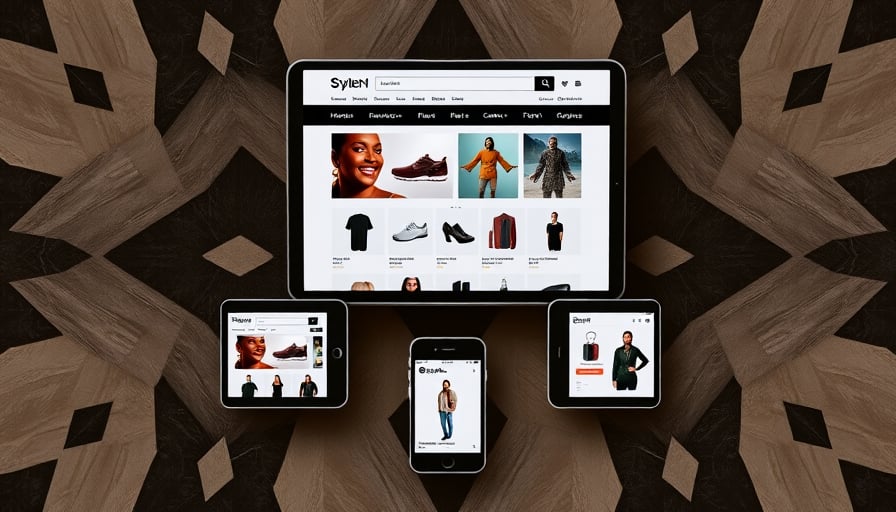
The consumer sector is currently navigating the convergence of digital and physical retail channels. Shoppers increasingly use mobile apps to research products, then visit brick‑and‑mortar stores for tactile experiences, or vice versa. This omnichannel behavior creates opportunities for brands that can synchronize online and offline touchpoints.
For CCEP, the continued emphasis on a robust supply chain and retail partnerships positions the company to leverage data‑driven inventory management, reducing waste while ensuring product availability at the right place and time. Digital tools such as AI‑powered demand forecasting can further refine shelf placements, enhancing the consumer’s in‑store experience while supporting online sales.
Generational Spending Patterns
Millennials and Gen Z now represent a larger share of beverage consumption, yet they differ markedly from older cohorts in their purchasing motivations. These groups prioritize sustainability, experiential value, and personalized offerings. Their propensity to share lifestyle moments on social media translates into powerful word‑of‑mouth marketing.
Brands that can embed sustainability into packaging, supply‑chain transparency, and community engagement will resonate with these consumers. CCEP’s existing initiatives—such as responsible sourcing and local community sponsorship—provide a foundation to deepen engagement, especially as younger consumers scrutinize brand ethics before making purchase decisions.
Cultural Movements and Brand Narrative
The rise of wellness consciousness, plant‑based diets, and “slow‑life” lifestyles influences beverage preferences. Consumers increasingly seek drinks that align with health goals and ethical values.
CCEP’s portfolio, which spans traditional sodas, sparkling waters, and ready‑to‑drink teas, can be repositioned to tap into these cultural currents. Highlighting low‑sugar, natural‑ingredient options and incorporating storytelling around local heritage or sustainable practices can differentiate the brand in a crowded marketplace.
Forward‑Looking Analysis: Market Opportunities for CCEP
Omnichannel Optimization By integrating digital inventory signals with in‑store analytics, CCEP can reduce stockouts and overstock, improving both customer satisfaction and operating margins.
Sustainability‑Driven Product Lines Introducing recyclable or biodegradable packaging and expanding plant‑based beverage offerings can attract eco‑conscious consumers, especially Millennials and Gen Z, thereby opening new revenue streams.
Data‑Enabled Personalization Leveraging customer loyalty data to tailor promotions and product recommendations can increase repeat purchase rates, particularly in e‑commerce channels where consumers expect a personalized experience.
Experiential Retail Partnerships Co‑creating pop‑up events or themed in‑store experiences can convert impulse purchases into memorable moments that encourage social media sharing, amplifying brand visibility at a relatively low cost.
Strategic Capital Allocation The ongoing share‑buyback program signals confidence in the company’s intrinsic value and provides flexibility to invest in high‑growth initiatives. Maintaining a disciplined capital‑allocation framework will ensure that returns to shareholders remain competitive while supporting long‑term strategic objectives.
Conclusion
CCEP’s recent corporate actions—share buybacks and executive acquisitions—are routine measures that reinforce financial stewardship and shareholder alignment. However, the true opportunity lies in how the company can translate macro‑trends—digital‑physical convergence, generational spending shifts, and evolving cultural narratives—into tangible consumer‑experience innovations. By strategically investing in omnichannel capabilities, sustainability, personalization, and experiential retail, CCEP can not only weather market volatility but also capitalize on emerging consumer preferences, driving resilient growth in an increasingly dynamic sector.