
Corporate Developments at Coca‑Cola Europacific Partners PLC
Coca‑Cola Europacific Partners PLC (CCEP), a leading producer of consumer‑staple beverages listed on the London Stock Exchange, has announced a series of initiatives that underscore its dual commitment to shareholder value and environmental stewardship. The company will continue its share‑buyback programme with fresh purchases, reinforcing confidence in its long‑term profitability. Simultaneously, CCEP is piloting an innovative multipack packaging solution in Germany that replaces conventional plastic film with a recyclable cardboard system. This pilot, conducted in selected Penny markets, is designed to cut packaging waste and align the brand with the growing consumer demand for sustainable products. In the United Kingdom, the company’s Edmonton production facility celebrated its 50th anniversary, a milestone that highlights CCEP’s enduring operational presence and its capacity to adapt to evolving market dynamics.
Strategic Editorial Perspective
Consumer‑Goods Trends and Retail Innovation
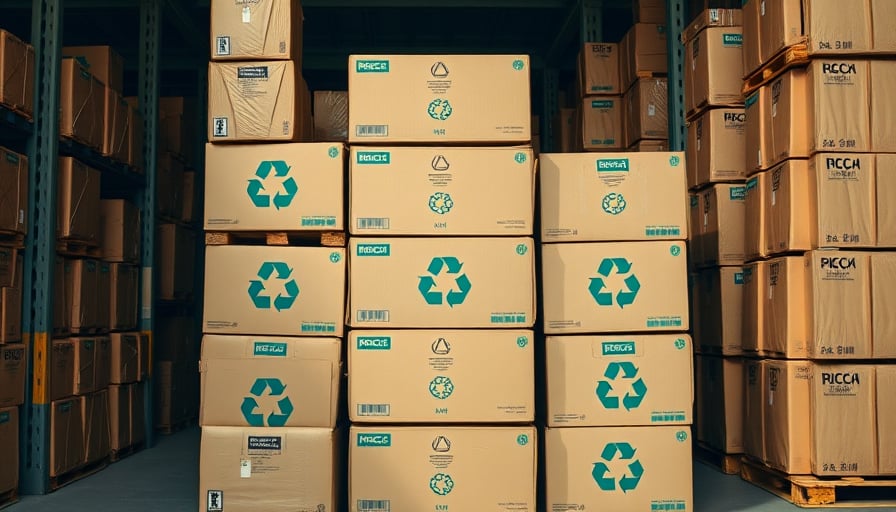
The beverage sector is witnessing a decisive shift toward packaging that meets environmental expectations while maintaining performance and convenience. CCEP’s cardboard multipack initiative reflects broader industry momentum toward recyclable and compostable materials, a trend accelerated by regulatory pressure and consumer activism. By partnering with Penny markets—an influential high‑street retailer—CCEP taps into an established distribution network that values sustainability, thereby reinforcing its retail innovation credentials.
Brand Positioning in an Omnichannel Landscape
Omnichannel retailing remains a pivotal growth engine for consumer goods. CCEP’s pilot in Germany demonstrates a strategic move to integrate sustainability into the omnichannel experience, where online and in‑store channels converge. The packaging innovation not only reduces environmental impact but also serves as a visible brand statement, enhancing consumer perception and loyalty. This approach aligns with the sector’s long‑term shift toward experiential retail, wherein consumers seek brands that demonstrate responsibility across their entire supply chain.
Cross‑Sector Patterns and Market Data
Analysis of consumer‑goods data reveals a convergence of two key patterns:
| Sector | Key Trend | Impact |
|---|---|---|
| Beverages | Shift to recyclable packaging | Drives supply‑chain redesign and cost optimization |
| Retail | Omnichannel integration | Increases touchpoints and data capture for personalization |
| Consumer Goods | Focus on sustainability | Boosts brand equity and meets ESG criteria for investors |
These patterns illustrate how CCEP’s initiatives are not isolated but part of a systemic industry evolution that balances financial performance with environmental commitments.
Supply Chain Innovations
The move to cardboard multipacks requires re‑engineering of CCEP’s supply chain, from raw‑material sourcing to distribution logistics. The company is collaborating with suppliers to secure recyclable cardboard components, thereby reducing dependence on petroleum‑based plastics. Moreover, the pilot leverages advanced logistics software to track the carbon footprint of each packaging batch, providing transparency and enabling data‑driven decision making for future roll‑out.
Short‑Term Market Movements vs. Long‑Term Transformation
In the short term, continued share‑buybacks are likely to support CCEP’s stock price, offering immediate value to shareholders amid market volatility. The German pilot, while initially localized, provides a test bed for a scalable solution that could be deployed across the company’s European footprint, delivering incremental cost savings and enhancing ESG ratings over time. The Edmonton facility’s 50th anniversary serves as a symbolic marker of operational resilience, reinforcing investor confidence in the company’s capacity to navigate long‑term structural changes.
Conclusion
Coca‑Cola Europacific Partners PLC’s simultaneous focus on shareholder returns and sustainability illustrates a balanced strategic posture. By integrating recyclable packaging within an omnichannel framework and aligning supply‑chain innovation with consumer expectations, the company positions itself to capture both immediate market opportunities and the broader, transformative shifts shaping the consumer‑goods industry.