Corporate News Analysis: Consumer Staples, Digital‑Physical Synergy, and Generational Spending
The European equity market closed in a subdued mood on Monday, with the Stoxx 600 index slipping slightly. Amid this backdrop, Coca‑Cola Europacific Partners plc (CCEP) experienced a modest lift in share price, underscoring a continued, albeit cautious, investor confidence in consumer staples. While the day’s market movements were muted, the underlying corporate developments reveal strategic pathways that link broader societal trends—particularly lifestyle evolution, demographic shifts, and cultural movements—to tangible business opportunities in the consumer sector.
1. Digital Transformation Meets Physical Retail: A New Hybrid Retail Ecosystem
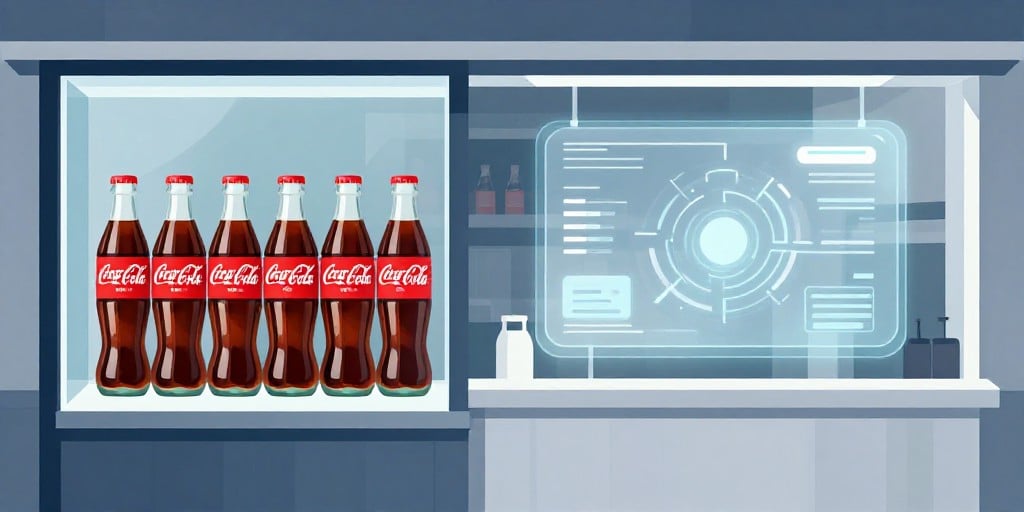
CCEP’s brief share‑price uptick coincides with the company’s ongoing €1 billion share‑buyback program, an action that signals confidence in its balance sheet and future cash‑flow generation. In an era where digital channels and physical touchpoints are increasingly intertwined, the beverage industry must navigate a hybrid retail ecosystem:
| Trend | Consumer Implication | Business Opportunity |
|---|---|---|
| Omni‑channel engagement | Shoppers expect seamless experiences across online and in‑store channels | Retailers can invest in AI‑driven inventory management and real‑time price optimization. |
| Experience‑centric retail | Generation Z and Millennials prioritize memorable in‑store moments | Branded pop‑ups, immersive displays, and data‑rich loyalty programs can boost foot traffic. |
| Sustainable purchasing | Climate‑conscious consumers favor brands with transparent supply chains | Transparent sourcing data and eco‑friendly packaging can differentiate products. |
For CCEP, integrating advanced analytics into its distribution networks can improve demand forecasting across the 31 countries it serves. This digital‑physical convergence also allows the company to test limited‑edition flavors or region‑specific marketing campaigns in brick‑and‑mortar settings, gathering immediate consumer feedback to refine digital marketing strategies.
2. Generational Spending Patterns and the Evolution of Consumer Experiences
The generational profile of consumers is shifting. Generation Z (born 1997‑2012) and Millennials (born 1981‑1996) now command a sizeable share of discretionary spending, and their expectations shape retail and brand strategies. Key patterns include:
- Preference for authenticity: Brands that demonstrate real values and social responsibility resonate more strongly.
- Digital-first discovery: Social media influencers, short‑form video, and virtual try‑ons accelerate product awareness.
- Experiential value: Purchases are often tied to a broader lifestyle experience rather than pure functionality.
CCEP can capitalize on these trends by:
- Co‑creating products with influencers: Limited‑edition drinks tied to lifestyle celebrities can drive both online buzz and in‑store sales.
- Leveraging AR/VR experiences: Virtual tours of bottling plants or interactive flavor‑creation apps can deepen brand engagement.
- Offering subscription models: Bundled beverage plans tailored to household consumption patterns can lock in repeat sales while providing data on consumption habits.
3. The Role of Corporate Governance and Cross‑Sector Collaboration
CCEP’s appointment of Laurence Debroux to Royal Philips’ supervisory board underscores the growing importance of cross‑sector collaboration and strong governance for sustaining competitive advantage. Debroux’s role as chair of Philips’ audit committee signals a focus on risk management and compliance—critical factors as companies navigate complex regulatory environments across the EU.
While the move does not directly affect CCEP’s day‑to‑day operations, it illustrates a broader trend:
- Inter‑industry board placements: Executives increasingly bring expertise from adjacent sectors (e.g., health tech, consumer goods) to foster innovation.
- Governance as a differentiator: Robust audit committees can accelerate strategic initiatives, such as digital transformation projects or sustainability reporting.
For investors and analysts, such governance moves can be a proxy for a firm’s commitment to long‑term value creation, especially in rapidly evolving consumer markets.
4. Forward‑Looking Analysis: Market Opportunities Derived from Societal Shifts
| Societal Change | Market Opportunity | Strategic Recommendation |
|---|---|---|
| Urbanization and smaller living spaces | Demand for convenient, single‑serve packaging | Expand line of eco‑friendly, recyclable single‑serve units. |
| Rise of health consciousness | Growth in low‑sugar, functional beverages | Develop probiotic‑infused or fortified drink lines. |
| Digital natives’ desire for personalization | Customizable flavors and packaging | Offer digital kiosks in stores for on‑the‑spot flavor customization. |
| Sustainability mandates | Circular economy initiatives | Partner with recycling firms to collect and repurpose packaging. |
By aligning product portfolios with these societal currents, CCEP can transform potential consumer anxieties—such as sustainability concerns—into tangible revenue streams. Moreover, the company’s established distribution network across 31 countries positions it favorably to roll out region‑specific innovations without incurring prohibitive logistical costs.
5. Conclusion
The modest lift in CCEP’s share price, set against a backdrop of cautious European markets, signals a resilient consumer staples sector that is adept at navigating the intersection of digital innovation and physical retail. As lifestyle trends, demographic shifts, and cultural movements converge to redefine consumer expectations, companies that integrate omni‑channel experiences, capitalize on generational spending patterns, and maintain robust corporate governance stand to reap significant market rewards. For stakeholders in the consumer sector, these dynamics underscore the importance of agility, data‑driven decision‑making, and cross‑sector collaboration in turning societal change into commercial opportunity.