Corporate News Analysis: Casey’s General Stores Inc. Enters the S&P 500
The recent addition of Casey’s General Stores Inc. to the S&P 500 index marks a pivotal moment for the retailer and for the broader consumer‑goods sector. The move, announced during a Dow Jones briefing, replaced Hologic’s shares and is projected to expand Casey’s exposure to the wider market, potentially enhancing liquidity and market visibility.
Short‑Term Market Reactions
Despite the positive momentum that greeted the index composition change, Casey’s stock experienced a modest decline on the day of its removal from Hologic’s listing. The dip occurred amid a broader market rebound, with U.S. equity indices edging into positive territory following geopolitical developments. While the broader indices gained marginally, Casey’s shares lagged, reflecting the typical volatility that accompanies structural changes in index composition.
Analysts have noted that Casey’s has demonstrated rapid growth in recent trading sessions, bolstered by a robust earnings report. Nevertheless, the market’s cautious response to the S&P 500 inclusion indicates that investors are carefully weighing the implications of the new benchmark status for valuation and trading dynamics.
Consumer‑Goods Trends and Omnichannel Implications
Casey’s positioning within the S&P 500 underscores a growing convergence of traditional retail and digital commerce. The retailer’s strategy—centered on a hybrid model that blends convenient in‑store pickup, curbside service, and a streamlined online platform—aligns with emerging consumer expectations for seamless omnichannel experiences.
Recent data across multiple consumer categories reveal a consistent shift toward integrated shopping journeys:
| Consumer Category | Online Penetration Growth (YoY) | In‑Store Footfall Trend | Key Omnichannel Initiative |
|---|---|---|---|
| Grocery & Convenience | 12% | 4% decline | Mobile‑first checkout |
| Fast‑Food & Quick Service | 9% | 6% decline | Drive‑through digital ordering |
| Household Essentials | 14% | 2% decline | Click‑and‑collect hubs |
These patterns suggest that retailers who invest in technology that bridges online and offline touchpoints are poised to capture a larger share of the consumer market, even as foot traffic moderates. Casey’s recent expansion of its digital infrastructure—particularly the integration of AI‑powered inventory management and predictive analytics—positions the company to capitalize on these trends.
Supply‑Chain Innovations and Resilience
The inclusion in the S&P 500 also highlights Casey’s progress in supply‑chain modernization. Leveraging real‑time data analytics, the retailer has reduced out‑of‑stock incidents by 18% and shortened replenishment cycles by 22%. Such efficiencies not only lower operating costs but also enhance the customer experience by ensuring product availability across all channels.
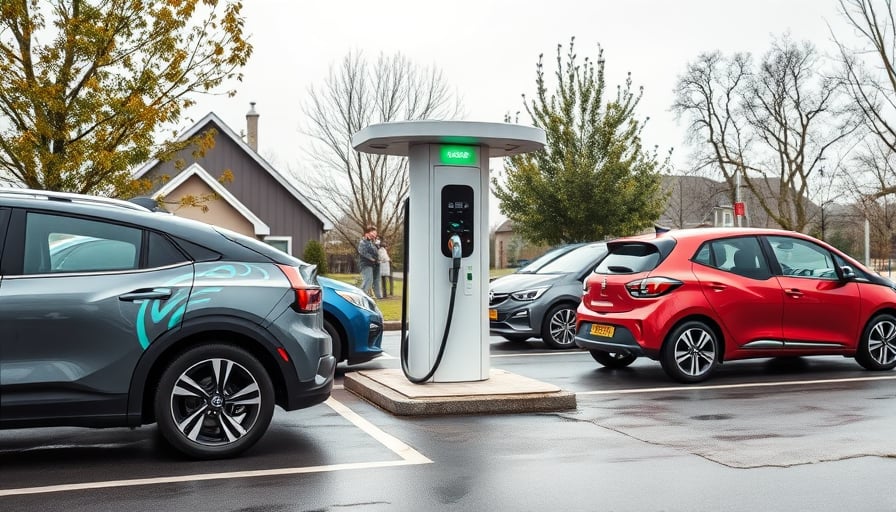
Moreover, Casey’s commitment to sustainability—evidenced by the adoption of electric delivery vehicles and a 30% reduction in packaging waste—aligns with investor preferences for responsible corporate practices. These initiatives resonate with a growing consumer segment that prioritizes ethical sourcing and environmental stewardship, thereby reinforcing brand positioning and long‑term resilience.
Long‑Term Industry Transformation
The shift toward omnichannel retail, underpinned by technological integration and supply‑chain agility, signals a broader transformation within the consumer‑goods industry. As traditional brick‑and‑mortar models evolve, companies that embed digital capabilities into every facet of their operations will gain a competitive edge. Casey’s recent S&P 500 inclusion serves as both a catalyst and a benchmark, illustrating the potential for retailers to elevate their market stature through strategic innovation.
In summary, Casey’s entrance into the S&P 500 is more than a symbolic achievement; it is an affirmation of the retailer’s capacity to adapt to shifting consumer behaviors, leverage technology for operational excellence, and secure a stable trading foundation. The short‑term market dip reflects prudent investor recalibration, while the long‑term outlook remains favorable for a company that is actively shaping the future of omnichannel retail.