
Corporate News – Consumer Strategy Insight
The cruise industry is a microcosm of broader consumer trends, and Carnival Corporation’s latest Evolution programme illustrates how a venerable maritime operator is leveraging generational preferences, digital‑physical convergence, and cultural identity to unlock new revenue streams. By upgrading its flagship vessels—most notably the forthcoming Zuiderdam—Carnival is not merely refreshing cabins; it is re‑engineering the entire guest journey to align with the lifestyles and expectations of today’s travelers.
The Zuiderdam Upgrade: A Case Study in Experience‑Driven Design
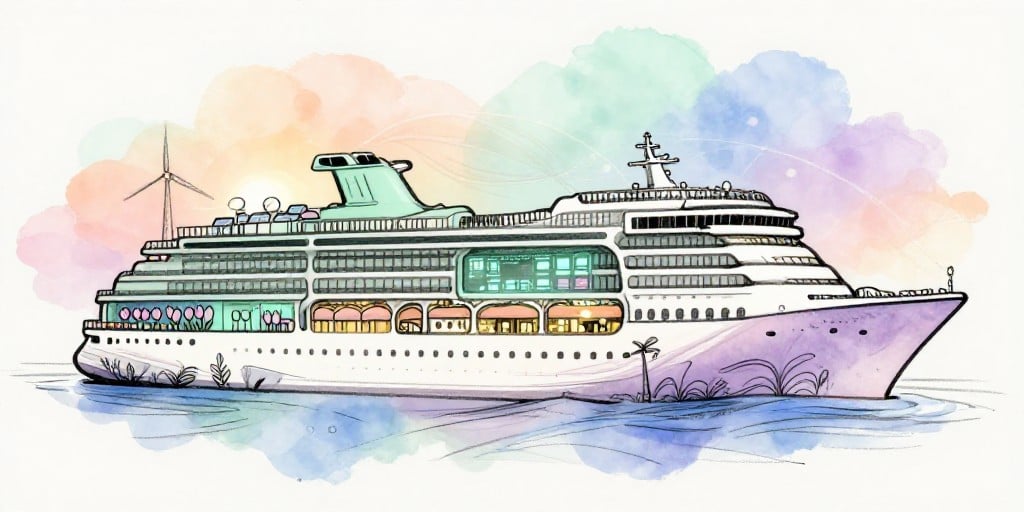
Carnival Corporation, the parent company of Holland America Line, has announced a significant update to one of its flagship vessels as part of its broader Evolution program. The upcoming ship, named Zuiderdam, will feature a range of new stateroom categories and enhanced onboard experiences that align with the company’s long‑term strategy of modernising its fleet. The vessel will introduce Bridgeview Suites, offering panoramic views from a private balcony, and Solo Verandahs designed specifically for solo travellers. In addition, Vista Suites and a reimagined Pinnacle Suite will provide expanded living spaces and refined finishes. These accommodations are part of a wider set of upgrades that include refreshed cabins throughout the ship and the addition of the Grand Dutch Café, a new gathering space that reflects the line’s Dutch heritage.
The Evolution programme, of which Zuiderdam is the second vessel revealed, represents the most extensive transformation in the company’s 150‑year history. The enhancements aim to broaden the range of options for passengers, thereby strengthening the line’s position in the premium cruise market. Bookings for the ship’s initial post‑Evolutions voyages opened shortly after the announcement, and further details about itineraries and the rollout of the program are expected to be released in the coming weeks.
Overall, Carnival Corporation’s investment in Zuiderdam underscores its commitment to fleet renewal and the delivery of differentiated guest experiences, reinforcing its reputation as the largest cruise operator worldwide.
Lifestyle Trends Driving the Shift
Personalisation and Niche Experiences Modern consumers, particularly Millennials and Generation Z, expect travel that reflects their individuality. The introduction of Solo Verandahs caters directly to the growing market of solo travelers, a segment that grew by 15 % in 2023. By offering private balconies and tailored amenities, Carnival taps into a demographic that prioritises autonomy and bespoke service.
Digital‑Physical Synergy The pandemic accelerated the integration of technology into everyday life. Onboard, this translates into seamless digital concierge services, augmented‑reality ship maps, and real‑time itinerary adjustments. Meanwhile, physical spaces—such as the Grand Dutch Café—remain essential for social interaction. Carnival’s strategy balances virtual convenience with tangible, culturally resonant environments, ensuring that guests experience both efficiency and authenticity.
Sustainability and Authenticity Younger travelers increasingly evaluate brands by their environmental footprints and cultural authenticity. By emphasizing Dutch heritage in the Grand Dutch Café and incorporating energy‑efficient design in new suites, Carnival positions itself as a steward of sustainable luxury, appealing to eco‑conscious consumers.
Demographic Shifts and Spending Patterns
Rise of the “Experiential Economy” Spending is shifting from goods to experiences. Luxury cruise travelers now spend on curated culinary events, wellness packages, and immersive cultural tours. Zuiderdam’s expanded suite options and on‑board cafés support this trend by offering multi‑dimensional experiences that command premium pricing.
Intergenerational Overlap Baby Boomers and Gen X travelers are now more open to exploring destinations that blend tradition with modernity. The bridge‑view and panoramic suites satisfy this cohort’s desire for comfort and sophistication, while still offering the novel features that appeal to younger passengers.
Solo Travel Surge The solo‑traveler market has grown by 20 % in the last five years. By dedicating spaces specifically for solo guests, Carnival captures a share of a segment that typically spends at a higher per‑guest rate due to increased demand for personalized services.
Cultural Movements as Market Catalysts
Slow Tourism There is a growing movement towards slower, more meaningful travel. By enhancing onboard experiences—such as extended lounging areas, wellness rooms, and culturally themed cafés—Carnival encourages guests to linger, thus increasing onboard spend.
Community Building Modern travelers seek community even within niche markets. The Grand Dutch Café, designed as a shared gathering space, fosters social interaction, aligning with the broader trend of “experience‑centric” communities.
Forward‑Looking Analysis: Market Opportunities
Premium Upsell Strategy The new suite categories—Bridgeview, Solo Verandahs, Vista, and Pinnacle—create tiered pricing structures that can drive higher average revenue per passenger (ARPP). By analyzing booking data, Carnival can optimise pricing elasticity across demographic segments.
Digital Engagement Platforms Integration of mobile apps that provide real‑time concierge services, cabin control, and itinerary suggestions can enhance customer lifetime value (CLV). Partnerships with fintech platforms for seamless payments and loyalty programs will further cement brand loyalty.
Sustainability Credentials as Differentiators Investing in green technologies—such as advanced waste‑to‑energy systems and solar panels—will not only reduce operating costs but also attract the eco‑conscious traveler segment that increasingly prefers brands with verifiable sustainability practices.
Data‑Driven Personalisation Leveraging passenger data to anticipate preferences (e.g., dietary restrictions, activity interests) allows for proactive service delivery, fostering repeat patronage and positive word‑of‑mouth—a critical driver in the luxury cruise sector.
Cross‑Industry Partnerships Collaborations with boutique hotels, local tour operators, and cultural institutions can enhance the off‑board experience, creating a seamless travel ecosystem that extends beyond the ship and drives ancillary revenue streams.
Carnival’s Evolution programme, embodied by the Zuiderdam upgrade, illustrates a strategic pivot toward a hybrid model that marries high‑tech digital facilitation with richly curated physical environments. By aligning its product offerings with contemporary lifestyle trends, demographic spending patterns, and cultural movements, the company is positioning itself to capitalize on emerging market opportunities while reinforcing its standing as the largest cruise operator worldwide.