
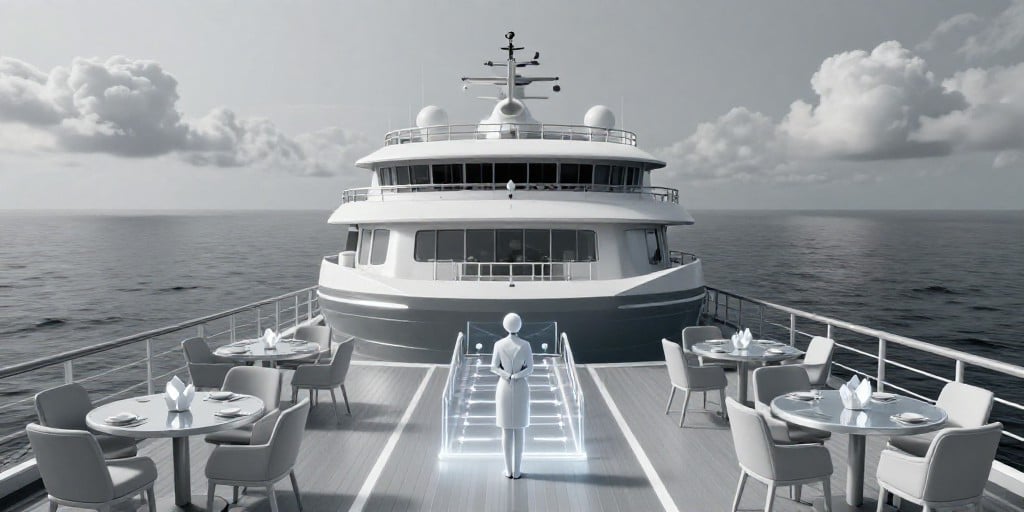
Carnival Corporation Unveils Next‑Generation Ace‑Class Vessel: Carnival Destiny
Carnival Corporation & plc (ticker CCL) announced the launch of its latest flagship, the Carnival Destiny, a new Ace‑class cruise ship set to enter service in the summer of 2029. The ceremony took place at the Monfalcone shipyard in Italy and marked the commencement of construction for what the company describes as the largest vessel in its fleet. The ship is designed to emphasize open‑sea views, offering a range of enhanced guest experiences that reflect contemporary expectations of onboard living.
Strategic Context
Carnival’s leadership highlighted the vessel’s role in perpetuating a legacy of innovation that began with the original Carnival Destiny. The new ship will join the Paradise Collection, serving the Caribbean, Bahamas, and Mexico markets—regions that continue to drive the company’s growth strategy. It is part of a broader expansion plan that includes two additional Ace‑class vessels slated for 2031 and 2033, reinforcing Carnival’s commitment to fleet renewal and capacity expansion.
The announcement follows the company’s statement that its current fleet of 29 ships remains in an active growth phase, with intentions to introduce new Excel‑class and other innovative vessels in the coming years. This aligns with Carnival’s broader objective of maintaining a competitive edge through differentiated guest experiences and operational efficiencies.
Design and Guest Experience
The Carnival Destiny is expected to feature:
- Panoramic staterooms with expansive decks, allowing passengers to enjoy unobstructed sea views.
- Redesigned public spaces that incorporate modern design elements and flexible layouts for social interaction.
- Expanded entertainment and dining options, including specialty restaurants, themed lounges, and experiential venues that cater to diverse demographics.
- Enhanced onboard technology, such as advanced connectivity solutions and AI‑powered concierge services, to meet the expectations of tech‑savvy travelers.
These features underscore Carnival’s strategy of blending traditional hospitality with innovative services, a trend observed across the cruise industry as operators strive to differentiate themselves in a crowded market.
Market Dynamics and Competitive Positioning
The launch of the Carnival Destiny is timely, given the following macro‑economic and industry factors:
| Factor | Relevance to Carnival |
|---|---|
| Resurgence of leisure travel post‑COVID | Increased demand for cruise experiences, especially in the Caribbean and Latin America. |
| Rise of experiential tourism | Guests increasingly seek immersive, high‑quality onboard activities; the new vessel’s amenities address this trend. |
| Competitive pressure from other cruise lines | Sister companies such as Royal Caribbean and Norwegian Cruise Line are investing heavily in next‑gen vessels; Carnival must sustain its market share through innovation. |
| Sustainability expectations | New ships can incorporate advanced environmental technologies (e.g., LNG propulsion, waste‑heat recovery), aligning with global decarbonization goals and investor scrutiny. |
| Labor market dynamics | Emphasis on employee development and training positions Carnival to attract and retain skilled crew, a critical factor as crew shortages emerge in the sector. |
Carnival’s focus on passenger service and employee development aligns with broader corporate trends prioritizing human capital as a driver of operational excellence. The company’s initiatives, such as developing a dedicated destination off the coast of the Bahamas, illustrate a strategic move toward vertical integration of itineraries and onboard experiences.
Financial Implications
While specific financial details of the new ship’s construction have not been disclosed, the investment is part of a broader fleet expansion budget that is expected to be reflected in the company’s capital allocation strategy. Anticipated revenue growth from the expanded itineraries and enhanced onboard spend are projected to offset the capital expenditures over the vessel’s lifecycle. Analysts will be monitoring the company’s earnings releases for updates on the cost structure, expected return on investment, and impact on free‑cash‑flow generation.
Cross‑Sector Connections
The cruise industry’s emphasis on experiential travel is mirrored in the hospitality and tourism sectors, where luxury resorts and boutique hotels are investing in signature amenities. Additionally, the push for sustainable operations in cruise shipping parallels similar initiatives in shipping and aviation, where technology upgrades aim to reduce emissions and improve fuel efficiency. Carnival’s adoption of advanced design and technology in its newest vessel signals a convergence of these industry-wide trends toward sustainability, digitalization, and heightened customer expectations.
Conclusion
Carnival Corporation’s launch of the Carnival Destiny underscores the company’s commitment to innovation and growth in the competitive cruise market. By combining state‑of‑the‑art design, expanded guest experiences, and strategic fleet expansion, Carnival positions itself to capture evolving consumer preferences while maintaining a robust competitive stance amid broader economic and industry shifts.