
Carnival Corporation Launches Construction of Next‑Generation Vessel Carnival Destiny
Carnival Corporation & plc today announced the beginning of construction on its newest ship, Carnival Destiny, the first vessel of a forthcoming next‑generation class. The steel‑cutting ceremony took place at the Fincantieri shipyard in Monfalcone, Italy, and was attended by senior Carnival executives alongside the shipyard’s leadership team.
Design Innovations Focused on Guest Experience
Carnival highlighted several design features that set Destiny apart from its predecessors:
- Expanded Ocean‑View Balcony Cabins: The ship will offer a larger proportion of cabin types with balcony views, directly addressing passenger demand for enhanced visibility of the surrounding sea.
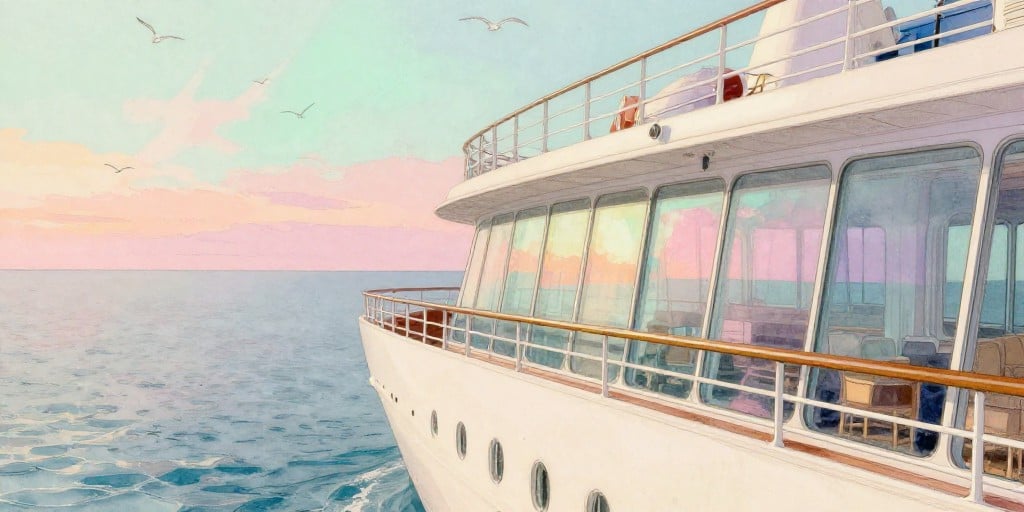
- Extensive Glass Surfaces: A deliberate increase in glass panels throughout the superstructure is intended to provide panoramic sightlines, aiming to elevate the overall guest experience.
- Passenger‑Centric Layouts: The interior configuration is planned to balance comfort and functionality, reflecting current trends in hospitality design that prioritize open spaces and natural lighting.
These initiatives align with Carnival’s broader strategy to continuously improve its fleet’s appeal while maintaining operational efficiency.
Fleet Expansion Timeline and Market Positioning
Carnival outlined a schedule for deploying the next‑generation class:
- Carnival Destiny – Expected to enter service in 2029.
- Subsequent vessels of the class – Planned for entry into service in 2031 and 2033.
This phased approach allows the company to manage capital expenditures, integrate evolving technologies, and respond to market feedback before the full rollout. The new vessel will be integrated into Carnival’s Paradise Collection, which serves Caribbean, Bahamas, and Mexican itineraries—a region that remains a cornerstone of the cruise industry’s growth.
Strategic Implications for the Cruise Sector
From an industry perspective, Carnival’s investment in larger balcony cabins and expansive glasswork demonstrates a clear response to passenger preferences for more natural light and unobstructed views—an area where competitors such as Royal Caribbean and Norwegian Cruise Line also focus. The emphasis on design innovation signals a competitive positioning that balances differentiation with cost‑control, a principle that applies across transportation and hospitality sectors.
Moreover, the timeline for fleet expansion reflects broader economic factors:
- Capital Market Conditions: The 2029‑2033 window coincides with projected improvements in global debt markets, enabling favorable financing terms for large‑scale shipbuilding projects.
- Regulatory Environment: The industry’s shift toward stricter emissions standards necessitates design adaptations for cleaner propulsion systems; the next‑generation class is expected to incorporate such technologies, aligning with global sustainability goals.
- Consumer Demand Trends: Rising consumer expectations for immersive travel experiences are driving an industry-wide pivot toward higher‑quality cabin offerings and experiential amenities.
These dynamics illustrate how Carnival’s strategy intersects with both sector‑specific and macro‑economic forces, positioning the company to capitalize on evolving travel preferences while mitigating regulatory risks.
Conclusion
Carnival Corporation’s steel‑cutting ceremony for Carnival Destiny marks a significant step in the company’s ongoing commitment to fleet expansion and design innovation. By prioritizing guest experience through expanded balcony cabins and extensive glass surfaces, Carnival is aligning its new vessel with contemporary market demands and positioning itself competitively within the global cruise industry. The planned rollout through 2033 reflects a measured approach that balances operational goals with economic realities, thereby reinforcing Carnival’s status as a leading player in the hospitality and leisure sector.