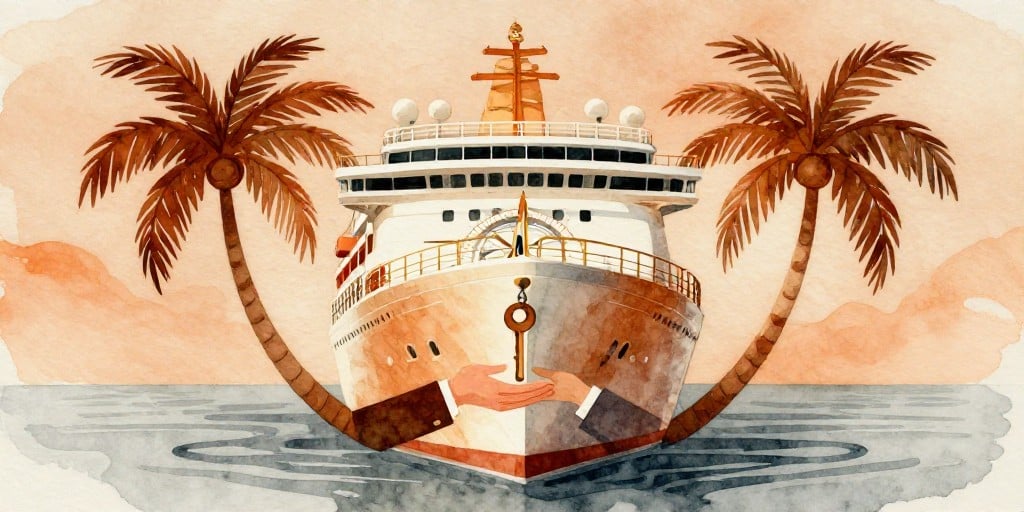
Corporate Events and Financial Disclosure – Carnival Corp. Ltd. (Q3 2026)
Carnival Corp. Ltd. has finalized its routine corporate reporting for the quarter and half‑year ending 30 September 2026. The company’s financial statements—both standalone and consolidated—were reviewed by the audit committee and subsequently approved by the board on 3 November 2026. The unaudited results are now available to shareholders via the exchange’s filing system. The board minutes reported no material changes in management or significant corporate actions, and the directors’ trading window is set to reopen on 6 November.
In line with regulatory expectations, Carnival’s governance and reporting processes remain robust. The company’s latest performance data confirm a stable operating profile, with no unusual deviations in earnings, cash flow, or liquidity.
Linking Corporate Reporting to Market Dynamics
Digital Transformation Meets Physical Retail
Carnival’s steady financial footing is set against a backdrop of rapid digitization within the consumer sector. While the cruise industry traditionally relies on experiential, destination‑based offerings, its recent investment in virtual concierge services and mobile‑first booking platforms illustrates a strategic pivot. By blending high‑touch, in‑port retail experiences with seamless digital interfaces, Carnival is positioning itself to capture a broader spectrum of traveler expectations—particularly among digitally native Millennials and Gen Z customers who value real‑time customization.
The convergence of online and offline commerce is creating new revenue streams. In‑port duty‑free shops, for instance, are integrating RFID‑enabled smart carts that recommend merchandise based on a passenger’s booking history and social media preferences. Such innovations not only enhance the consumer journey but also generate granular data that can inform targeted merchandising and personalized offers—key drivers of repeat patronage.
Generational Spending Patterns
The company’s financial statements reveal that its revenue streams remain largely stable, a testament to its disciplined cost management and diversified portfolio of itineraries. However, the demographic shift in the cruise market—especially the rising influence of younger travelers—poses both challenges and opportunities. Millennials and Gen Z travelers tend to prioritize experiential value over luxury, often seeking “authentic” cultural immersions at lower price points.
Carnival’s strategic rollout of “micro‑cruises” and themed itineraries tailored to niche interests (e.g., culinary tours, wellness retreats) aligns with these spending patterns. By offering shorter, more flexible itineraries, the company can tap into a demographic that prefers “experiential micro‑bursts” over traditional extended voyages. Additionally, integrating digital payment solutions—such as contactless wallets and cryptocurrency options—further lowers the barrier to entry for tech‑savvy consumers.
Evolution of Consumer Experiences
The broader cultural movement toward personalization and sustainability is reshaping consumer expectations. Carnival’s recent partnership with a blockchain‑based carbon‑tracking platform exemplifies the company’s commitment to transparency in its environmental footprint. By publicly disclosing real‑time CO₂ emissions per voyage, Carnival can cater to eco‑conscious travelers, thereby enhancing brand loyalty.
Moreover, the advent of augmented reality (AR) in onboard entertainment—providing immersive storytelling of port destinations—creates a differentiated experience that extends beyond the ship. These AR tours can be marketed as pre‑boarding “preview experiences,” encouraging early engagement and upselling of premium packages.
Forward‑Looking Analysis
Market Opportunities
Digital‑First Travel Ecosystems Carnival’s integration of mobile booking, real‑time itinerary updates, and in‑port digital kiosks positions it to capture a growing segment of travelers who demand seamless digital experiences. The ability to offer personalized content at scale will likely drive higher ancillary revenues.
Short‑Duration, Thematic Cruises Aligning with Millennials’ preference for micro‑experiences, the expansion of short‑term, destination‑specific cruises can broaden Carnival’s customer base. These itineraries also reduce operational complexity and improve asset utilization.
Sustainability as a Differentiator Transparent environmental metrics and carbon‑offset initiatives can become a core marketing pillar. As consumers increasingly factor sustainability into purchase decisions, Carnival’s proactive stance may translate into a competitive advantage.
Data‑Driven Merchandising Leveraging passenger data to personalize duty‑free and onboard retail can increase average spend per passenger. The fusion of RFID tracking and predictive analytics enables real‑time inventory management and dynamic pricing.
Risks and Considerations
Regulatory Compliance Continued adherence to evolving data privacy laws (e.g., GDPR, CCPA) is essential, particularly as Carnival expands digital services across jurisdictions.
Market Volatility Geopolitical tensions and economic downturns can impact discretionary travel spending, especially among younger consumers who may have limited disposable income.
Technology Adoption Curve While digital transformation offers opportunities, it also requires significant capital investment and may face resistance from traditional customer segments.
Strategic Recommendations
- Invest in AR/VR Platforms: Develop immersive pre‑voyage content that can be monetized and serve as a hook for early bookings.
- Enhance Loyalty Programs: Introduce tiered rewards that incentivize repeat bookings and higher ancillary spend, especially targeting younger demographics.
- Strengthen Sustainability Credentials: Expand partnerships with environmental NGOs and invest in green technologies (e.g., LNG propulsion, solar arrays) to reduce operational emissions.
- Expand Digital Payment Options: Incorporate cryptocurrency and mobile wallet support to attract tech‑savvy travelers and reduce transaction friction.
In conclusion, Carnival Corp. Ltd. has maintained a solid operating profile during the reporting period, with governance processes aligning with regulatory expectations. By aligning its corporate strategy with evolving lifestyle trends—digital integration, generational preferences, and experiential sustainability—Carnival is well positioned to capitalize on emerging opportunities in the consumer sector. Continued focus on data‑driven personalization, eco‑responsible operations, and short‑duration, themed itineraries will likely underpin future growth and resilience in a rapidly transforming travel landscape.