
Corporate News – In‑Depth Analysis
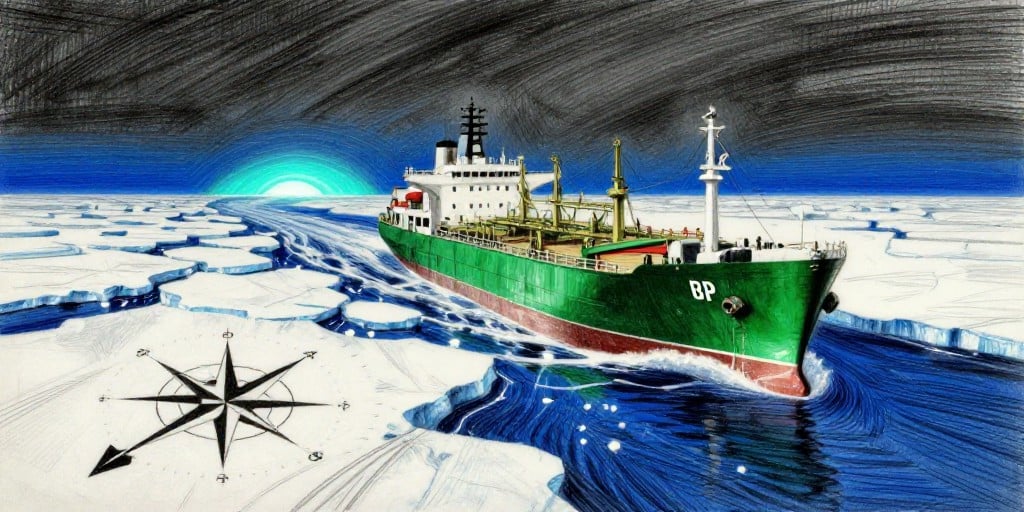
BP plc’s recent mention in the inaugural loading of crude oil from Russia’s Vostok project signals a subtle yet potentially transformative shift in the company’s strategic posture. While the event itself—severing the first shipment of Vostok crude via the Northern Sea Route (NSR) from Sever Bay—may seem routine, a closer look reveals a convergence of underlying business fundamentals, regulatory dynamics, and competitive forces that could reshape BP’s risk‑return profile.
1. Operational Milestone with Strategic Significance
The Vostok field, located in the Barents Sea, is a high‑quality, low‑sulfur asset that aligns with BP’s portfolio objectives of sourcing premium crude to feed its refining network. By facilitating the first NSR shipment, the Russian operator demonstrates logistical readiness to move large volumes of oil directly to European markets, bypassing traditional transit chokepoints such as the Strait of Hormuz or the Panama Canal.
From BP’s perspective, participation in this inaugural shipment could:
- Validate the reliability of Arctic shipping lanes, which have long been considered high‑risk due to ice cover, limited port infrastructure, and geopolitical uncertainty.
- Provide early access to a new distribution channel that may become increasingly critical as global energy demand recovers post‑pandemic and as European nations seek diversified supply routes to mitigate geopolitical tensions in the Middle East.
2. Regulatory and Geopolitical Landscape
2.1 Russian Regulatory Framework
Russia’s oil and gas industry remains tightly controlled by state actors, with the Federal Agency for Oil and Gas and the Ministry of Energy setting licensing and environmental guidelines. The Vostok project’s progress indicates Russia’s willingness to open certain Arctic assets to foreign collaboration, albeit within a framework that emphasizes strategic control. BP’s potential partnership with the project’s leadership, coupled with former CEO Bob Dudley’s involvement, suggests an attempt to navigate this environment through high‑level diplomatic engagement rather than purely commercial channels.
2.2 International Sanctions and Compliance
The U.S. and EU have imposed sanctions on Russian oil companies and certain sectors of the Russian economy. BP, a U.S.‑listed entity, must therefore conduct rigorous compliance checks before any direct investment or partnership. The mention of a former executive as a potential liaison points to a cautious, yet proactive, approach to leveraging personal networks to mitigate sanction risks.
3. Competitive Dynamics and Market Positioning
3.1 Rival Players in the Arctic
Other majors—such as Royal Dutch Shell, TotalEnergies, and Chevron—have also shown interest in Arctic developments. BP’s engagement with Vostok offers a competitive advantage if it can secure favorable terms on crude pricing or supply volumes. However, the company faces competition from:
- State‑backed entities: Russian companies can leverage domestic subsidies and preferential regulations, potentially undercutting price levels for foreign partners.
- Alternative supply routes: The Gulf of Mexico and the West Africa region remain lower‑risk suppliers for many European refineries.
3.2 Emerging Market Expansion
BP’s broader strategy of expanding presence in emerging markets aligns with the Vostok venture. The NSR could serve as a conduit for delivering Russian crude to Asian markets, offering BP a dual‑legged position that spans both European and Asian demand centers. The company’s balanced approach to risk and opportunity is evident in its continued monitoring of the Russian oil sector without committing to further operational updates—a prudent stance in an environment of high geopolitical volatility.
4. Financial Implications and Risk Assessment
4.1 Cost Structure
Arctic shipping incurs higher costs due to icebreaker chartering, specialized vessel requirements, and limited port infrastructure. While the premium price of high‑quality Vostok crude may offset these expenses, BP must consider the potential volatility in shipping costs as climate change affects ice patterns and as international shipping regulations evolve.
4.2 Revenue Forecasting
If BP secures a supply agreement, the company could lock in a stable revenue stream from the Vostok field. Historical data from similar Arctic projects suggest a breakeven point at a crude price of approximately $70 per barrel, factoring in production, logistics, and regulatory compliance costs. Any decline below this threshold could erode profitability, especially if sanctions or geopolitical tensions increase operational constraints.
4.3 Regulatory Compliance Costs
Meeting U.S. and EU sanction requirements may entail additional due diligence, monitoring, and legal fees. Moreover, the risk of inadvertent sanction breaches could trigger significant penalties and reputational damage, warranting a robust compliance framework.
5. Uncovered Trends and Opportunities
- Climate‑Driven Route Viability: Reduced Arctic sea ice in the coming decades could transform the NSR into a permanent, lower‑cost shipping corridor. BP’s early involvement positions the company to capitalize on this emerging logistical advantage.
- Strategic Alliances: The involvement of former CEO Bob Dudley suggests that BP may pursue strategic alliances beyond conventional commercial agreements—potentially including joint ventures, technology exchanges, or shared risk models that could unlock new value chains.
- Regulatory Harmonization: As Russia seeks to modernize its regulatory environment to attract foreign investment, BP could benefit from early participation in shaping standards that align with international best practices, thereby reducing future compliance friction.
6. Potential Risks That Others May Overlook
- Geopolitical Shockwaves: A sudden escalation in Russo‑Western tensions could prompt swift sanction tightening, exposing BP to exposure on frozen assets or supply disruptions.
- Infrastructure Bottlenecks: Limited Arctic port capacity may lead to congestion and delay deliveries, affecting cash flow and contract performance.
- Environmental Liability: Oil spills in fragile Arctic ecosystems could trigger costly remediation and legal liabilities, especially under increasingly stringent environmental regulations.
7. Conclusion
BP plc’s engagement with Russia’s Vostok oil project and the Northern Sea Route is more than a logistical footnote—it is a strategic gamble that balances high‑quality asset acquisition with the inherent uncertainties of Arctic operations and geopolitical dynamics. While the company’s measured approach and focus on emerging markets reflect a prudent risk appetite, the potential rewards—access to premium crude, diversification of supply routes, and early positioning in a transforming maritime corridor—justify a deeper investigation. Stakeholders should monitor BP’s subsequent disclosures and contractual developments closely, as the unfolding of this venture will likely serve as a barometer for the broader sector’s willingness to navigate the complex interplay of geography, regulation, and market forces in the 21st‑century energy landscape.