
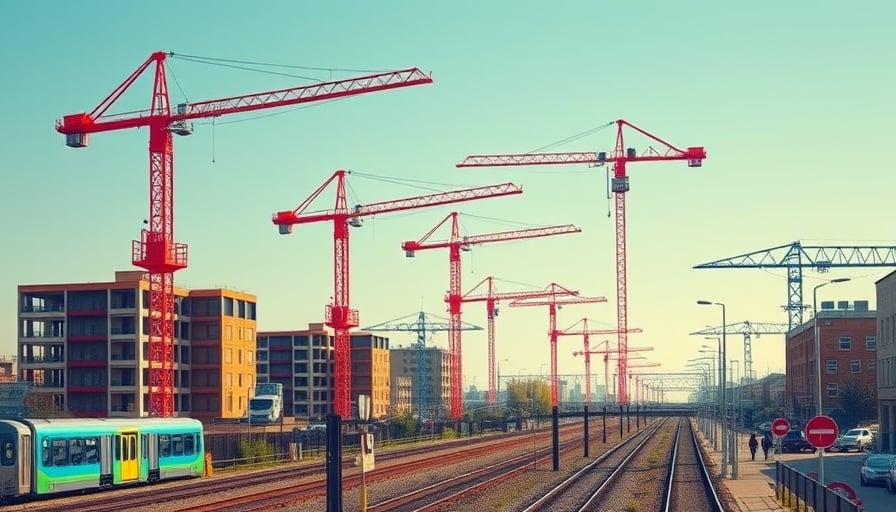
Corporate News – Bouygues SA Secures Major Engineering Contract for Sweden’s Ostlänken Railway Project
Bouygues SA, the French multinational construction and engineering conglomerate listed on the NYSE Euronext Paris, has secured a substantial engineering contract as part of Sweden’s Ostlänken railway expansion. The contract, awarded by the Swedish transport authority on 13 February, covers a significant portion of the new double‑track railway that is part of the country’s extensive 16‑million‑mile infrastructure programme. The project is strategically aimed at improving traffic flow from Järna and serves as a critical component of Sweden’s national transportation strategy.
Contract Context and Scope
The Ostlänken railway is an ambitious national infrastructure initiative designed to enhance connectivity across several key regions. By adding a second track, the project seeks to increase capacity, reduce congestion, and improve safety standards for both freight and passenger services. Bouygues’ contract specifically involves large‑scale engineering works for a stretch of this new double‑track corridor, placing the firm in partnership with other major international contractors such as Hochtief.
The scope of the contract includes:
- Design and construction of trackbed foundations and associated civil‑engineering works.
- Installation of signalling and communication systems to meet modern safety requirements.
- Integration with existing transport nodes to ensure seamless operational continuity.
- Implementation of environmental mitigation measures in compliance with Swedish regulations.
Strategic Implications for Bouygues
Securing this contract reinforces Bouygues’ strategic positioning within the global construction and engineering sector. The company’s involvement in a high‑profile railway project underscores its capability to deliver complex, large‑scale infrastructure solutions that meet stringent technical and regulatory standards. It also signals the firm’s continued focus on transportation and civil‑engineering works, which have historically been core drivers of its growth.
From a financial perspective, while specific revenue figures for the contract were not disclosed, such large‑scale projects typically provide a stable cash‑flow stream over the contract life, contributing to the company’s long‑term earnings profile. The partnership with competitors like Hochtief indicates a collaborative approach that can mitigate risk and foster knowledge sharing across the sector.
Industry and Economic Context
The railway expansion aligns with broader European trends toward sustainable mobility and low‑carbon transport solutions. Governments across the continent are investing heavily in rail infrastructure to reduce reliance on road transport, curb emissions, and promote economic resilience. Bouygues’ participation in the Ostlänken project places it at the intersection of these macroeconomic forces.
Key drivers for the construction and engineering industry in this context include:
- Government Infrastructure Spending: Increased public investment in transport and energy infrastructure is a direct source of demand for construction firms.
- Technological Advancements: Adoption of digital twin modeling, modular construction, and advanced materials enhances project delivery efficiency.
- Regulatory Focus on Sustainability: Environmental standards and carbon‑neutral commitments are shaping project specifications and construction methodologies.
- Geopolitical Stability and Trade Relations: Stable trade dynamics within the EU reduce supply‑chain disruptions, enabling smoother project execution.
Comparative Analysis Across Sectors
While the railway sector remains distinct, its dynamics mirror those found in other infrastructure domains such as renewable energy and urban transit systems. In each case, successful execution hinges on:
- Integrated Project Delivery: Collaborative frameworks that involve engineering, procurement, and construction stakeholders from early stages.
- Risk Management: Identification and mitigation of financial, operational, and environmental risks.
- Talent and Workforce Development: Ensuring that skilled labor and technical expertise are available to meet evolving project demands.
Bouygues’ track record in delivering complex civil‑engineering projects across Europe demonstrates its adaptability to these cross‑sector demands. The company’s ability to scale operations and manage diverse portfolios is a testament to its robust organizational architecture.
Outlook
While no additional financial data for Bouygues’ current fiscal period were identified, the company’s involvement in the Ostlänken railway project is likely to contribute positively to its upcoming quarterly results. The contract not only expands Bouygues’ project portfolio but also enhances its reputation as a reliable partner for large‑scale transport infrastructure.
Stakeholders observing the construction and engineering sector should note Bouygues’ continued focus on strategic projects that align with national infrastructure goals. The firm’s ability to secure and execute major contracts such as this one underscores its resilience in a competitive, regulation‑heavy industry landscape.