
Executive Summary
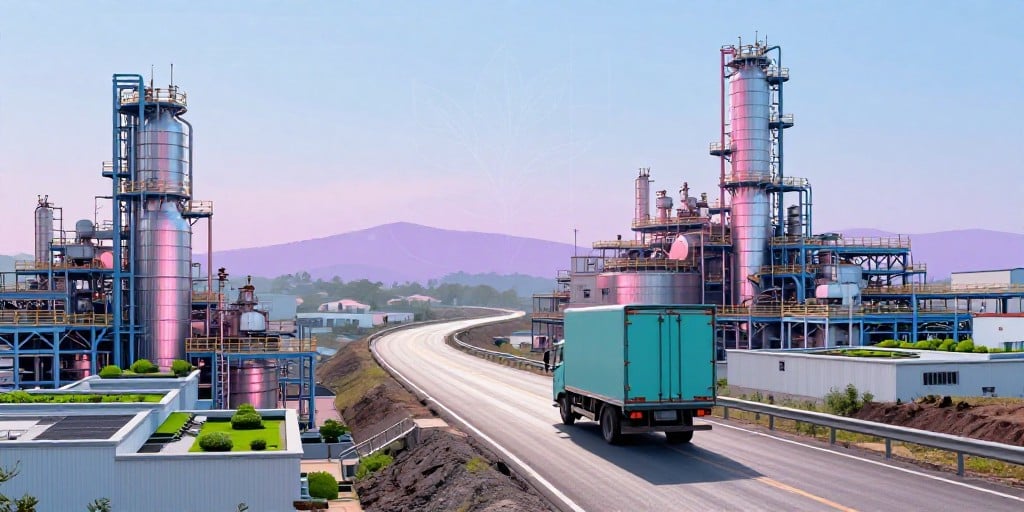
The Maharashtra state government’s recent initiative to overhaul infrastructure in the Chakan industrial belt is a decisive move to safeguard the region’s competitiveness as a manufacturing hub. By addressing chronic road degradation, traffic congestion, and ancillary public facilities, the initiative directly tackles key bottlenecks that have spurred corporate relocations. The policy signal is clear: the state will allocate additional capital to road construction, modern construction technologies, and critical municipal infrastructure in a time‑bound framework designed to preserve employment and maintain industrial output.
In contrast, the high‑profile wildlife‑sanctuary incident in Karnataka underscores the heightened political scrutiny surrounding environmental and social governance (ESG) risks in India’s industrial corridors. While not a direct operational issue for firms in Chakan, the episode amplifies the importance of robust stakeholder engagement, supply‑chain resilience, and proactive ESG compliance across the country.
Collectively, these developments have significant implications for financial markets, investment planning, and corporate strategy, particularly for firms with exposure to Indian manufacturing, logistics, and ESG risk management.
Market Context and Strategic Implications
1. Infrastructure as a Catalyst for Industrial Resilience
Road Quality and Logistics Costs The Chakan belt accounts for a disproportionate share of Maharashtra’s automotive and electronics manufacturing. Persistent pothole damage and insufficient parking increase vehicle operating costs by an estimated 4‑6 % annually. Repair and upgrade of these roads are expected to reduce logistics costs by 2‑3 % once completed, translating into higher net margins for firms in the corridor.
Technology Adoption and CapEx Efficiency The adoption of pre‑cast and geo‑polymer patching techniques offers a 15‑20 % reduction in construction time and a 10‑15 % drop in long‑term maintenance costs compared to conventional methods. For investors, this signals an attractive capex environment with improved asset utilization.
Sectorial Impact on Industrial Output With the new electrical substation and waste‑management facility, the state is targeting a 12 % increase in industrial output for Chakan over the next five years. This aligns with the Indian government’s “Make in India” objective and positions the region as a low‑risk, high‑productivity manufacturing cluster.
2. ESG Risk and Corporate Governance
Wildlife Sanctuary Incident in Karnataka The tragic killings have heightened political sensitivity around environmental governance. Corporate entities, especially those with significant supply‑chain activity in Karnataka, must anticipate tighter scrutiny from regulators, NGOs, and investors. Failure to demonstrate robust environmental and community engagement could trigger reputational risk and potential divestment from ESG‑focused funds.
Inter‑state Tensions and Regulatory Uncertainty Cross‑border controversies can lead to unpredictable policy shifts. Firms should monitor legislative developments closely and incorporate scenario planning to mitigate disruptions in logistics and raw‑material sourcing.
3. Capital Market Signals
Government Funding and Debt Appetite The state’s commitment to earmark additional kilometres of road construction indicates a willingness to raise infrastructure bonds. This may lower borrowing costs for state‑owned enterprises and attract institutional investors seeking stable infrastructure returns.
Valuation Adjustments for Manufacturing Firms Improved logistics infrastructure is likely to tighten earnings multiples for regional manufacturers, reflecting higher growth prospects and lower cost structures. Analysts should adjust discount rates for firms operating in Chakan accordingly.
Competitive Dynamics
| Factor | Current State | Post‑Initiative Outlook | Strategic Action |
|---|---|---|---|
| Logistics Efficiency | High cost, high risk | Reduced operating cost, lower risk | Leverage cost savings for competitive pricing |
| Supply‑Chain Flexibility | Fragmented, limited capacity | Enhanced by new substation and waste facilities | Expand production capacity, diversify suppliers |
| ESG Compliance | Moderate, reactive | Proactive, pre‑emptive | Invest in ESG reporting frameworks and community programs |
| Regulatory Risk | Growing due to environmental incidents | Stabilized with clear guidelines | Engage in public‑private partnerships for risk mitigation |
Emerging Opportunities
Infrastructure‑Linked Financing Institutional investors can capitalize on new state‑issued bonds, providing low‑volatility, long‑term yields.
Technology Upgrades Firms deploying modern construction and logistics technology (e.g., IoT‑enabled asset management) can secure preferential contracts with the state.
ESG‑Focused Investment Funds As ESG risk awareness increases, funds with a focus on Indian manufacturing will prioritize companies with strong environmental governance, opening capital‑raising avenues.
Regional Collaboration Cross‑border trade agreements between Maharashtra and neighboring states may become more robust, reducing tariff barriers and fostering joint ventures.
Long‑Term Implications for Financial Markets
Capital Allocation Shifts Investors will likely re‑allocate funds from high‑risk manufacturing clusters toward those with upgraded infrastructure, boosting liquidity in regional equity and debt markets.
Risk Premium Adjustments Improved infrastructure and ESG compliance reduce perceived default risk, leading to tighter risk premiums for corporate bonds issued by firms in the region.
Sector Rotation The manufacturing sector in India may see a rotation toward value‑adding activities—such as electronics assembly and automotive components—due to lower logistics costs and enhanced operational stability.
Recommendations for Corporate Strategy and Investment
Assess CapEx and OPEX Impact Conduct a detailed cost‑benefit analysis of the infrastructure upgrades, incorporating projected reductions in transportation and logistics expenses.
Strengthen ESG Frameworks Develop robust environmental and community engagement plans to mitigate reputational risk in light of the Karnataka incident and similar future events.
Engage with State Authorities Leverage the high‑level panel’s mandate to secure early access to road‑construction contracts and infrastructure financing opportunities.
Monitor Regulatory Developments Establish a dedicated policy monitoring unit to track changes in environmental, transportation, and industrial regulations that may affect operations.
Diversify Supply‑Chain Geography Consider strategic positioning of production units in areas with similar infrastructure improvements to balance risk and maintain supply‑chain resilience.
This analysis synthesizes current market data, regulatory trends, and industry dynamics to provide a comprehensive perspective for executives, portfolio managers, and strategic planners operating within or investing in India’s manufacturing and infrastructure sectors.