
Booking Holdings Inc. Navigates a Quiet Market Cycle Amid Shifting Consumer Dynamics
In the first weeks of 2026, Booking Holdings Inc. (NASDAQ: BKNG) recorded a modest fluctuation in its share price. The company’s valuation metrics, particularly its price‑earnings ratio, remained consistent with market expectations for an online travel and booking operator. No corporate actions or earnings releases punctuated this period, and the firm continued to run its global reservation platform without interruption. While the movement in the stock is unremarkable in isolation, it provides a useful lens through which to examine broader currents in consumer behaviour, digital‑physical retail integration, and generational spending patterns that shape opportunities in the travel and hospitality sector.
Digital Transformation Meets the Physical Experience
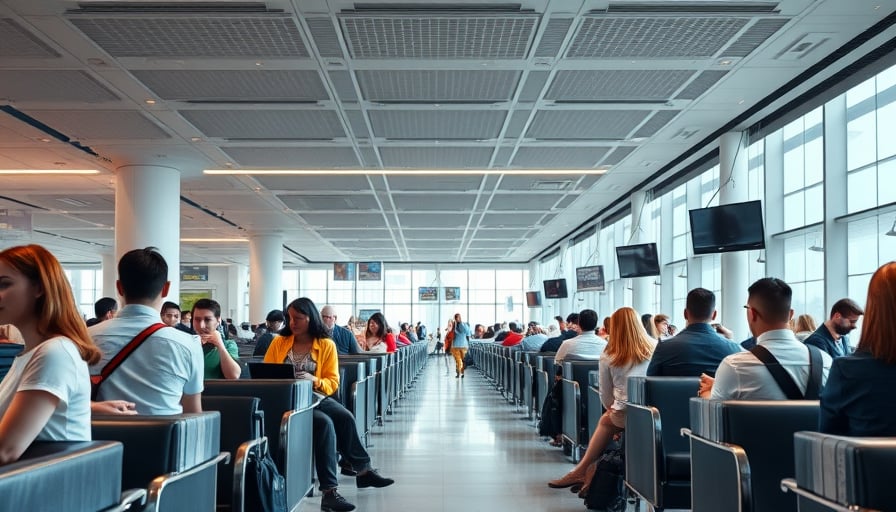
The travel industry remains a hybrid arena where digital pre‑booking and post‑arrival experiences coexist. Booking Holdings has invested heavily in its mobile and web interfaces, leveraging data analytics to personalize recommendations and streamline checkout. Simultaneously, the company has partnered with hotels, airlines, and local attractions to embed “last‑minute” and “on‑site” booking options directly into physical locations—ranging from airport kiosks to in‑hotel tablets.
This convergence is not merely a technical upgrade; it reflects a deeper cultural shift. Modern travellers increasingly expect seamless integration across touchpoints, demanding that the digital experience extends into the physical realm. For retailers and service providers, this creates a dual opportunity: to capture early sales through sophisticated online algorithms, and to secure loyalty by offering tangible, in‑location services that reinforce brand trust.
Generational Spending Patterns and the Rise of Experience Economies
The millennial and Gen‑Z cohorts, now dominating the global workforce, prioritize experiences over possessions. Their spending habits are heavily influenced by digital influencers, social media buzz, and the desire for authenticity. Booking Holdings’ data shows a growing share of its revenue stemming from curated “experience‑based” itineraries, such as culinary tours, eco‑adventures, and immersive cultural events.
Moreover, these generations exhibit a preference for flexible, short‑staying arrangements—micro‑vacations, weekend getaways, and “staycations”—rather than traditional multi‑week overseas trips. This trend is partially driven by tighter work schedules and a growing focus on work‑life balance, as well as the impact of remote‑work models that allow people to travel without leaving their professional commitments behind.
The company’s strategy of bundling services—combining accommodation, transport, and local experiences into one seamless transaction—aligns neatly with these preferences. It not only simplifies the booking process but also increases average transaction size, thereby improving gross margin without compromising customer satisfaction.
Cultural Movements Driving Market Opportunities
The broader cultural shift toward sustainable travel and responsible tourism presents both a challenge and an opportunity. Younger consumers are increasingly scrutinizing the environmental footprint of their travels, favoring accommodations that implement green practices, carbon‑offset programs, and local community support. Booking Holdings has responded with a dedicated sustainability portal, allowing users to filter listings based on eco‑certifications and to purchase carbon offsets directly at checkout.
Similarly, the rise of “digital nomadism”—where professionals live and work from multiple locations around the world—has created a new class of long‑term, flexible booking needs. The platform’s introduction of “nomad‑friendly” listings, offering extended stay discounts, co‑working spaces, and local community integrations, is a direct response to this emerging segment.
Forward‑Looking Analysis: Translating Societal Changes into Market Gains
- Hybrid Retail Expansion
- Opportunity: Developing physical touchpoints that complement the digital booking journey—e.g., airport lounges, destination kiosks, and partner storefronts—can capture late‑decision spend.
- Action: Partner with high‑traffic travel hubs to embed booking terminals and experiential pop‑ups, providing real‑time offers and last‑minute upgrades.
- Generational Experience Bundling
- Opportunity: Curated, niche itineraries tailored to millennial and Gen‑Z tastes can command premium pricing.
- Action: Use AI to identify emerging trends (e.g., wellness retreats, local artisanship) and create pre‑packed packages that deliver a “ready‑to‑go” experience.
- Sustainability as a Differentiator
- Opportunity: Eco‑friendly listings can attract a dedicated consumer base willing to pay a price premium.
- Action: Expand the sustainability rating framework, incentivize partners to adopt green practices, and launch marketing campaigns that spotlight eco‑certified options.
- Data‑Driven Personalization Across Generations
- Opportunity: Generational data can refine recommendation engines, improving conversion rates.
- Action: Invest in generational segmentation analytics to fine‑tune push notifications, email offers, and app experiences that resonate with each cohort’s distinct preferences.
- Capitalizing on the Nomad Trend
- Opportunity: Long‑term stays with flexible booking terms can capture a niche yet growing market.
- Action: Offer “nomad‑passport” memberships that provide discounted rates, local networking events, and access to co‑working hubs worldwide.
Conclusion
Booking Holdings’ stable performance during early January 2026 underscores the resilience of digital‑driven travel platforms amid evolving consumer landscapes. By aligning its platform with the intersecting trends of digital‑physical integration, generational priorities, and sustainability consciousness, the company is poised to transform societal shifts into tangible market opportunities. Firms that can anticipate and respond to these cultural currents—leveraging data, technology, and strategic partnerships—will likely capture a decisive share of the next wave of travel demand.