Boeing Co. Sees Operational Milestones Across Commercial, Space, and Defense Segments
Boeing Co. has announced a series of developments across its commercial, space, and defense businesses that are shaping market sentiment today. The company’s 777‑9 wide‑body aircraft recently cleared a demanding high‑speed ground test at Edwards Air Force Base, an event that regulators view as a key step toward the jet’s planned entry into service next year. Meanwhile, the firm’s Space Launch System core stage performed successfully on the first crewed Artemis flight, reinforcing Boeing’s role in NASA’s lunar program and signalling continued demand for deep‑space launch hardware.
In the defense arena, Boeing secured a substantial maintenance contract for the U.S. Air Force’s T‑38C‑Talon avionics system, a deal that is expected to run through the mid‑2030s. The company’s order backlog has shown signs of recovery, with a significant commercial order from Korean Air for several 777‑9s, 787‑10s and 737‑10s. Analysts note that sustained growth in the backlog will support revenue expectations, though supply‑chain constraints and production bottlenecks remain a concern.
Investor activity shows modest buying from institutional investors, while insider sales have been reported, reflecting normal market dynamics rather than a systematic shift. Rating agencies continue to assign a “buy” or “moderate buy” stance, though recent revisions to price targets by some firms suggest a more conservative view of upside potential. Overall, Boeing’s recent operational milestones and contract wins are viewed as positive drivers for its long‑term prospects, balanced against ongoing production and supply‑chain challenges that could influence short‑term performance.
Commercial Aviation Highlights
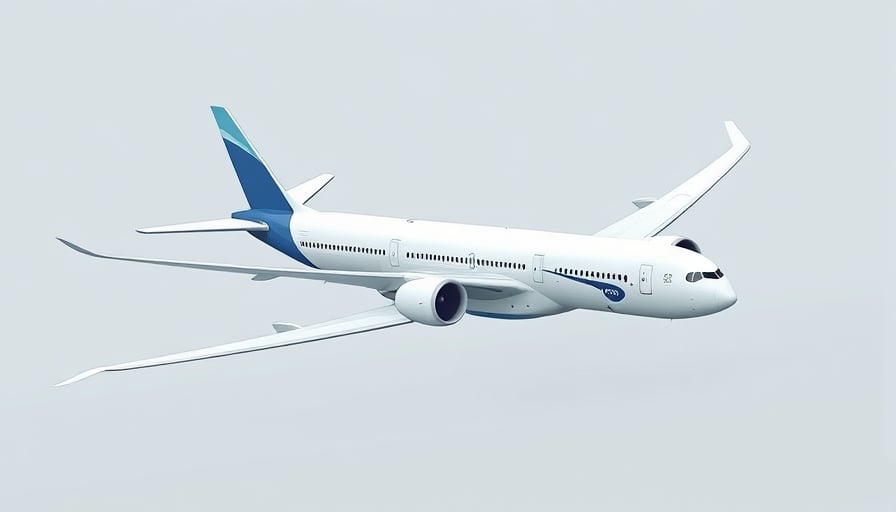
777‑9 Ground Test Success The high‑speed ground test at Edwards Air Force Base demonstrated the aircraft’s capability to meet regulatory requirements for speed and structural integrity. This achievement is a critical milestone on the path to a scheduled entry into service in 2025.
Korean Air Order Korean Air’s substantial order for 777‑9, 787‑10, and 737‑10 aircraft indicates renewed confidence in Boeing’s commercial lineup. The order is expected to lift backlog figures and reinforce revenue forecasts for the 2025‑2027 period.
Supply‑Chain Constraints Despite the positive backlog trajectory, analysts caution that ongoing shortages in key components—particularly advanced composite materials and avionics—could delay production schedules and erode margin profiles.
Space Exploration Success
- Artemis Mission Boeing’s Space Launch System core stage performed flawlessly during the first crewed Artemis flight, a milestone that underscores the company’s capability to deliver reliable heavy‑lift launch vehicles for NASA’s lunar program. The success bolsters Boeing’s reputation as a prime partner in deep‑space missions and positions it to secure future contracts for lunar and Mars exploration hardware.
Defense Contract Wins
- T‑38C‑Talon Maintenance Deal Securing a long‑term maintenance contract for the U.S. Air Force’s T‑38C‑Talon avionics system extends Boeing’s presence in the defense market through the mid‑2030s. The deal provides a stable revenue stream and reinforces Boeing’s position as a trusted supplier of advanced aerospace systems.
Investor Sentiment and Ratings
Institutional Buying and Insider Activity Institutional investors have shown modest buying activity in Boeing shares, suggesting confidence in the company’s medium‑term outlook. Insider sales, while noteworthy, are viewed as routine market behavior rather than indicative of a systematic shift in corporate sentiment.
Rating Agency Views Credit rating agencies continue to maintain a “buy” or “moderate buy” stance on Boeing. Recent revisions to price targets by some analysts reflect a more conservative view of upside potential, largely due to concerns about production delays and supply‑chain constraints. Nevertheless, the consensus remains that Boeing’s long‑term prospects are supported by its diversified portfolio across commercial, space, and defense sectors.
Broader Economic Context
Boeing’s performance exemplifies the interconnected nature of the aerospace sector with broader economic trends. The company’s commercial aircraft demand is influenced by global travel recovery, while space and defense contracts are tied to national investment in research, development, and strategic defense initiatives. Supply‑chain disruptions, inflationary pressures, and geopolitical tensions continue to exert pressure on cost structures and production timelines.
Conclusion
Boeing Co. has achieved key operational milestones that reinforce its market position across multiple aerospace domains. While supply‑chain constraints and production challenges remain a concern for short‑term performance, the company’s recent contract wins, strong backlog growth, and successful test outcomes suggest a solid foundation for long‑term prospects. Investors and rating agencies are closely monitoring how Boeing navigates these operational challenges while capitalizing on opportunities in commercial aviation, space exploration, and defense support services.