
BMW Embraces a Software‑Centric Electrified Future
BMW AG has announced a strategic pivot toward software‑driven electrified vehicles, underscoring the company’s commitment to sustaining the brand’s renowned “joy of driving” in the context of the growing electric mobility landscape. Central to this initiative is the forthcoming Neue Klasse platform, which promises to integrate advanced software architecture with high‑performance supercomputing capabilities to deliver differentiated driving experiences.
The Neue Klasse Platform: A Convergence of Software and Powertrains
The Neue Klasse is envisioned as a modular foundation for BMW’s next generation of vehicles, with a particular emphasis on electrified powertrains. Unlike conventional platforms that focus primarily on mechanical and structural integration, the Neue Klasse places software at the core of vehicle design. This approach enables:
- Dynamic feature updates: Over‑the‑air updates that can enhance performance, safety, and user experience without requiring physical modifications.
- Personalized driving profiles: Adaptive algorithms that adjust handling, energy consumption, and infotainment settings to individual driver preferences.
- Optimized power management: Real‑time balancing of battery usage, regenerative braking, and motor output for maximal efficiency.
High‑performance supercomputing resources will underpin these capabilities, allowing the vehicle to process vast data streams—from sensor arrays, vehicle dynamics, and external environmental inputs—to make split‑second decisions that enhance safety and performance.
Strategic Partnership with Infineon Technologies
A key component of the Neue Klasse’s software architecture is the partnership with Infineon Technologies AG, a leading semiconductor specialist. Infineon will supply critical chips that support the vehicle’s software‑defined architecture, including:
- Power management ICs: Optimizing energy flow between the battery, electric motors, and auxiliary systems.
- Security processors: Protecting vehicle networks against cyber threats and ensuring data integrity.
- Embedded processors: Handling high‑throughput data processing for advanced driver‑assist systems and infotainment.
This collaboration positions BMW to leverage Infineon’s expertise in automotive-grade semiconductors, thereby reinforcing its technological edge in the competitive electric vehicle (EV) market.
Prototype Showcase: The First Neue Klasse Sedan
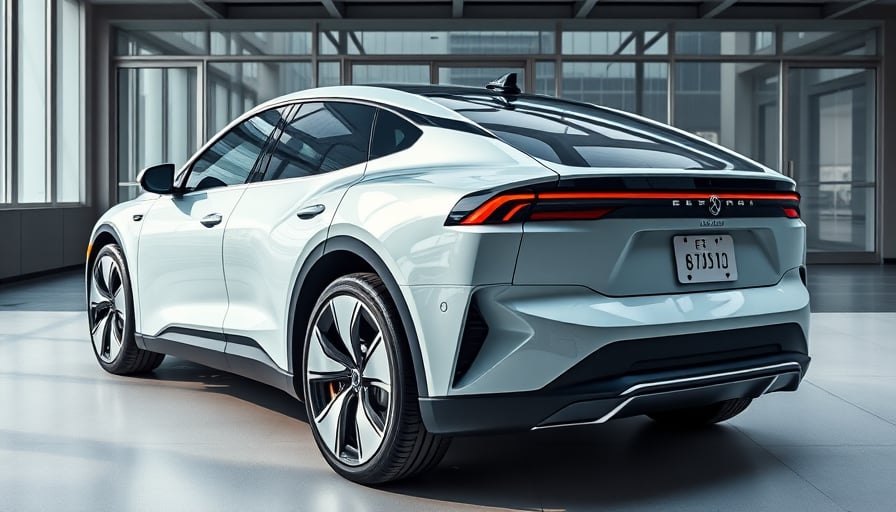
In a recent development, BMW unveiled prototypes of its inaugural sedan built on the Neue Klasse concept. The prototype demonstrates the platform’s potential to support diverse body styles while maintaining a cohesive digital ecosystem. Observers noted:
- Enhanced interior connectivity: Seamless integration of digital displays, haptic feedback, and voice‑activated controls.
- Improved aerodynamic efficiency: Design features that reduce drag and increase range.
- Scalable architecture: Capability to incorporate future technologies such as vehicle‑to‑vehicle (V2V) communication and autonomous driving layers.
While the prototype is still in the testing phase, it signals tangible progress toward commercial product introductions, potentially accelerating BMW’s entry into key market segments dominated by early EV adopters.
Market Implications and Investor Sentiment
BMW’s shares continue to trade on the Xetra exchange, reflecting the broader market’s cautious appraisal of the company’s long‑term strategic direction. Recent investor focus has tilted toward the firm’s technological and strategic initiatives rather than short‑term financial performance. Analysts note:
- Capital Allocation: BMW’s commitment to software and platform development suggests a shift from traditional vehicle manufacturing expenditures to R&D and semiconductor procurement.
- Competitive Positioning: By aligning with a leading semiconductor partner, BMW mitigates supply‑chain risks that have plagued the EV sector, while potentially accelerating feature roll‑outs.
- Long‑Term Value Creation: The Neue Klasse’s modularity could lower cost per vehicle over time and create recurring revenue streams through software services and updates.
These dynamics underscore the importance of viewing BMW’s shift through the lens of fundamental business principles—innovation, risk diversification, and market responsiveness—rather than immediate earnings metrics.
Cross‑Sector Insights and Broader Economic Trends
BMW’s transition illustrates a broader trend across automotive, technology, and semiconductor industries: the convergence of hardware and software as a vehicle for differentiation. Similar patterns are observable in:
- Automotive: Rivals such as Tesla and Volvo are investing heavily in proprietary software stacks to create unique user experiences.
- Technology: Cloud providers are expanding edge‑computing capabilities to support automotive applications, fostering a new ecosystem of data services.
- Semiconductors: Companies like NXP and Qualcomm are targeting automotive segments with specialized chips for connectivity, safety, and AI processing.
Moreover, macroeconomic factors—including tightening regulatory standards for emissions, fluctuating raw material prices, and geopolitical tensions affecting supply chains—highlight the necessity of a resilient, software‑enabled platform that can adapt swiftly to changing conditions.
Conclusion
BMW’s announcement of the Neue Klasse platform and its partnership with Infineon signals a decisive move toward a software‑centric, electrified future. By embedding advanced software architecture and high‑performance computing into its vehicle design, BMW aims to preserve the brand’s legacy of driving pleasure while addressing the demands of an increasingly digital, sustainable mobility landscape. The company’s strategic choices will likely influence competitive dynamics across multiple industries and set new benchmarks for how traditional automakers can evolve in the age of electrification.