Corporate News Analysis: BMW’s Strategic Shift Toward Full Electrification of the 3 Series
Executive Summary
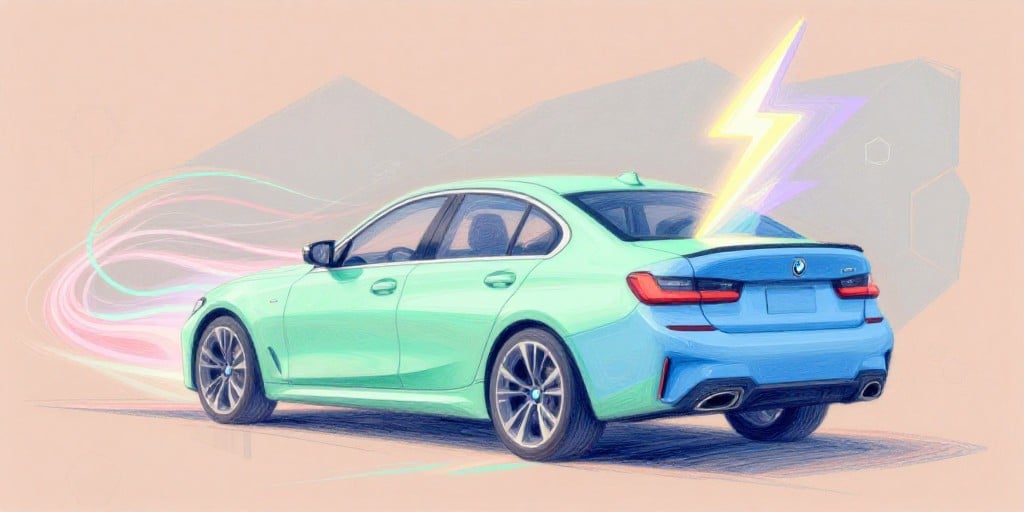
Bayerische Motoren Werke AG (BMW) has formally announced that its forthcoming 3 Series will debut as a fully electric model, designated the i3. This marks a pivotal moment for the brand, which has historically positioned the 3 Series as the flagship sedan of its core lineup. The i3 will be introduced within BMW’s “New Class” segment at the end of September 2026. Although specific pricing and production schedules remain undisclosed, the move underscores BMW’s broader electrification agenda and is expected to reinforce its competitive positioning in the rapidly evolving electric vehicle (EV) marketplace.
Market Context
- Global EV Growth: The global electric vehicle market is projected to grow at a compound annual growth rate (CAGR) of approximately 28 % from 2024 to 2030, driven by regulatory pressure, falling battery costs, and heightened consumer environmental awareness.
- Competitive Landscape: Leading competitors—Volkswagen (ID Series), Mercedes‑Benz (EQ‑Line), and Toyota (beyond‑hybrid and upcoming EVs)—have already introduced electric variants of their flagship sedans, signalling an industry-wide shift toward electrified core models.
- Regulatory Environment: Stringent emissions targets in the EU, China, and the United States—particularly the EU’s 2035 zero‑emission vehicle mandate—exert pressure on premium automakers to accelerate electrification timelines.
Strategic Implications for BMW
- Product Portfolio Expansion
- The i3 expands BMW’s EV offering beyond niche luxury and performance models, aligning the brand with broader market expectations that flagship sedans should also be electrified.
- Positioning the i3 within the “New Class” underscores a commitment to integrating electrified powertrains across all core segments, reducing the company’s dependence on high‑margin performance models.
- Competitive Positioning
- By electrifying the 3 Series, BMW can directly challenge competitors’ flagship sedans (e.g., Volkswagen ID 4, Mercedes‑Benz EQ S) in terms of performance, luxury, and brand heritage.
- The i3 will likely benefit from BMW’s advanced battery technology, known for high energy density and fast‑charging capability, potentially offering a competitive edge in range and convenience.
- Economic and Supply Chain Considerations
- Economies of scale will be achieved by reusing existing 3 Series platforms for battery integration, thereby mitigating development costs.
- BMW’s strategic partnerships with battery suppliers (e.g., Northvolt, CATL) should further reduce material cost volatility and secure supply chain resilience.
- Brand and Customer Perception
- The introduction of an electric flagship sedan signals BMW’s commitment to sustainability, potentially enhancing brand equity among eco‑conscious luxury consumers.
- It also reinforces BMW’s image as a technologically innovative automaker willing to adapt core offerings to contemporary demands.
Cross‑Sector Insights
- Energy Transition Synergies: As the automotive sector decouples from fossil fuels, the automotive industry’s shift mirrors broader trends in the power generation and battery manufacturing sectors, which are experiencing significant investment inflows.
- Digital Services Integration: The rise of connected vehicle platforms and over‑the‑air updates, facilitated by the electrification process, creates synergies with the burgeoning automotive software and data analytics industries.
Risks and Challenges
- Battery Supply Constraints: Global lithium and cobalt demand may outpace supply, potentially impacting production timelines and cost structures.
- Consumer Adoption Rates: While EV adoption is growing, price sensitivity and charging infrastructure gaps remain barriers, particularly in premium segments.
- Technological Uncertainty: Rapid advancements in battery chemistry could render current technologies obsolete, necessitating continual R&D investments.
Conclusion
BMW’s launch of the fully electric i3 3 Series represents a decisive stride toward comprehensive electrification of its core product line. This strategic decision aligns the company with global market dynamics, regulatory imperatives, and evolving consumer expectations. While challenges related to supply chains, pricing, and market penetration persist, the i3 positions BMW to maintain and potentially enhance its competitive edge in the premium electric vehicle arena, simultaneously reinforcing its broader brand narrative of innovation and sustainability.