Corporate News Analysis
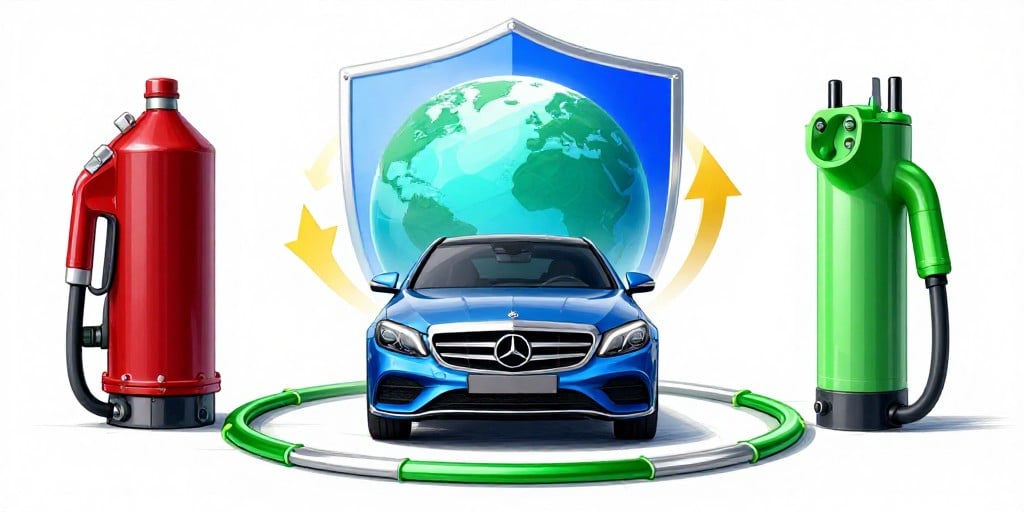
Bayerische Motoren Werke AG (BMW AG) has announced the discontinuation of diesel powertrains for the forthcoming eighth generation of its flagship 3 Series. This decision, confirmed by the company, aligns with a broader industry shift toward more popular combustion‑engine and electrified powertrains. The 3 Series will now be available with a petrol engine, a hybrid, and a plug‑in hybrid variant, while the newly launched i‑3 electric sedan remains part of the lineup.
Strategic Realignment in a Changing Market
The move reflects BMW’s strategic realignment to consolidate its product portfolio in line with evolving consumer preferences and tightening regulatory frameworks. Diesel engines have faced declining demand in many markets due to stringent emissions standards and growing consumer concerns over environmental impact. By phasing out diesel variants, BMW is positioning itself to better meet the demand for low‑emission and fully electric vehicles (EVs).
- Product Consolidation: Eliminating diesel options reduces production complexity, allowing the company to allocate resources toward electrified powertrains and advanced technologies such as battery management systems and charging infrastructure.
- Regulatory Alignment: European Union and U.S. emissions targets, alongside potential future bans on diesel vehicles, necessitate a shift toward cleaner alternatives. BMW’s decision anticipates these regulatory changes and mitigates exposure to non‑compliance penalties.
- Market Demand: Consumer preference is increasingly skewed toward petrol and EV variants, driven by lower operating costs and rising environmental awareness. By offering a petrol engine and hybrid options, BMW caters to a broad customer base while preparing for a full electrification transition.
Financial Implications and Profitability Outlook
During the same week, BMW’s capital‑markets event highlighted a focus on profitability, the China business, and electrification. Analysts noted that the revised outlook for the automotive segment now projects a narrower margin range for the year, reflecting the challenges of maintaining profitability amid the transition to electric vehicles.
- Margin Pressure: EV production involves higher upfront R&D costs and battery supply chain complexities. These factors compress operating margins, especially in the short term.
- Capital Expenditure: Significant investment is required to expand manufacturing capacity for EVs and to secure battery supply agreements. These capital expenditures reduce free cash flow until the EV portfolio matures.
- Revenue Diversification: Despite margin pressures, the expanding electrified portfolio is expected to offset declining diesel sales over the medium term, potentially stabilizing revenue streams as battery technology becomes more cost‑effective.
A bank research firm subsequently reduced its target price for BMW shares, citing a tougher operating environment and the need for further structural measures. Nevertheless, the share price remains close to its 52‑week low, and the firm maintains a “buy” recommendation, underscoring perceived long‑term upside despite short‑term pressure on margins.
Cross‑Sector Implications
The shift away from diesel engines reflects a broader trend across the automotive industry, where manufacturers are re‑evaluating their product lineups in response to:
- Energy Transition: The global push toward decarbonization is accelerating the adoption of EVs across all vehicle categories.
- Supply Chain Dynamics: Semiconductor shortages and battery raw material constraints are prompting manufacturers to streamline production and reduce reliance on complex combustion engine components.
- Regulatory Landscape: Harmonized emission standards across regions (e.g., EU ETS, California’s Zero‑Emission Vehicle mandate) are creating uniform pressure to phase out high‑emission powertrains.
Other sectors, such as heavy‑industry equipment manufacturers and logistics providers, are experiencing similar realignments toward electrified solutions and sustainability‑focused product offerings. This convergence indicates a systemic shift toward environmentally responsible operations, potentially leading to cross‑industry collaborations in battery technology, renewable energy integration, and circular economy initiatives.
Conclusion
BMW’s discontinuation of diesel powertrains in the 3 Series exemplifies a strategic response to regulatory pressures, shifting consumer preferences, and the imperative of electrification. While the transition imposes short‑term margin compression, it positions the company to capitalize on the growing demand for low‑emission vehicles. The broader economic trend toward sustainability across multiple sectors suggests that BMW’s approach aligns with industry‑wide realignment, potentially enhancing its long‑term competitive positioning in a rapidly evolving automotive landscape.