Corporate News Analysis – BMW Group’s Strategic Emphasis on Electrified Platforms at Guangzhou International Motor Show
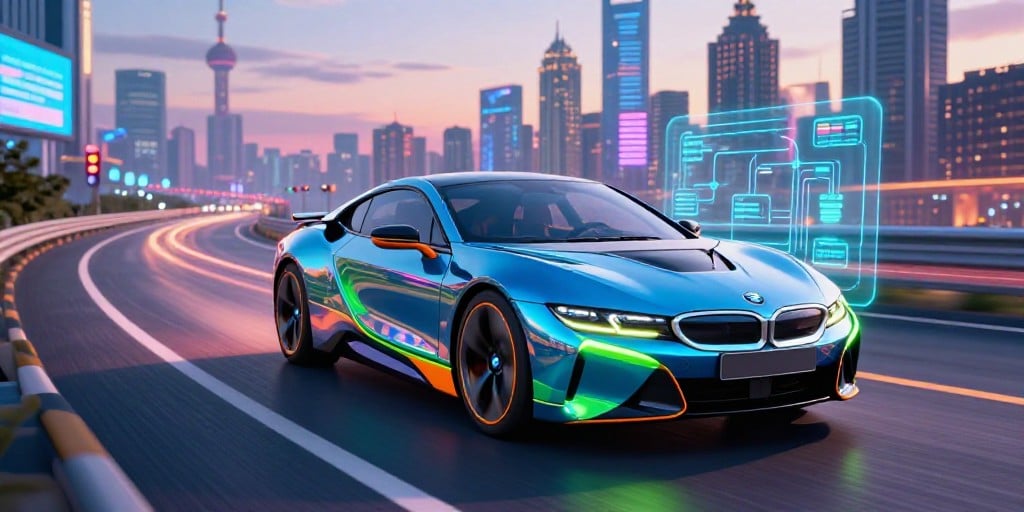
The German automotive manufacturer Bayerische Motoren Werke AG (BMW Group) maintained a prominent presence at the 2026 Guangzhou International Motor Show, deploying a 5.2‑section hall to showcase an array of electric vehicle (EV) models that exemplify the company’s commitment to electrification and digital transformation. This deployment reflects broader shifts in the automotive sector, where high‑frequency model introductions and battery‑electric platforms are becoming decisive competitive differentiators.
Strategic Positioning in a Transforming Market
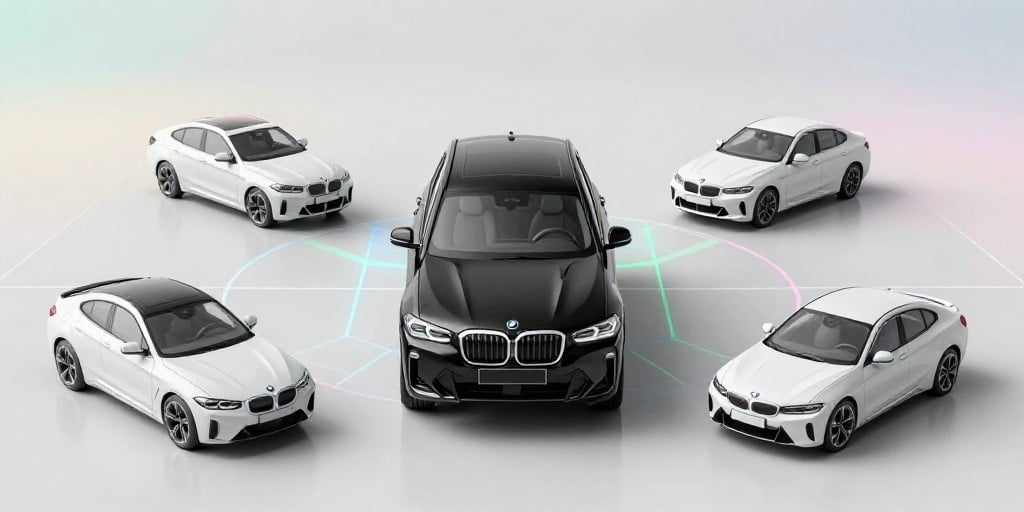
BMW Group’s decision to allocate significant space and resources to its electric portfolio at a major public event signals a deliberate strategy to reinforce its premium brand image while accelerating electrified product deployment. The showcase included new and updated EVs across multiple vehicle segments, underscoring the company’s objective of offering a “comprehensive portfolio” that spans luxury sedans, SUVs, and performance models. By doing so, BMW positions itself to capture market share from both established OEMs and emerging entrants such as Tesla, Rivian, and Lucid.
The event’s emphasis on frequent new‑model introductions aligns with an industry trend where OEMs are increasingly leveraging rapid product cycles to stay relevant in a climate of evolving consumer expectations and tightening regulatory standards. This approach is mirrored in the broader automotive landscape, where manufacturers like Hyundai‑Kia and Volvo have also intensified their EV launch cadence, reflecting a convergence toward agile development practices.
Integration of Advanced Driver Assistance Systems
In addition to electrified powertrains, the Guangzhou showcase highlighted BMW Group’s advances in advanced driver assistance systems (ADAS). The integration of these technologies into a cohesive ecosystem—spanning connected vehicles, over‑the‑air software updates, and data analytics—illustrates the company’s broader vision of a fully integrated digital automotive environment. This strategy not only enhances vehicle safety and convenience but also creates new revenue streams through subscription‑based services and data monetization.
Partner Collaboration and Ecosystem Development
BMW Group’s active role at the show and its collaboration with a network of partners—including battery suppliers, chip manufacturers, and autonomous driving technology firms—demonstrate an ecosystem‑centric approach to innovation. By aligning with partners across the supply chain, the company mitigates risk, reduces development timelines, and capitalizes on specialized expertise. This model is consistent with industry best practices, where OEMs form strategic alliances to accelerate the transition to electrification and autonomy.
Financial Implications and Long‑Term Investment
Recent financial disclosures reveal that BMW Group continues to prioritize long‑term investment in electrification and digital technology. The company’s capital allocation strategy emphasizes research and development, battery procurement, and the expansion of charging infrastructure. These investments are expected to enhance competitiveness, lower the total cost of ownership for consumers, and position BMW favorably amid tightening emission regulations and shifting consumer preferences toward sustainable mobility solutions.
The focus on sustaining visibility through public shows, even as premium‑brand participation has generally diminished, indicates that BMW recognizes the importance of maintaining a robust brand narrative. By showcasing its latest EVs and digital capabilities, the company seeks to reinforce its image as a technology leader, which is increasingly critical in an environment where brand perception can significantly influence purchasing decisions.
Conclusion
BMW Group’s comprehensive showcase at the Guangzhou International Motor Show encapsulates the company’s strategic pivot toward electrification, digital integration, and ecosystem collaboration. By aligning its product development and marketing efforts with industry‑wide trends toward frequent EV introductions, advanced driver assistance systems, and strategic partnerships, BMW is positioning itself to thrive in a market that is becoming increasingly innovation‑driven and competitive. The long‑term investment in technology and digital platforms signals confidence in sustained growth, while the emphasis on maintaining a strong brand presence ensures that the company remains a prominent player in the evolving automotive landscape.